Emerging Field Grant supports childhood cancer research

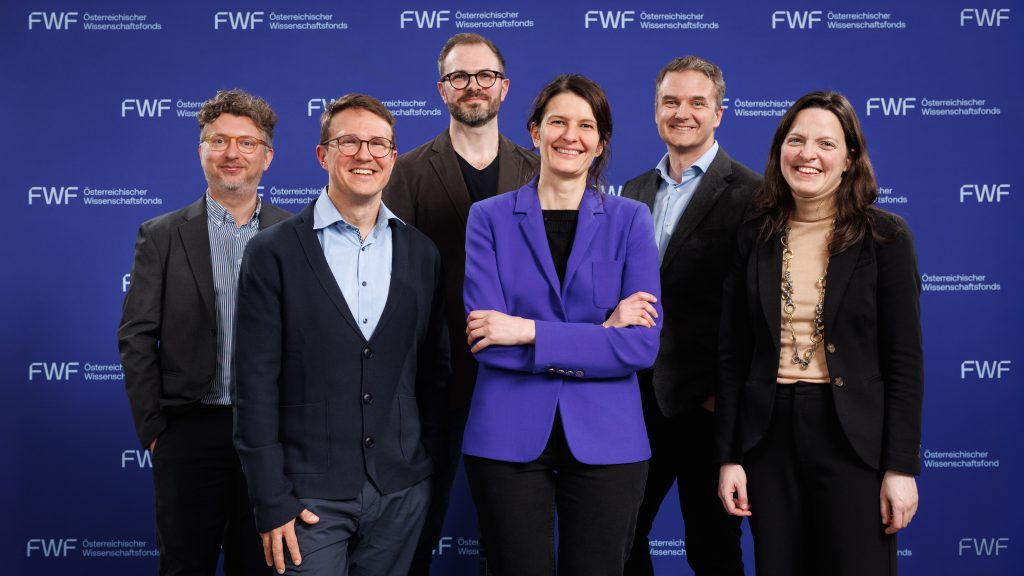
© FWF.

As part of the excellent=austria initiative, the Austrian Science Fund (FWF) is promoting innovative research collaborations in Austria through its Emerging Fields programme. Over the next five years, selected consortia will work to develop new, highly innovative research fields. Following a competitive international review process focusing on scientific excellence and innovation, researchers from St. Anna CCRI are part of the one of the funded consortia.

In Simple Terms
– Ribosomes are the molecular machines that produce proteins in a cell, a process that can be regulated.
– The researchers aim to uncover a hidden “ribosome code” that shapes how ribosomes work in pediatric cancers.
– Understanding how ribosomes behave differently in cancer cells could open new therapeutic possibilities.

Emerging Field “Translating the Ribosome Code of Pediatric Cancers”

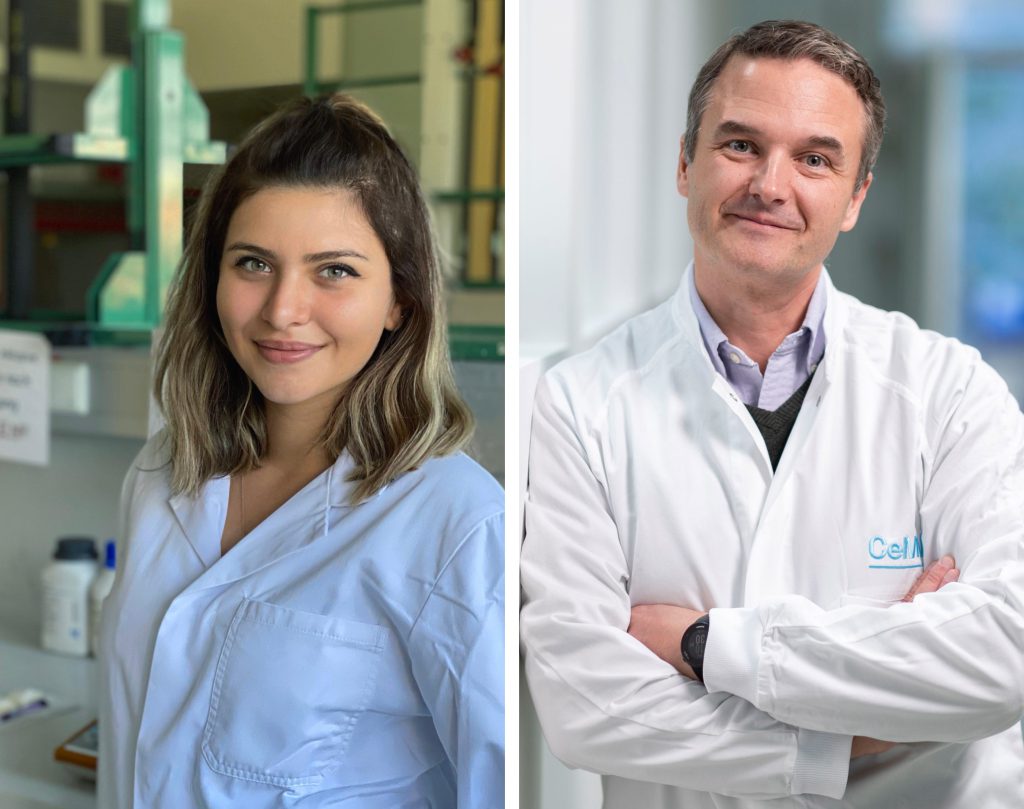
Despite major advances in cancer treatment, many children with cancer still face limited treatment options, severe side effects, or therapy resistance. We urgently need new therapies to treat pediatric cancers. This project explores an overlooked layer of gene regulation: how cells control the production of proteins from RNA. This process is carried out by molecular machines called ribosomes, long thought to be simple factories but now recognized as powerful regulators of protein synthesis that shape how cells behave in health and disease. By studying how ribosomes function in pediatric cancers, the consortium aims to uncover a hidden “ribosome code” that cancer cells use to grow and evade treatment. Decoding this system could transform our understanding of protein production and open new paths toward safer and more effective therapies for children with cancer. The participants in the Emerging Fields Consortium are Sebastian Falk from the Medical University of Vienna, Marco Hein from Max Perutz Labs at the Medical University of Vienna, Florian Grebien from the University of Veterinary Medicine Vienna, and Eleni Tomazou and Davide Seruggia from St. Anna Children’s Cancer Research Institute (St Anna CCRI).

This grant is a wonderful recognition of the power of collaboration in pediatric cancer research. At St. Anna CCRI, our mission is to translate cutting-edge discoveries into better outcomes for children with cancer. We continuously pursue innovative ideas that open new opportunities for more effective and targeted therapies. Being part of this interdisciplinary effort to explore the ribosome code in pediatric cancers together with outstanding partners across Vienna marks an important step toward better understanding and treating cancers affecting children and adolescents,” adds Eleni Tomazou, Scientific Director of St. Anna CCRI.

We are only beginning to understand the role that ribosomes may play in paediatric cancers. If we can decode how this system is altered in tumor cells, it could open up entirely new avenues for cancer research and ultimately help us to develop more effective treatments for children with cancer.” says Davide Seruggia, Principal Investigator at St. Anna CCRI.

Supporting ground-breaking science

The research project is supported by the Emerging Fields program, part of the Austrian Science Funds’ excellent=austria initiative, which promotes innovative research collaborations in Austria. As Minister of Science, it is of paramount importance to me that cutting-edge research always opens up new avenues of thought. With the funding of Emerging Fields, we aim to achieve precisely that: We want to enable highly innovative, pioneering scientific work that transcends disciplinary boundaries. These research projects not only generate new questions but are also encouraged to take on a particular risk. It is especially gratifying that women are leading half of this year’s Emerging Fields consortia as coordinators. This is an important sign for gender equality in research!” said Eva-Maria Holzleitner, Federal Minister for Women, Science and Research.

Major scientific breakthroughs often begin with an idea that no one has pursued before. With Emerging Fields, we are creating the necessary space for precisely this. Excellent researchers can collaborate at multiple locations to pursue bold approaches – from new strategies in the fight against cancer and research into plastic dust in the air to self-determination in art. In this way, we are creating the conditions for particularly innovative ideas to be realized, ideas that will benefit society in the long term,” addedFWF President Christof Gattringer.

Consortium members and research centers

Davide Seruggia (St. Anna CCRI) 
Sebastian Falk (University Vienna) 
Marco Hein (Max Perutz Labs, MedUni Vienna) 
Gülsün Elif Karagöz (Koordination, Max Perutz Labs, MedUni Vienna) 
Florian Grebien (University of Veterinary Medicine, Vienna, St Anna CCRI) 
Eleni Tomazou (St. Anna CCRI) 

Researchers decode cancer’s genetic control panel one DNA letter at a time

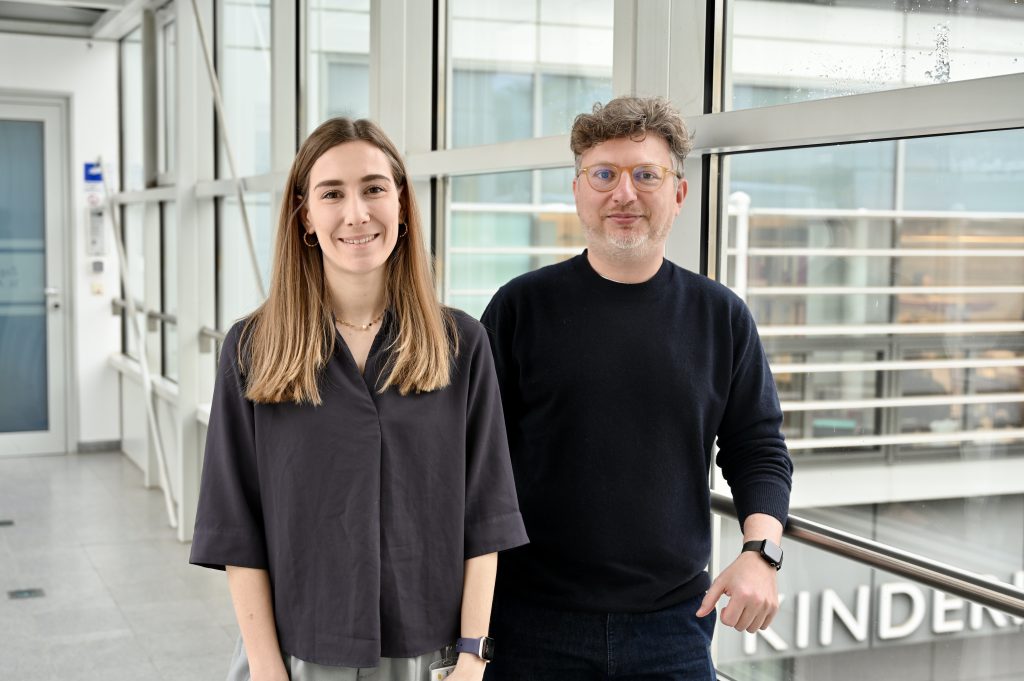
Sandra Wittbischlager and Davide Seruggia, authors of the publication.
© Lukas Lach/St. Anna CCRI

Scientists in Davide Seruggia’s group at St. Anna Children’s Cancer Research Institute (St. Anna CCRI), together with collaborators at the Broad Institute of MIT and Harvard, have developed CRISPR-Millipede, a new CRISPR-based method that allows researchers to study regulatory DNA sequences at single-nucleotide resolution. Using this approach, the team uncovered how single mutations in regulatory sequences can help cancer cells evade powerful immune therapies. The study was published in Nature Communications.

In Simple Terms
– Every gene has a “control panel” that regulates when and how much the gene is expressed.
– The researchers developed CRISPR-Millipede, a new tool that helps them decode these control panels with unprecedented precision.
– Using CRISPR-Millipede, they found that small genetic changes in the control panels of some genes can help cancer cells survive powerful therapies.

Cancer initiation, progression and treatment resistance are driven by genetic mutations. Many cancer-linked mutations affect a gene’s coding sequence — the instructions used to build a protein — resulting in proteins with altered shape or function. However, producing a protein requires more than just the coding sequence. Surrounding regulatory DNA regions act as a control panel, providing binding sites for transcription factors that determine when, where and how strongly a gene is expressed.

While the effects of coding mutations can be predicted, understanding how small changes in regulatory sequences influence gene expression has remained difficult. Existing methods can identify short stretches of DNA involved in disease, but lack the resolution to assess the role of individual nucleotides. This has limited our ability to fully understand how mutations in regulatory regions contribute to cancer and therapy resistance.

CRISPR-Millipede: dissecting regulatory regions one nucleotide at a time

To overcome these limitations, the researchers developed CRISPR-Millipede, a new CRISPR-based screening approach that combines dense base editing and flow cytometry with a new computational analysis pipeline. With this approach, scientists now can introduce a dense array of precise changes to individual nucleotides within regulatory regions and test how each mutation affects gene expression at single-nucleotide resolution. The team achieved higher resolution and accuracy than previous similar approaches.

Our approach allows us to analyze large cell populations simultaneously and extract meaningful biological insights,” explains Luca Pinello, computational biologist at Harvard and one of the senior authors of this study. “Importantly, this lets us study regulatory elements at a fraction of the cost of advanced technologies like single-cell RNA sequencing.”

CRISPR-Millipede’s high sensitivity also enables scientists to evaluate the relevance of even very rare mutations and discriminate the effects of multiple mutations occurring simultaneously within the same regulatory region.

A potential mechanism for cancer therapy resistance

To demonstrate the power of their method, the researchers focused on a previously unknown regulatory region controlling the expression of CD19, a protein found on the surface of certain blood cells known as B cells. CD19 is a key target of CAR-T cell therapy used to treat B-cell leukemia, where engineered immune cells attack cancer cells carrying this protein.

Using CRISPR-Millipede, the researchers precisely mapped the DNA “landing pads” where transcription factors (proteins that switch genes on and off) attach and regulate CD19 expression. The team found that specific mutations in these regulatory elements can reduce CD19 expression, allowing cancer cells to escape CD19-targeted CAR-T cells.

These findings reveal a previously unrecognized mechanism by which cancer cells could develop resistance to immunotherapy. “We are already investigating critical regulatory elements controlling other genes involved in immunotherapy, such as PD-L1” says Sandra Wittibschlager, co-first author of this study.

Expanding the scope of cancer genetics

The results suggest that non-coding, regulatory genomic regions could play a far more active role in cancer biology than previously appreciated. By enabling precise and scalable analysis of these regions, tools like CRISPR-Millipede open new possibilities for understanding how intergenic DNA variants and mutations contribute to disease, potentially informing better advanced therapies.

We hope CRISPR-Millepede and the other tools our team develops will be useful to the broader scientific community,” says Seruggia. “We are only beginning to understand how regulatory DNA shapes disease, and this approach has the potential to reveal the mechanisms behind inherited DNA variants that predispose to childhood leukemia.”

Publication

Becerra, B., Wittibschlager, S., Patel, Z.M., et al. Nucleotide-Resolution Mapping of Regulatory Elements via Allelic Readout of Tiled Base Editing. Nat Commun 44, 224 (2026). https://doi.org/10.1038/s41467-026-69918-8

Press Release

Guiding Stem Cells Step by Step: New Tool Improves Models of Pediatric Cancer Development

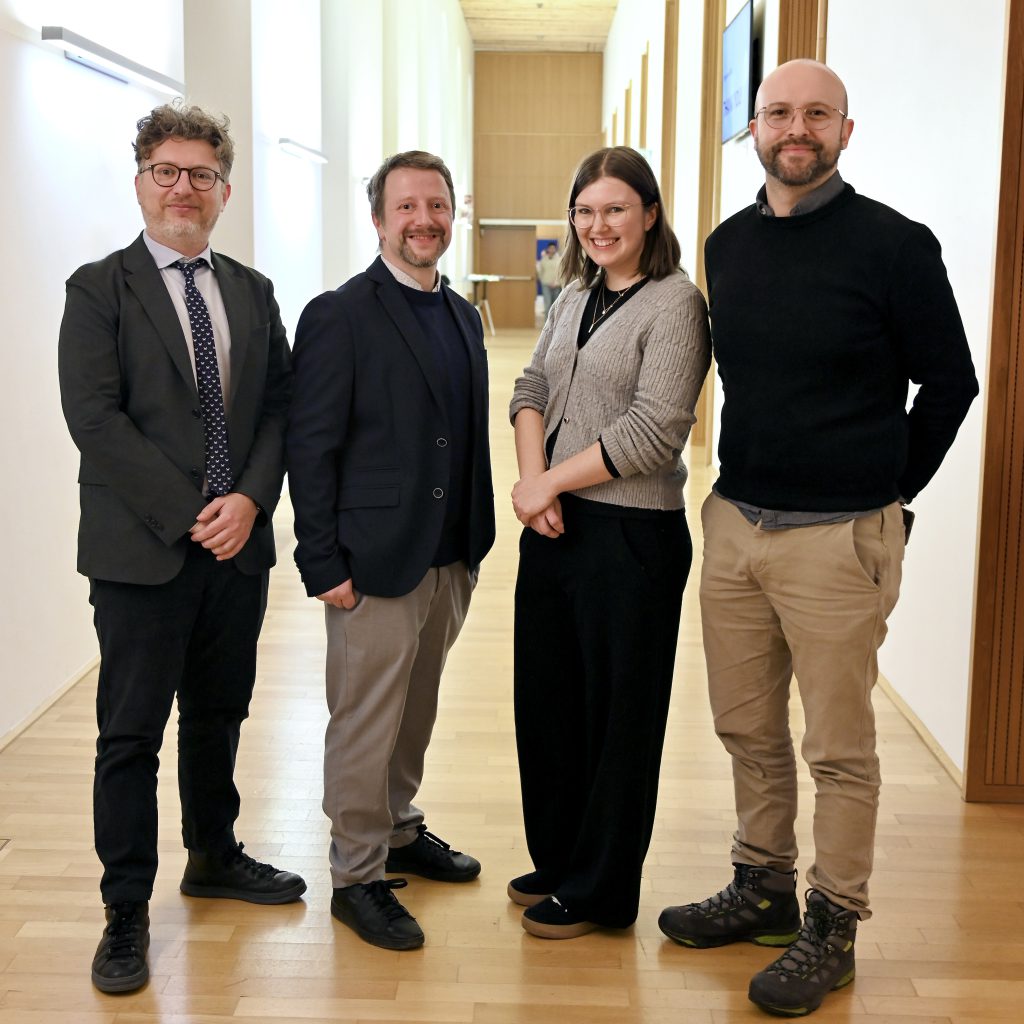
© Lukas Lach/St. Anna CCRI.

To study the molecular causes of pediatric cancer, scientists need to recreate complex developmental processes in the lab – an effort that often requires a great deal of trial and error. Scientists in the labs of Florian Halbritter and Davide Seruggia at the St. Anna Children’s Cancer Research Institute (St. Anna CCRI) have developed a new method that helps scientists craft accurate cellular models from stem cells. Their findings, published in the journal Nucleic Acids Research, establish a new strategy to improve disease modelling in pediatric cancer and could have implications in regenerative medicine.

In Simple Terms
– Creating lab models of cancer development requires taking stem cells through a long process that must be optimized step by step.
– The researchers developed a method to help them choose only the best condition at each step to make the process faster and cheaper.
– Their method could make it easier to model childhood cancer and have applications in regenerative medicine.

Pediatric cancer often begins with errors during early development, when cells fail to choose the right path and instead start forming a tumor. Understanding how genetic alterations cause these missteps is essential not only to learn how cancer develops, but also to find new treatments.

To investigate this, scientists recreate aspects of early development in the lab. They use different experimental conditions to gently guide stem cells through the stages they would normally follow as they turn into specialized cell types. But fine-tuning each step can quickly become an enormous task: different lab conditions can produce cells that look similar but behave very differently, and current methods struggle to determine how closely these lab-grown cells match real developing cells at each step.

To address this problem, a research team led by Florian Halbritter and Davide Seruggia developed a new method based on principles used to streamline tasks in computer science. The approach evaluates success early on – not just at the final stage of differentiation – helping scientists compare experimental conditions more accurately and select the best protocol to produce the desired cell type. It can even suggest improvements to make lab-grown cells more similar to cells in the body.

Machine learning concepts inspire disease modeling

Typically, researchers fine-tune a differentiation protocol – the step-by-step process that turns a stem cell into a specialized cell in the lab – by examining only the final product and measuring how similar it is to a reference cell (such as red blood cells or liver cells). But once a protocol includes several stages, it becomes increasingly demanding to understand how changes at each step affect the final result.

The number of combinations gets exponentially larger,” explains Florian Halbritter. “With only two steps and eight experimental conditions at each step, that’s 64 different protocols to compate. With three steps, we already have 512 different combinations!

Testing all combinations is often impossible, as time and resources are limited. To simplify the process, the team drew inspiration from a concept in machine learning known as greedy optimization. “Greedy optimization simplifies the search by looking at each intermediate step and choosing only the best condition to move forward with”, explains co-first author Luis Montano. By applying this idea, the scientists reduced the number of conditions to test, cutting down on time and costs. However, to make this work, they needed a precise way to evaluate developing cells at each stage of the protocol.

Chromatin landscape guides the path

To determine what type of cell they have at hand, scientists often rely on microscopy and flow cytometry – tools that show how cells look, but not how they function internally. “While these tools are often sufficient in other cases, they’re not precise enough to tell us how close we are to replicating normal development,” says Davide Seruggia. The team instead turned to chromatin, the genome’s structural packaging inside cells.

Chromatin structure is essential to making a cell into what it is,” explains co-first author Sophie Müller. “At each stage of development, the cell’s chromatin which packages the DNA is rearranged and organized to make some genes more accessible and block others.” Using chromatin accessibility as a readout, the scientists compared lab-made cells with real developing cells to choose the best conditions at each stage. With this strategy, they established a refined protocol to produce erythroblasts, the precursors of red blood cells.
The method also pinpointed possible improvements. By examining subtle differences in chromatin between experimental cells and erythroblasts in the body, the team identified tweaks that made the models even more accurate.

From pediatric cancer modelling to regenerative medicine

The team’s findings introduce a new strategy to improve cellular models of pediatric cancer development, which allow researchers to better understand disease origins and design more effective treatments. But the implications extend well beyond cancer research. By improving how specific cell types are generated in the lab, the method may empower new regenerative medicine approaches, where lab-grown cells could help repair tissue damaged by stroke, heart attack, or other injuries.

Our strategy is easy to implement in most labs around the world,” Halbritter says. “We hope it will help other scientists optimize their processes so they can focus on what’s really important: understanding disease and developing new therapies”.

Publication

Montano-Gutierrez, L.F., Müller, S., Kutschat, A.P., Adameyko, I., Seruggia, D., Halbritter, F. Directing stem cell differentiation by chromatin state approximation. Nucleic Acids Res. (2026). https://doi.org/10.1093/nar/gkag124

Press Release

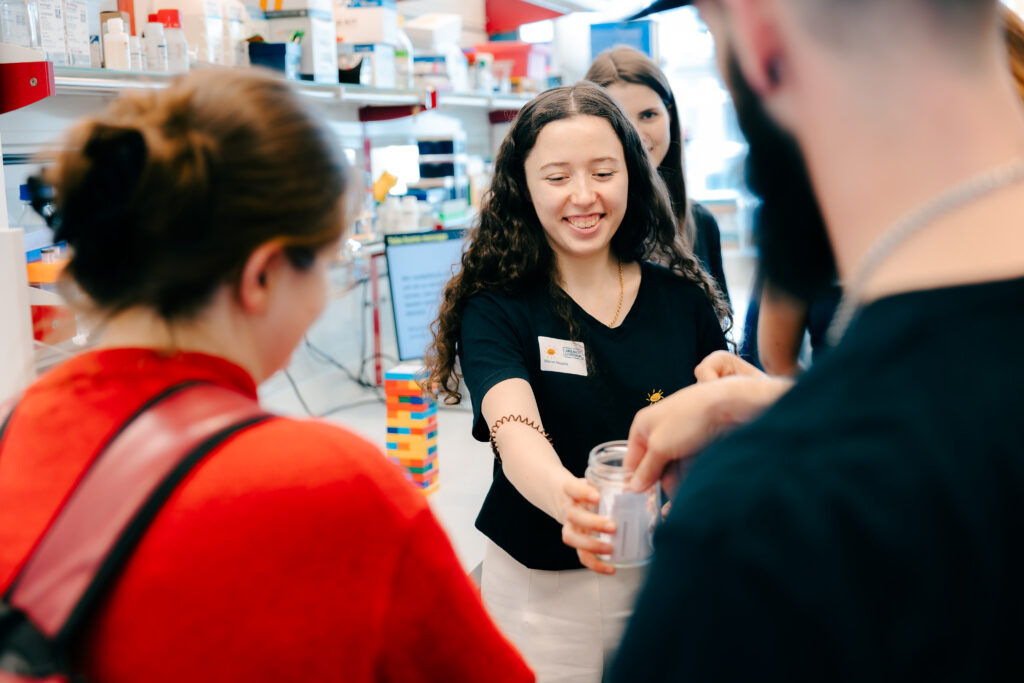
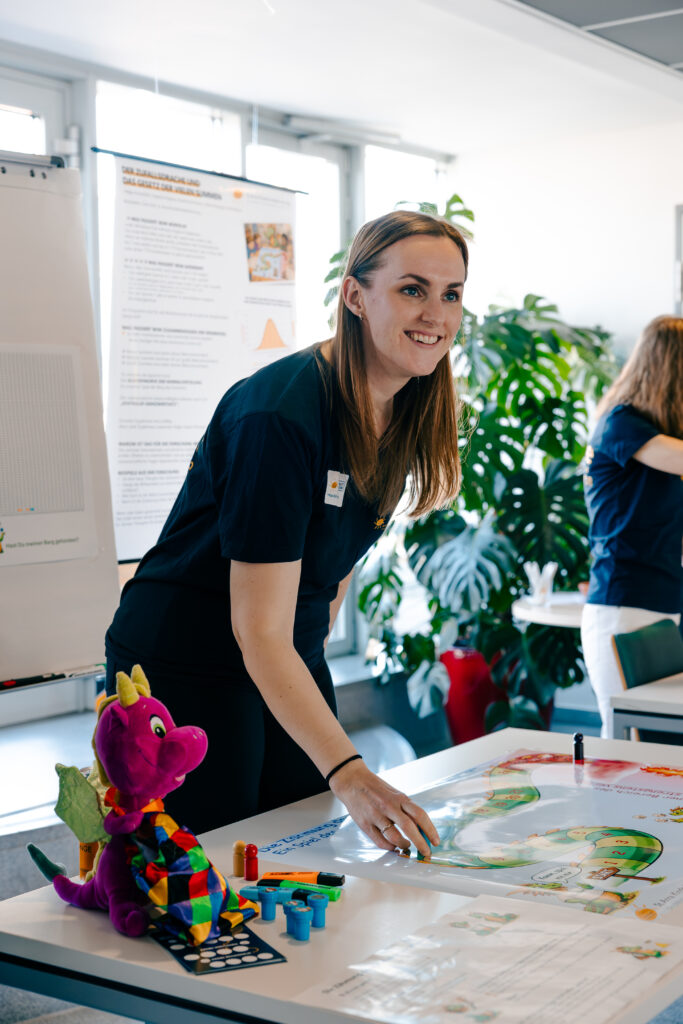
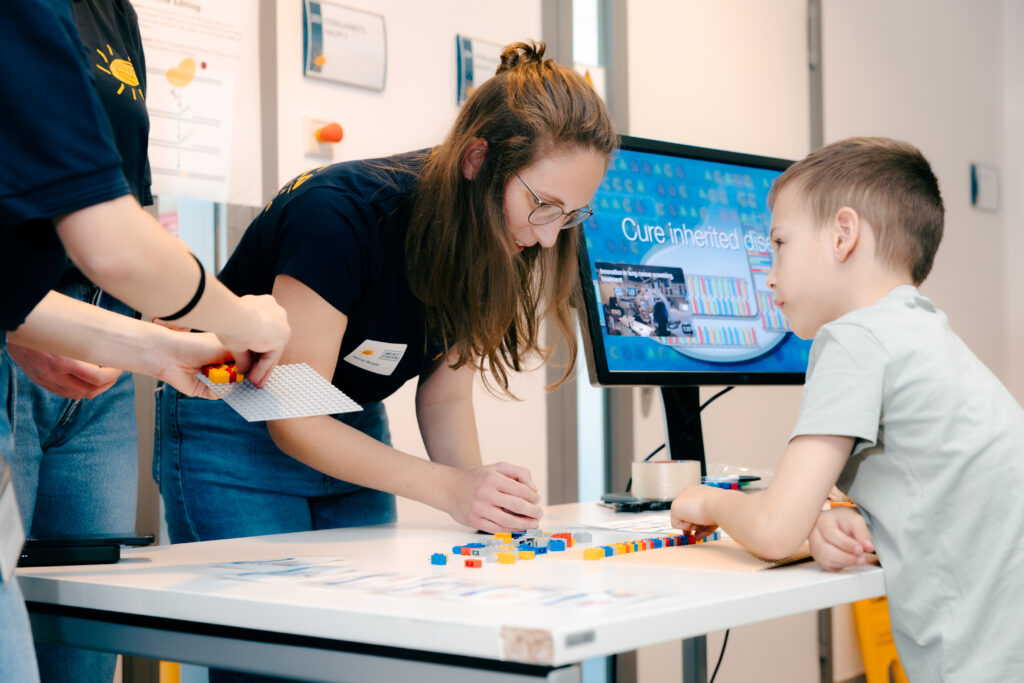
St. Anna Research Kids: A project brings science into the hands of children with cancer

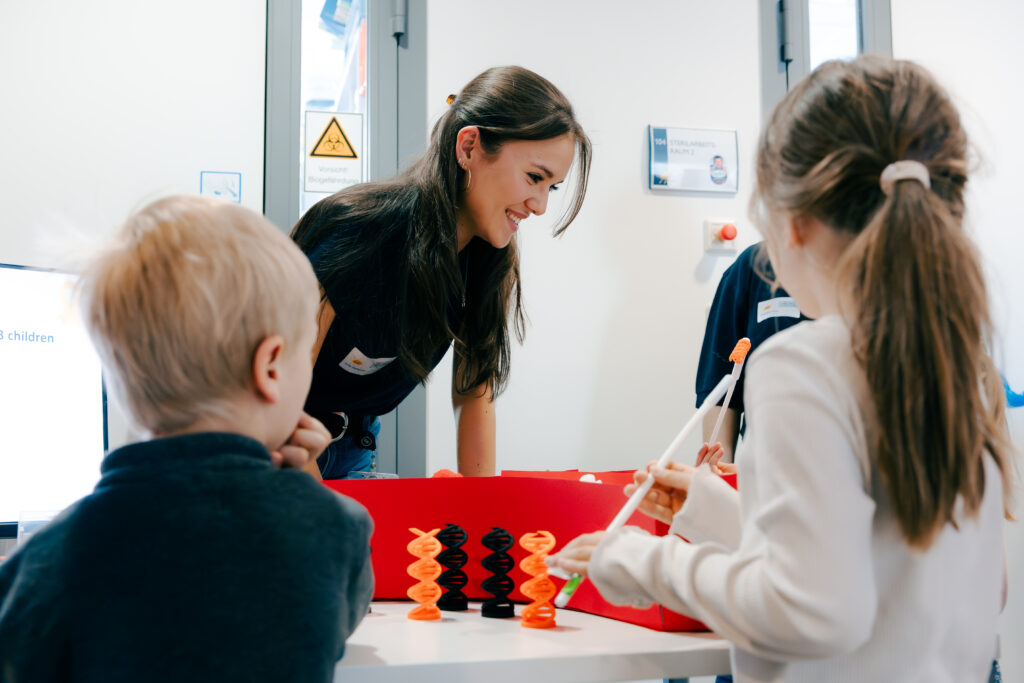
With the new hands-on initiative “St. Anna Research Kids,” scientists at St. Anna Children’s Cancer Research Institute have succeeded in bringing research directly into the daily lives of young patients at St. Anna Children’s Hospital. The project allows children and adolescents to step into the role of researchers themselves and discover the joy of scientific exploration.

The idea was initiated by Katharina Wiener and Magdalena Radoš, two researchers at St. Anna Children’s Cancer Research Institute. Their goal was to offer children and teenagers moments in which they can fully immerse themselves in the world of research despite illness and often demanding therapies, moments of respite where the disease fades into the background for a while.

The project opens up space for curiosity about science and biology, encouraging children to try new things, get creative, and engage with scientific topics in a light and playful way.

The concept was developed in close collaboration with the Psychosocial Department of St. Anna Children’s Hospital. Together, they created a format that allows children to participate in a way that suits their individual energy levels and needs.

Science to experience

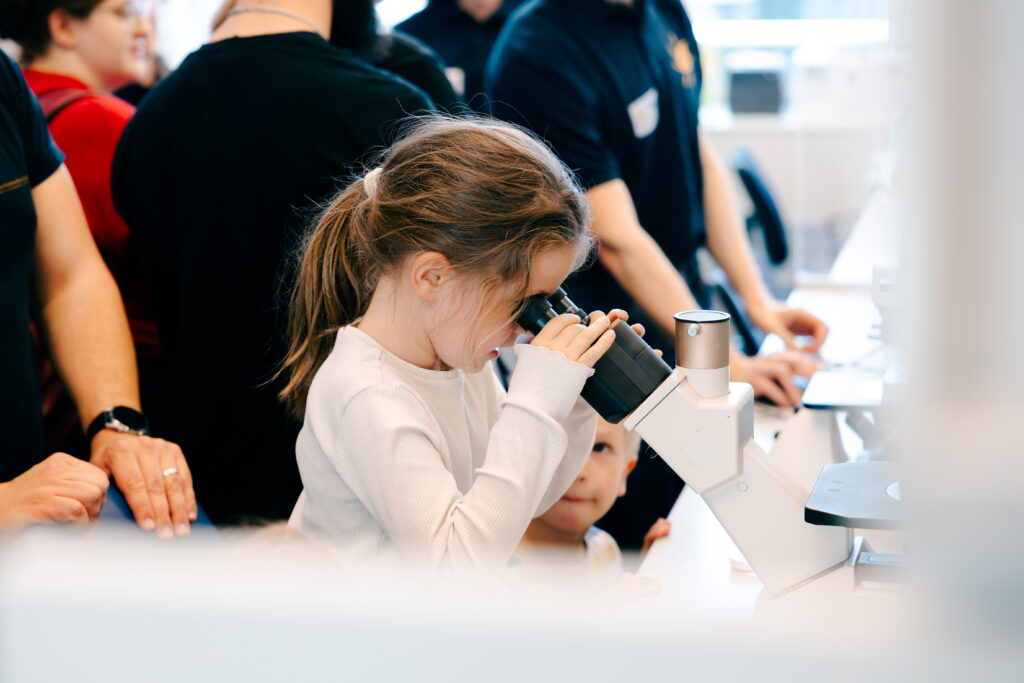
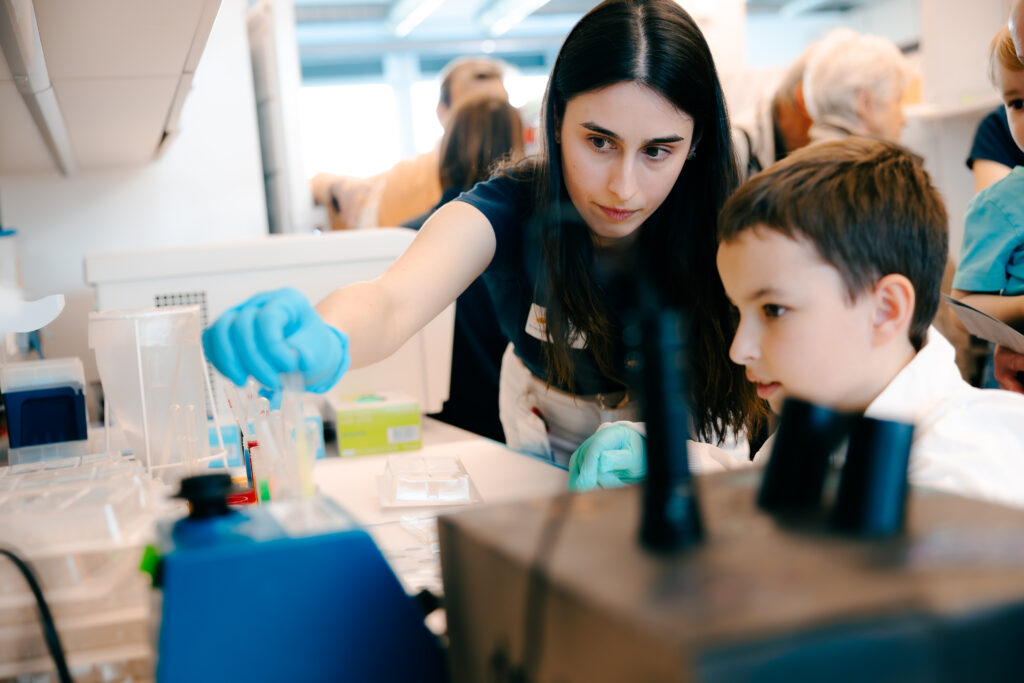
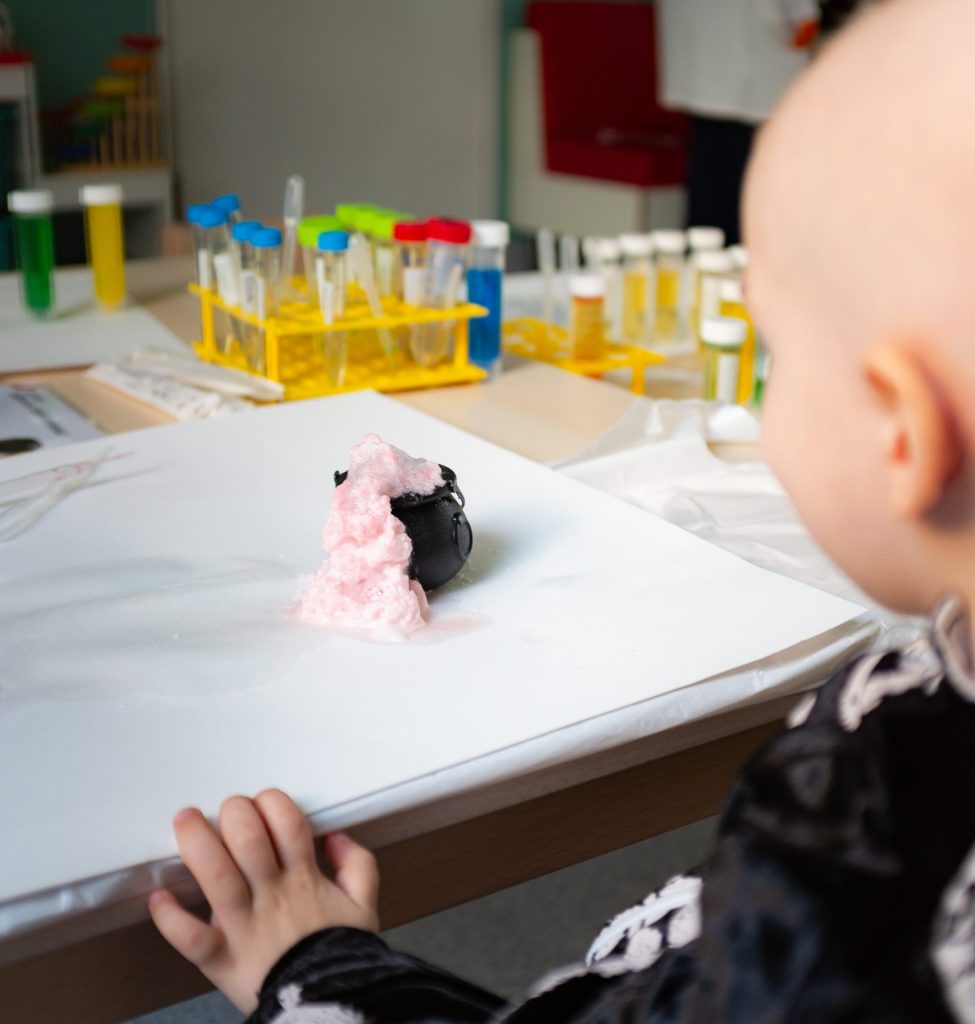
At the first St. Anna Research Kids meeting, held around Halloween, around twenty children took part in a series of small experiments: they built lava lamps, examined samples under the microscope, and solved a forensic “pumpkin case” together. The researchers guided the children and adolescents, adapting to their pace and energy. Everything was designed to create joy and provide a welcome break from their challenging daily routines.

Voices from the project

“For us, the most important thing is that the children have fun and get the chance to experience what research feels like. When a child smiles or says with shining eyes, ‘Look what I made,’ that is exactly what St. Anna Research Kids is about. At the same time, we want to offer them a short break where the illness is not at the center of attention,” says Katharina Wiener.

“We want to show that science is something you can truly experience. What makes this initiative especially meaningful is the close collaboration between St. Anna Children’s Cancer Research Institute and the various departments of St. Anna Children’s Hospital. This partnership makes the project possible and offers children genuine moments of relief from everyday clinical life,” adds Magdalena Radoš.

A project that connects

The successful launch has shown how openly children respond to science when it meets them at eye level. At the same time, the project highlights the unique closeness between St. Anna Children’s Hospital and St. Anna Children’s Cancer Research Institute: here, clinical care and research work hand in hand every day, and through St. Anna Research Kids, this connection becomes directly tangible for the children.

“For our patients in particular, it is incredibly valuable to experience moments where curiosity, joy, and a sense of agency take center stage—rather than the illness. St. Anna Research Kids beautifully demonstrates how closely medicine, research, and compassionate care are intertwined at our institution, and how together we can give children strength, confidence, and a sense of normality,” says Univ.-Prof. DDr. Caroline Hutter, Medical Director of St. Anna Children’s Hospital and Professor of Pediatric Hematology and Oncology at the Medical University of Vienna.

International Childhood Cancer Day: Research as the key to better survival rates

(Vienna, February 15, 2026) Every year, around 400,000 children and adolescents worldwide are diagnosed with cancer, with around 300-350 cases in Austria. International Childhood Cancer Day on February 15 draws attention to the special medical, psychological, and social challenges faced by affected children and their families, and to the central role of research in improving the chances of recovery.

Cancer in children is rare, but often particularly aggressive. While external risk factors play a major role in adults, cancer in children is often based on spontaneous genetic or epigenetic changes. “These mutations usually arise without any identifiable external cause and impair fundamental developmental processes, making some childhood cancers particularly aggressive and difficult to treat,” explains Associate Professor Dr. Eleni Tomazou, Scientific Director of St. Anna Children’s Cancer Research Institute.

In Austria today, up to 85 percent of affected children survive at least five years after diagnosis. This development shows the great progress made in recent decades. However, survival rates remain very unevenly distributed worldwide: in countries with low levels of development, only around ten percent of children with cancer survive. Every year, around 100,000 children and adolescents worldwide die of cancer.

In Austria today, up to 85 percent of affected children survive at least five years after diagnosis. This development shows the great progress made in recent decades. However, survival rates remain very unevenly distributed worldwide: in countries with low levels of development, only around ten percent of children with cancer survive. Every year, around 100,000 children and adolescents worldwide die of cancer.

To reduce these inequalities, the World Health Organization (WHO) has launched the Global Initiative for Childhood Cancer. The goal is to increase the global survival rate to at least 60 percent by 2030. Key prerequisites for this are earlier diagnosis, more effective therapies, and sustainable investment in medical research.

Close cooperation between clinics and research is crucial for progress in the treatment of childhood cancer. Direct exchange between medical practice and science makes it possible to quickly integrate new findings into care and continuously improve therapies. 

“In order to further improve the survival chances of children with cancer, continuous investment in research and international cooperation is needed. This is the only way to bring innovative therapies into clinical practice quickly,” emphasizes Dr. Taschner-Mandl, Director of the St. Anna Children’s Cancer Research Institute.

St. Anna Children’s Cancer Research Institute is one of the world’s leading research institutions in the field of pediatric oncology. Since its founding in 1988, the institute has been dedicated to developing innovative diagnostic, prognostic, and therapeutic approaches for children and adolescents with cancer. Its research work is largely supported by private donations.

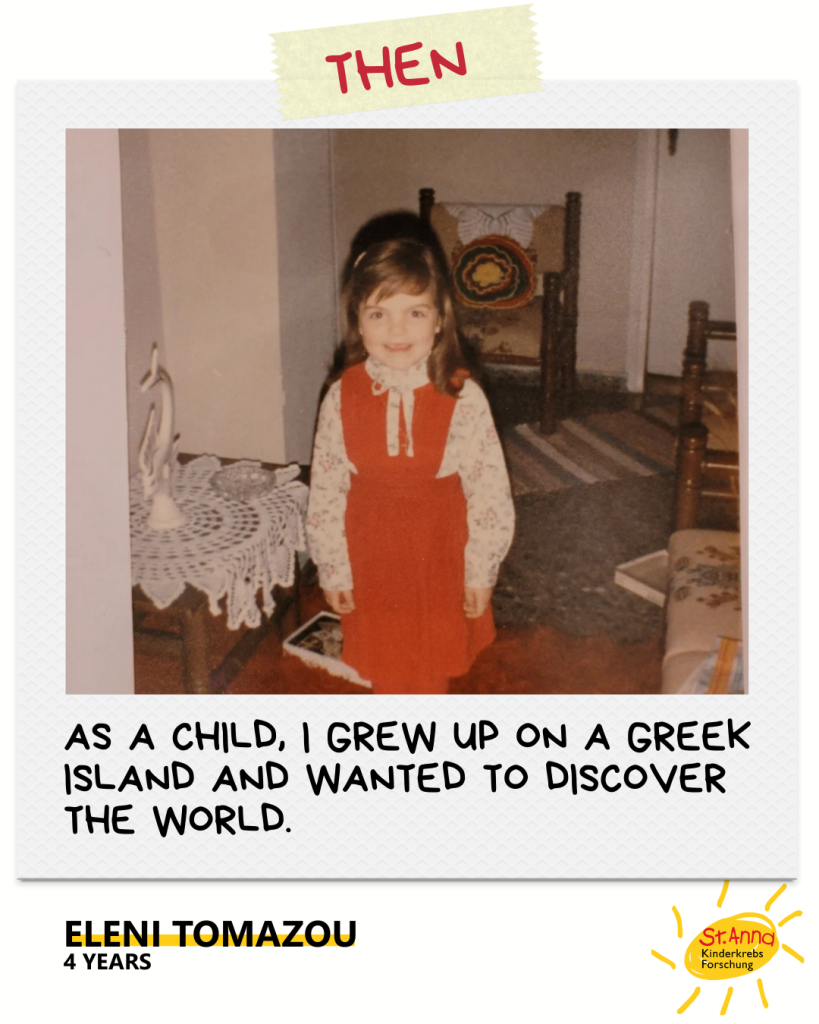
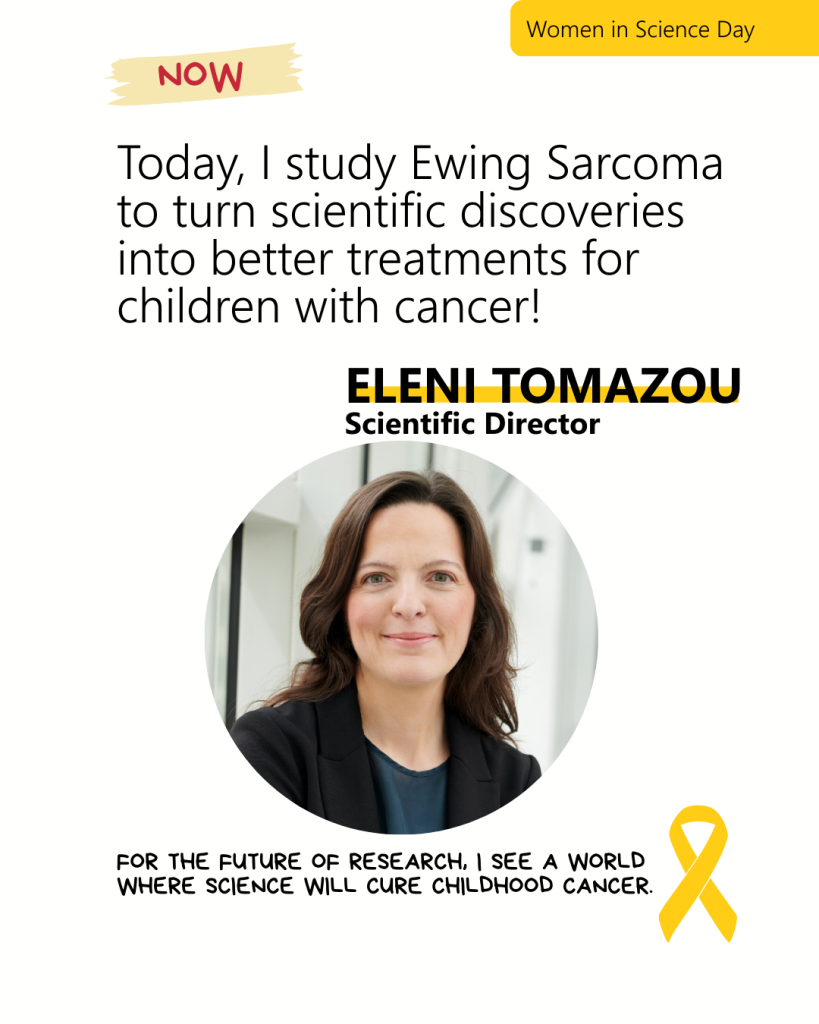
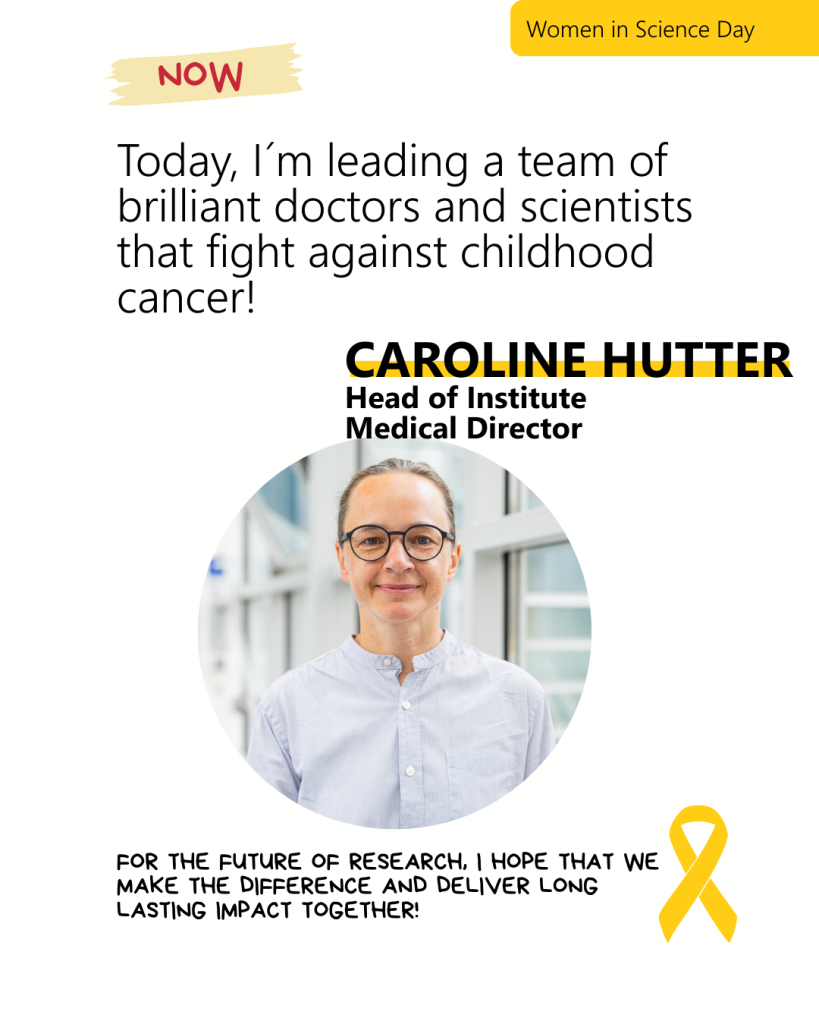
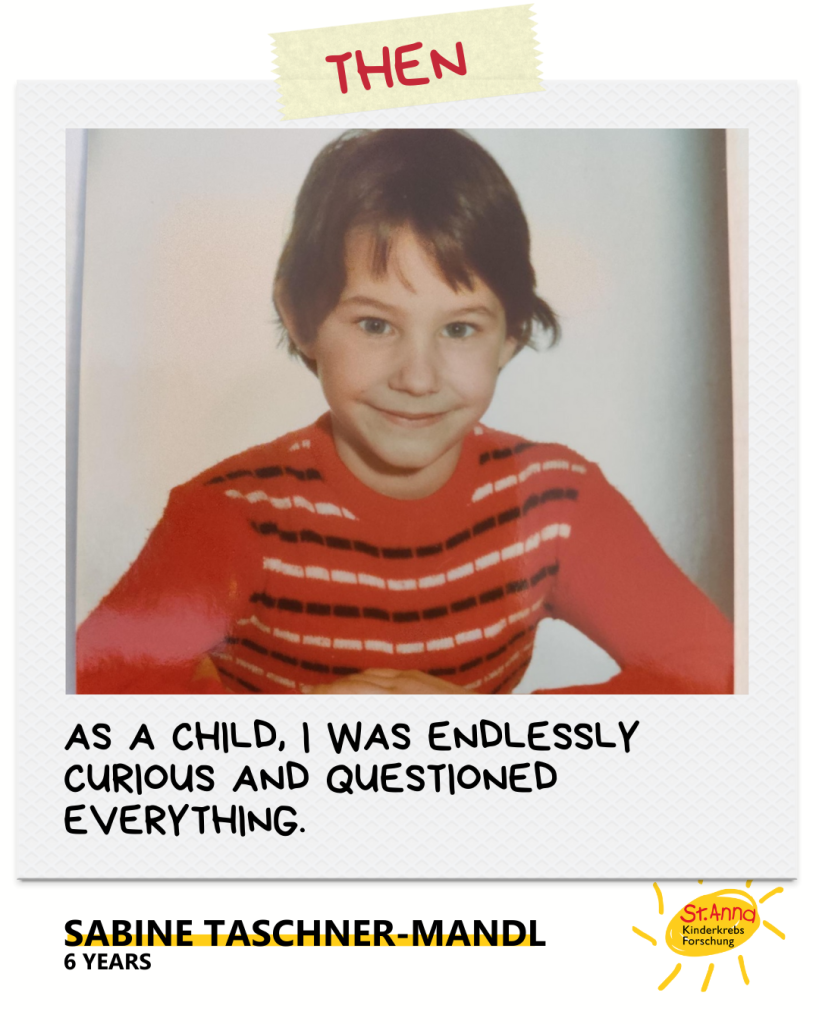
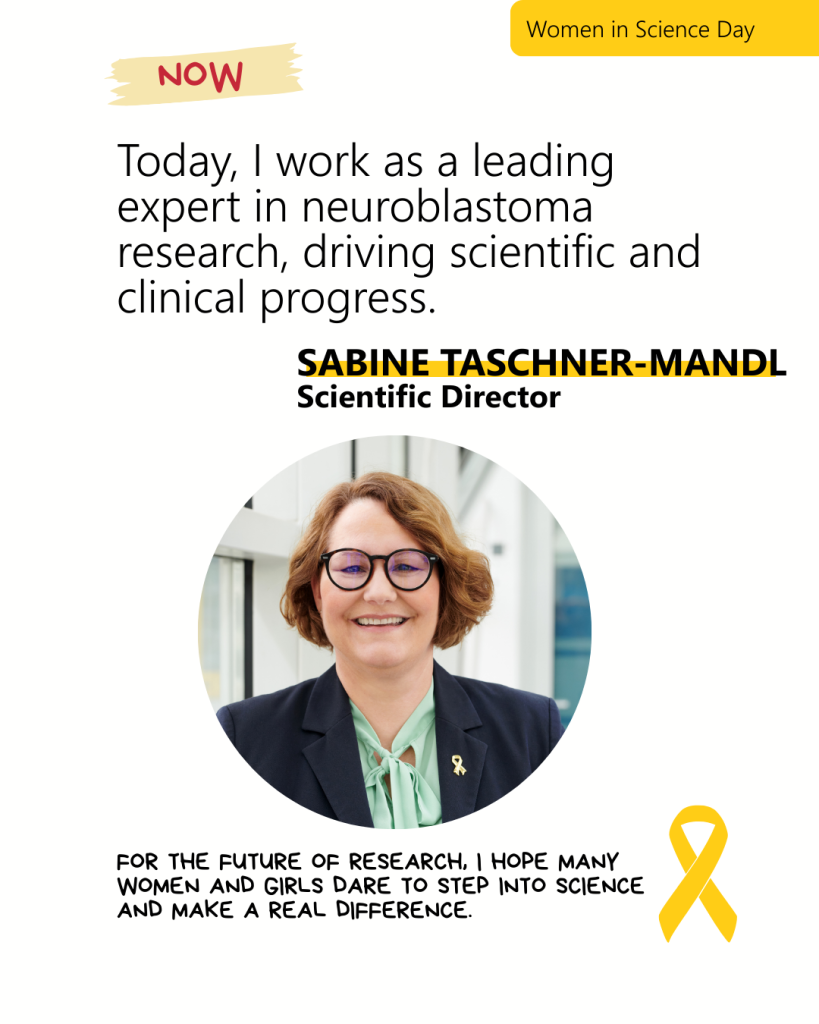
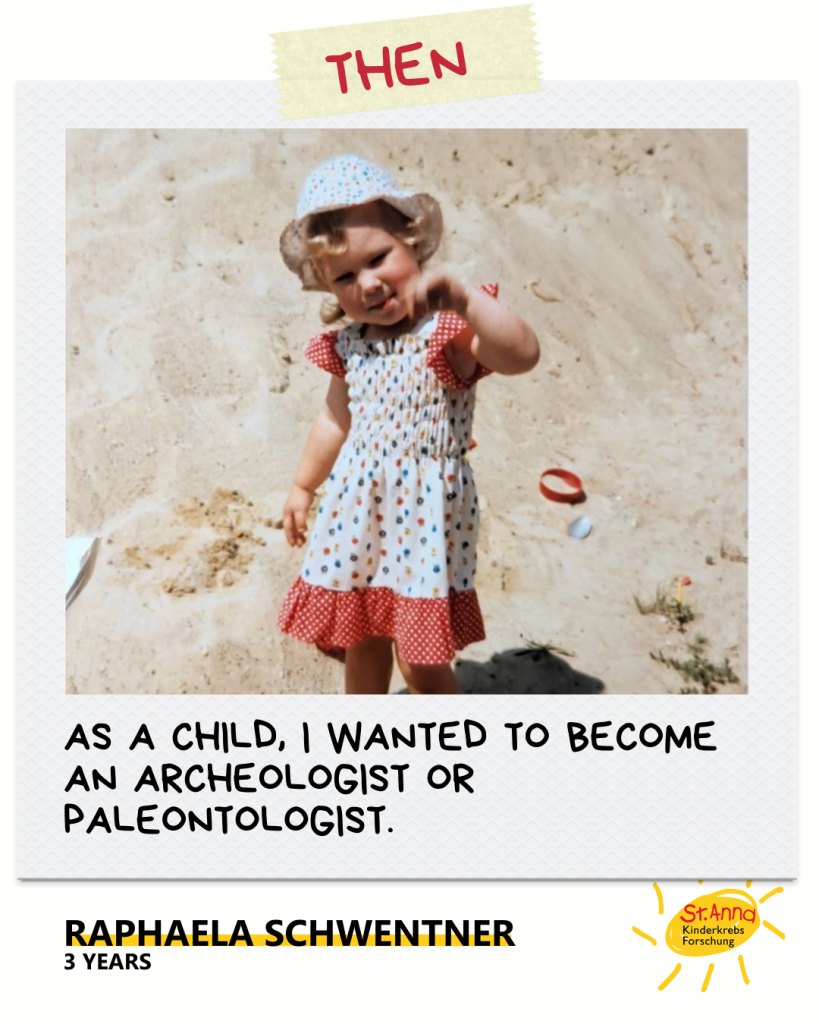
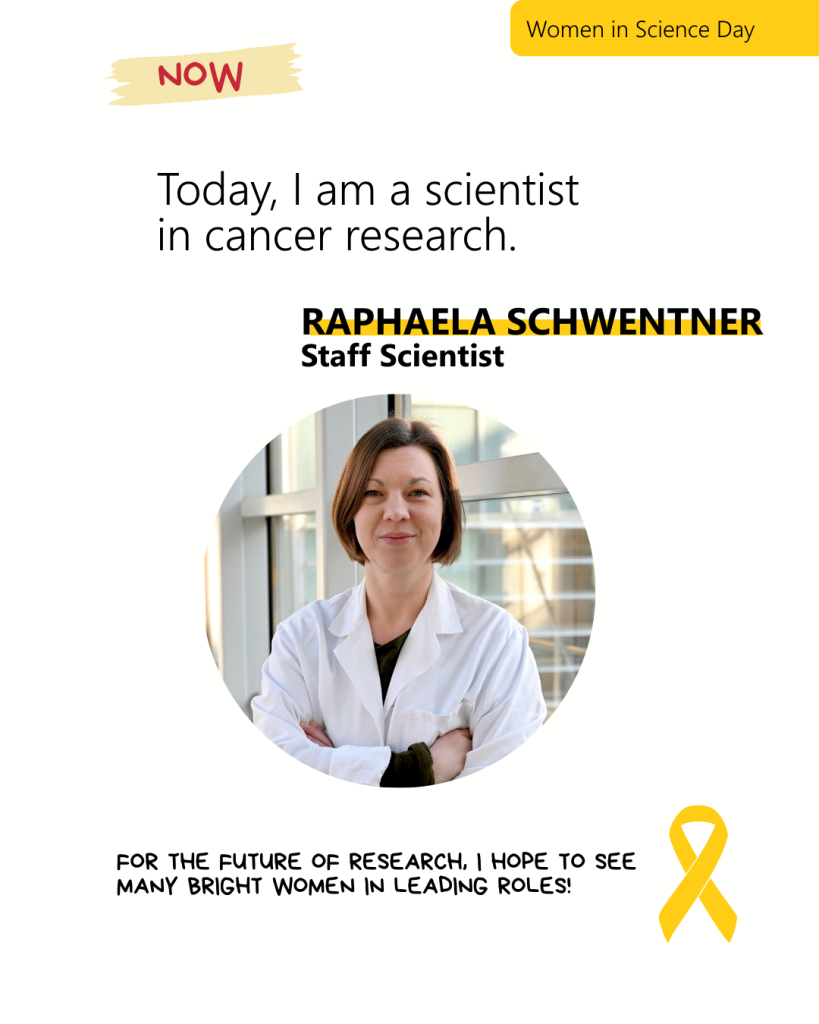
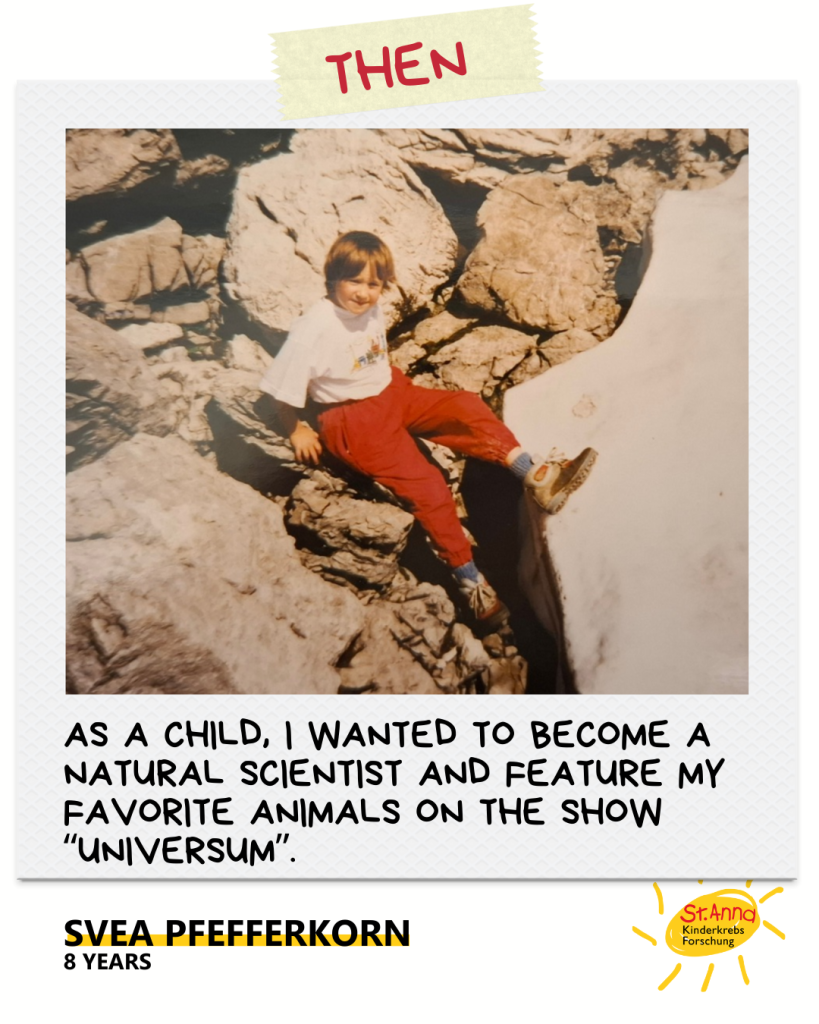
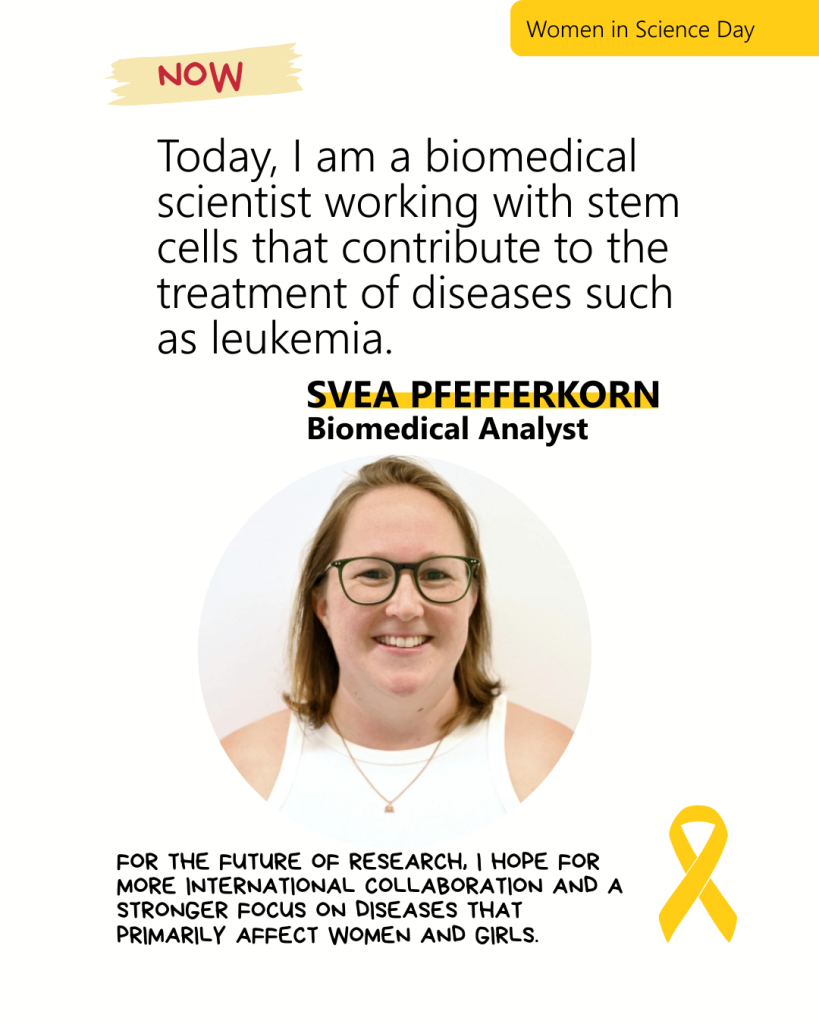
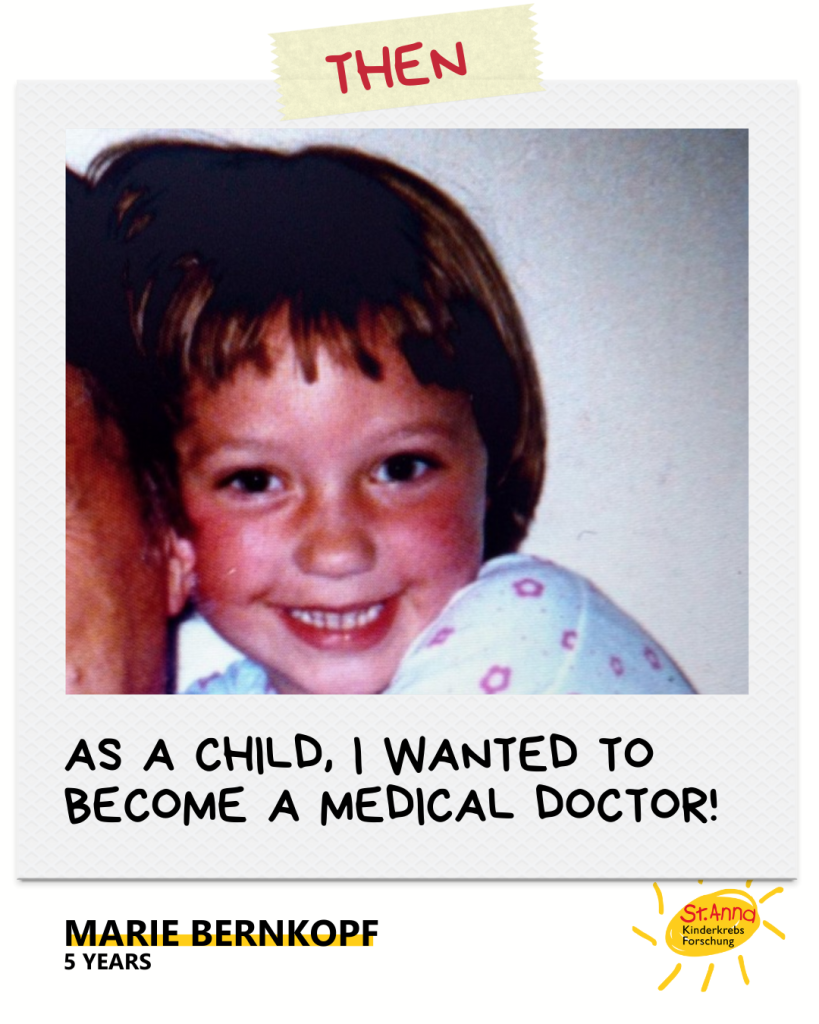
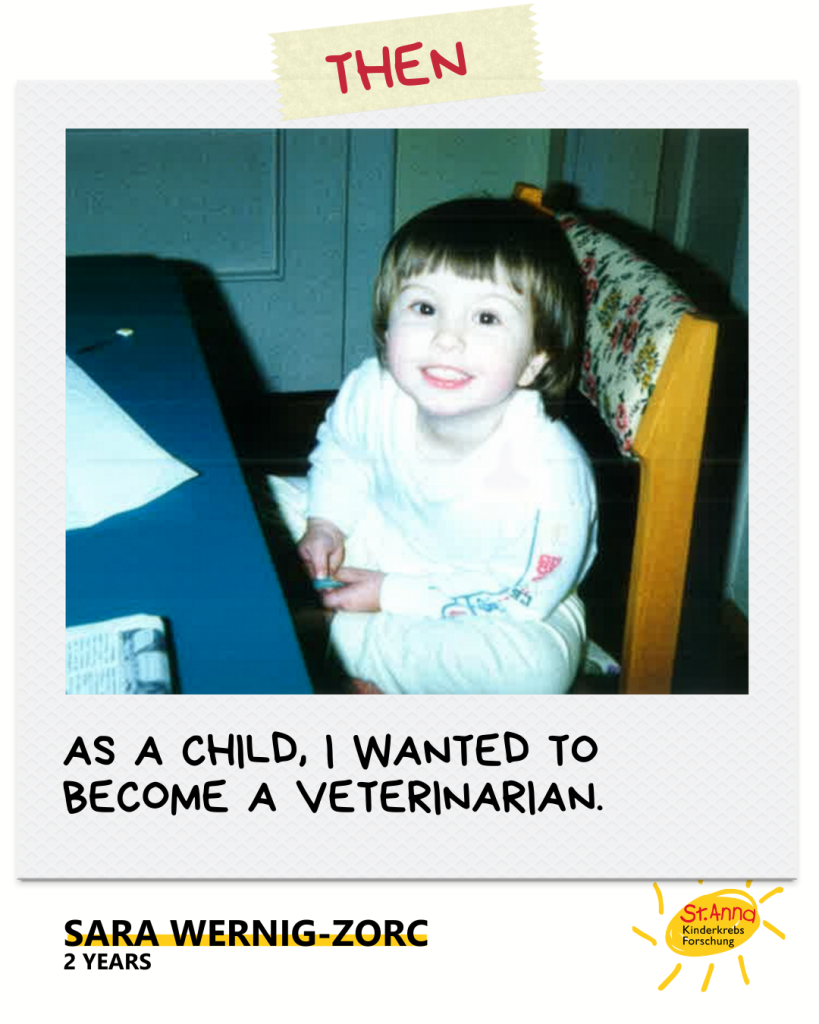
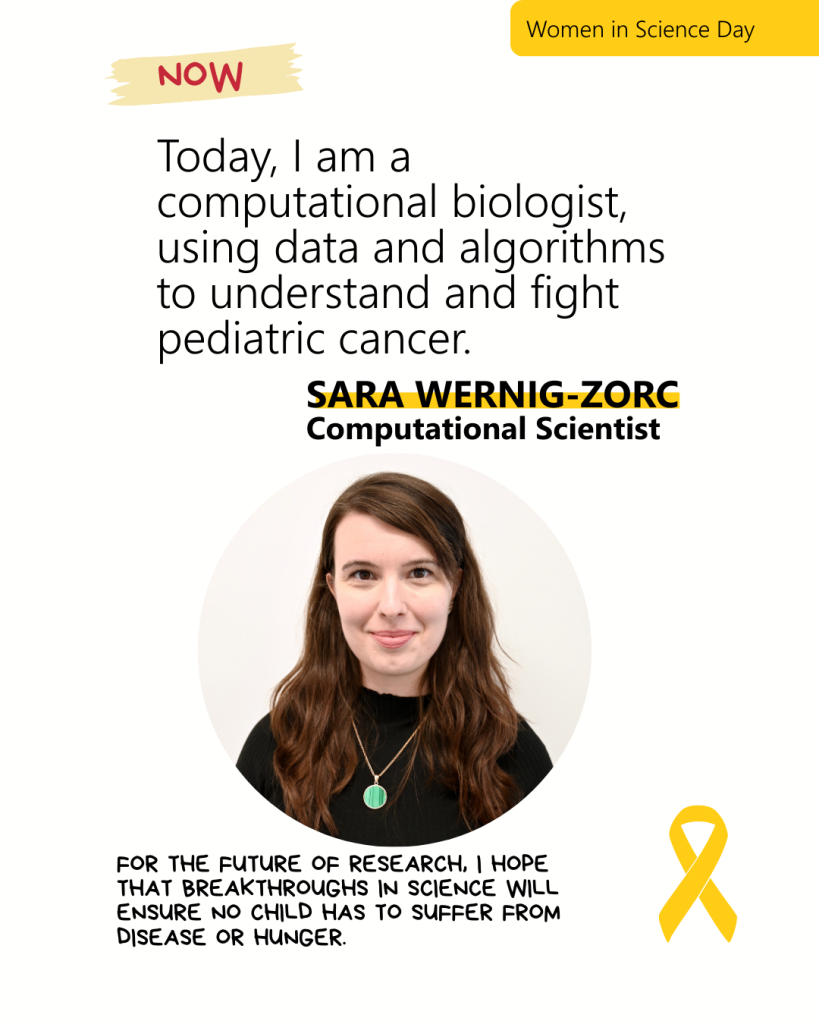
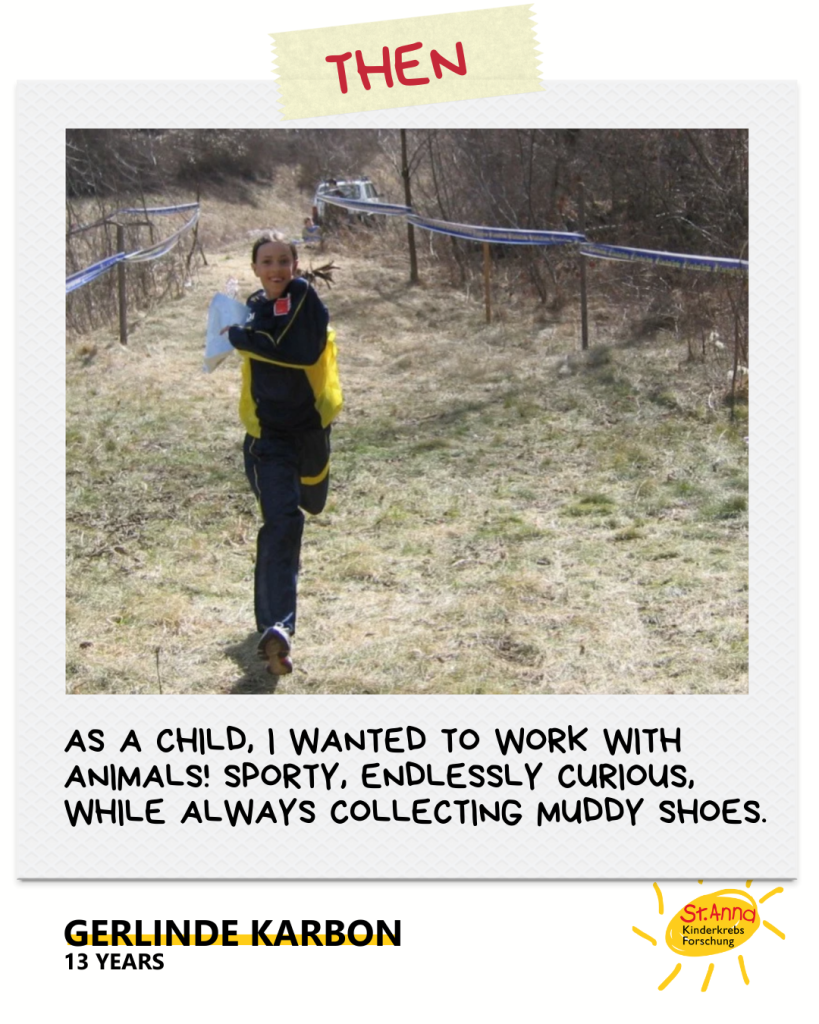
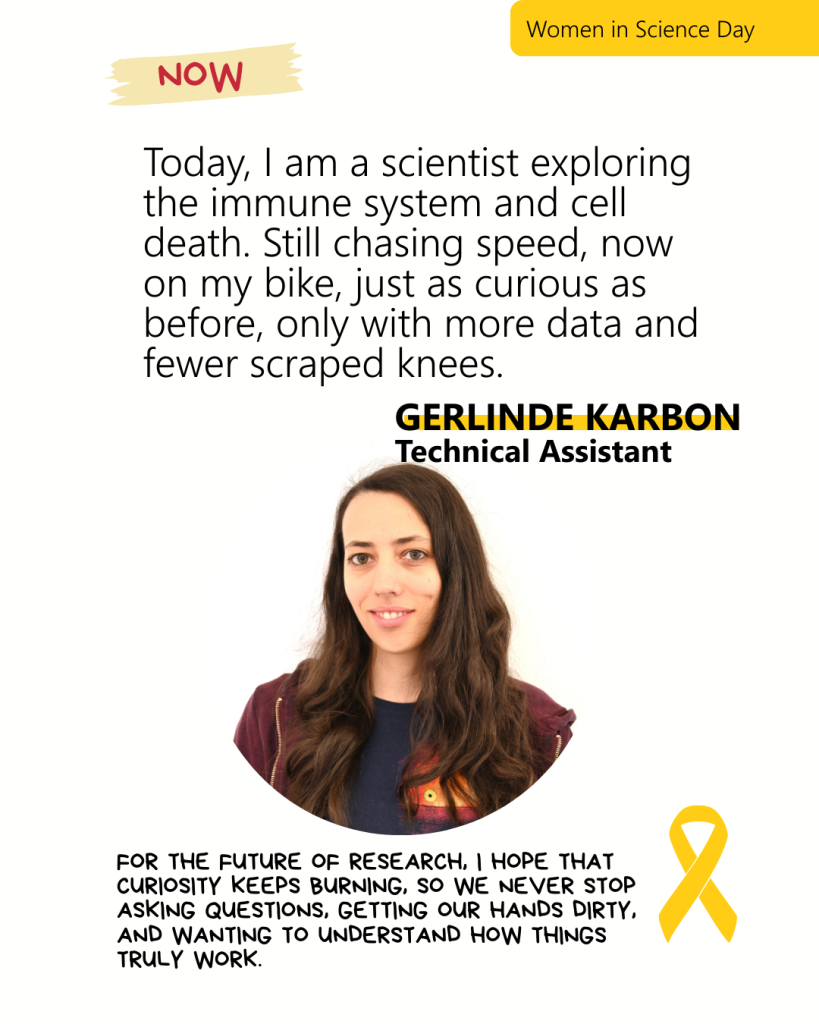
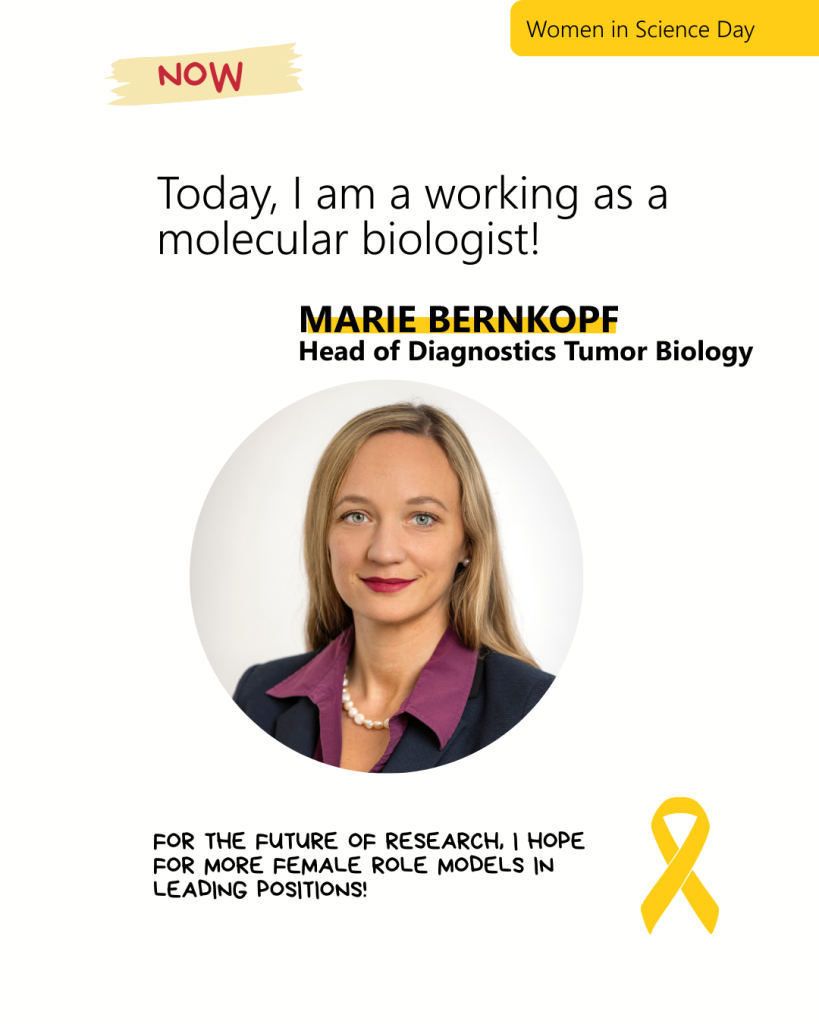
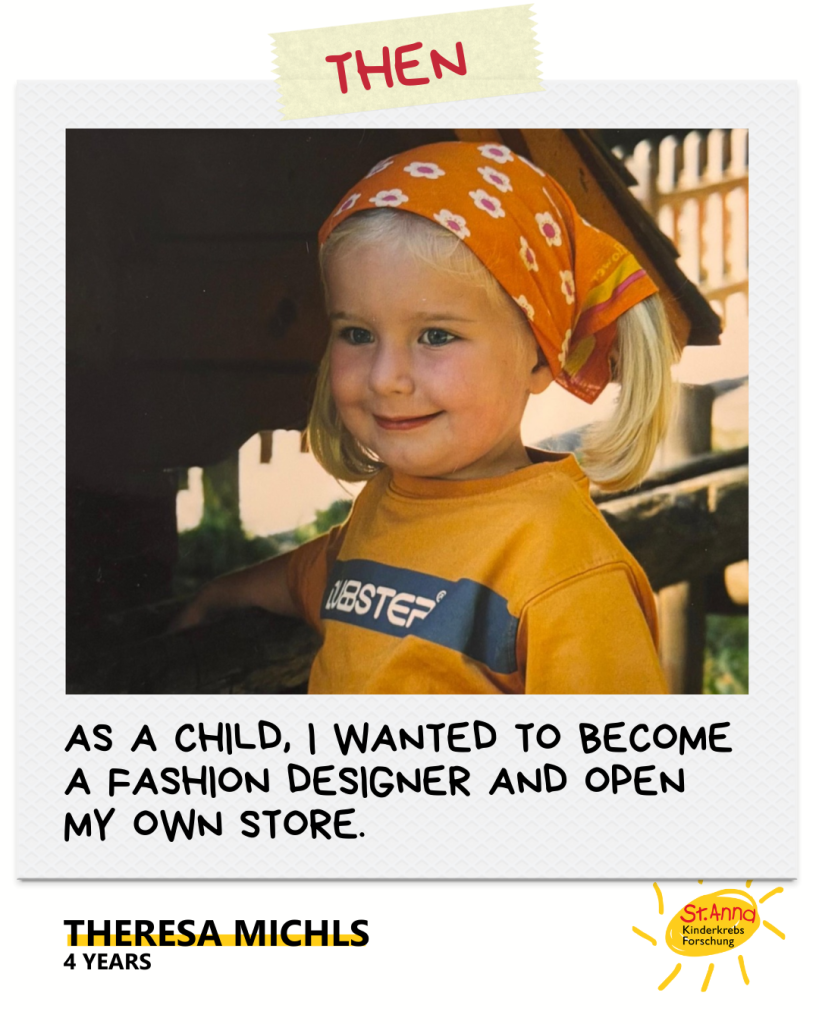
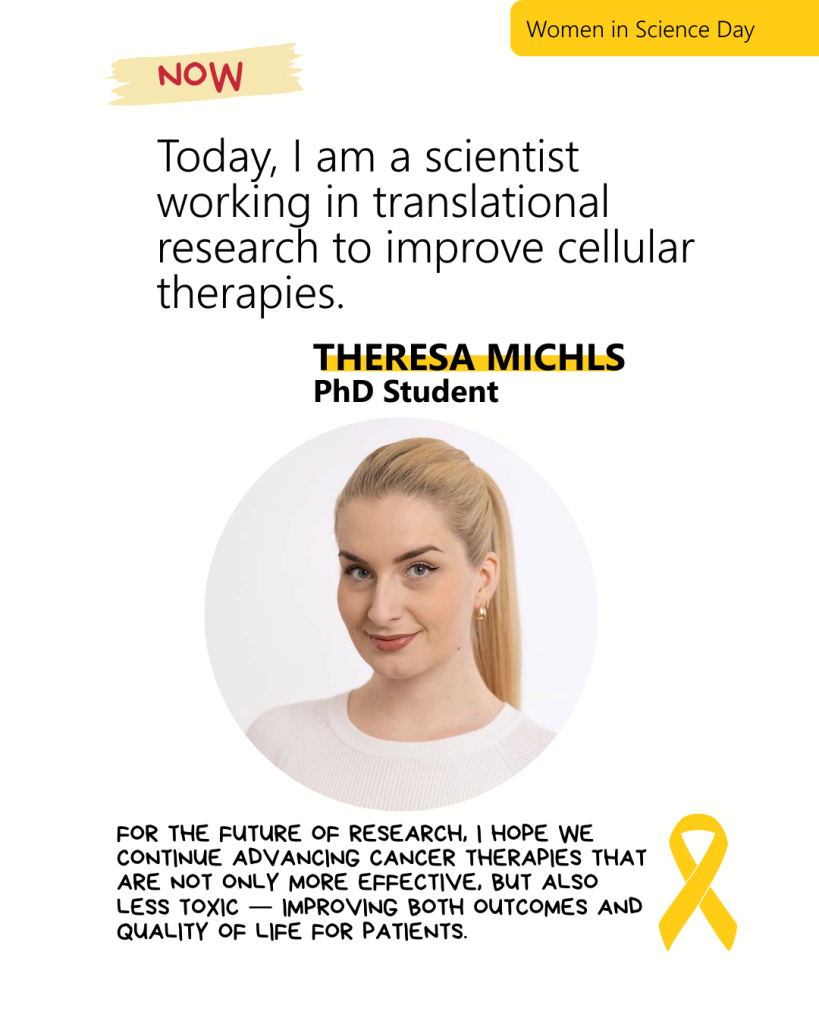
Women in Science Day 2026: Then. Now. Tomorrow. 

Every researcher’s journey begins with curiosity. A question asked as a child. A fascination with how the world works. Today, these childhood dreams live on in our labs. Our researchers are exploring, questioning, and pushing boundaries. Driven by the same curiosity, now paired with expertise, responsibility and purpose. And tomorrow? They are thinking ahead. About the future of research. About the next generation. About a world where science is shaped by diverse voices and bold ideas.

This story brings together personal reflections from our female scientists. Moments from their past, their present work, and their hopes for what lies ahead.

St. Anna CCRI Symposium 2026: Bridging Developmental Biology and Childhood Cancer Research

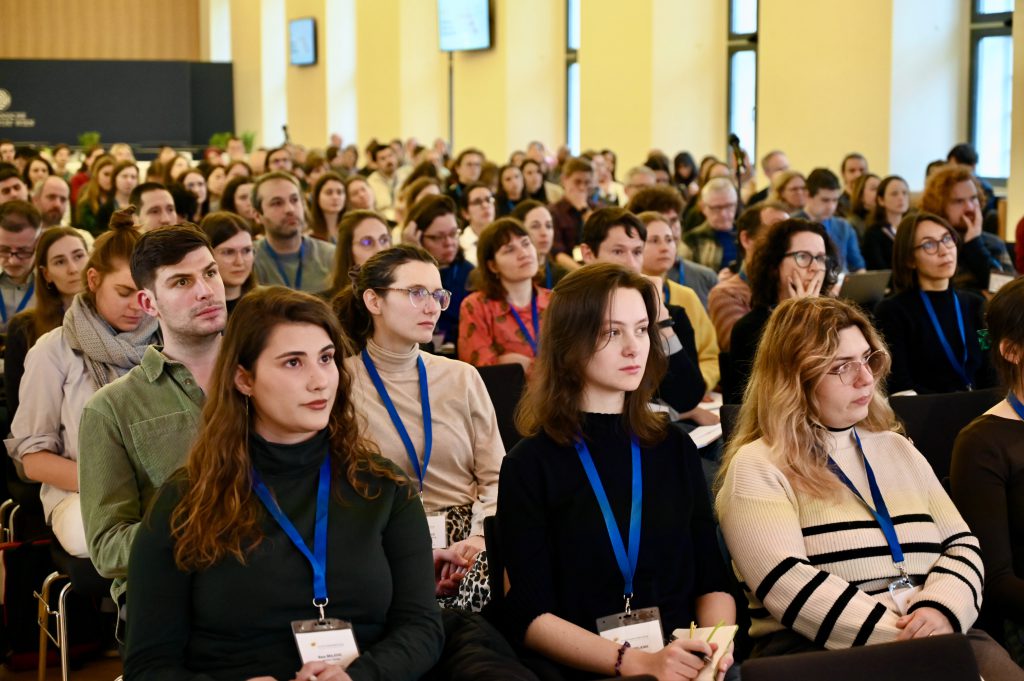
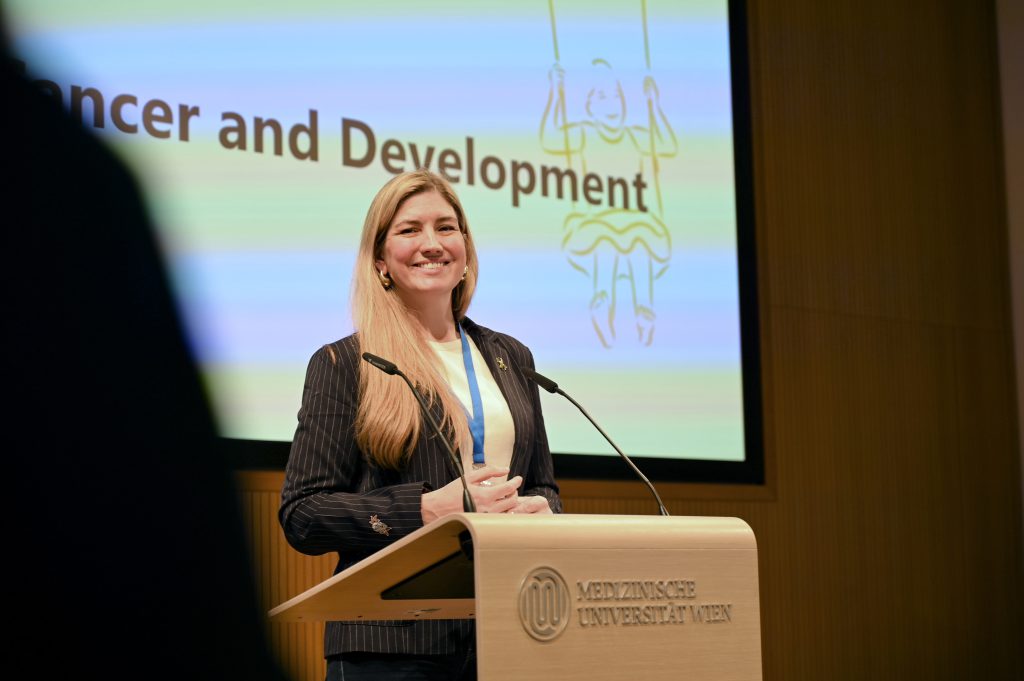
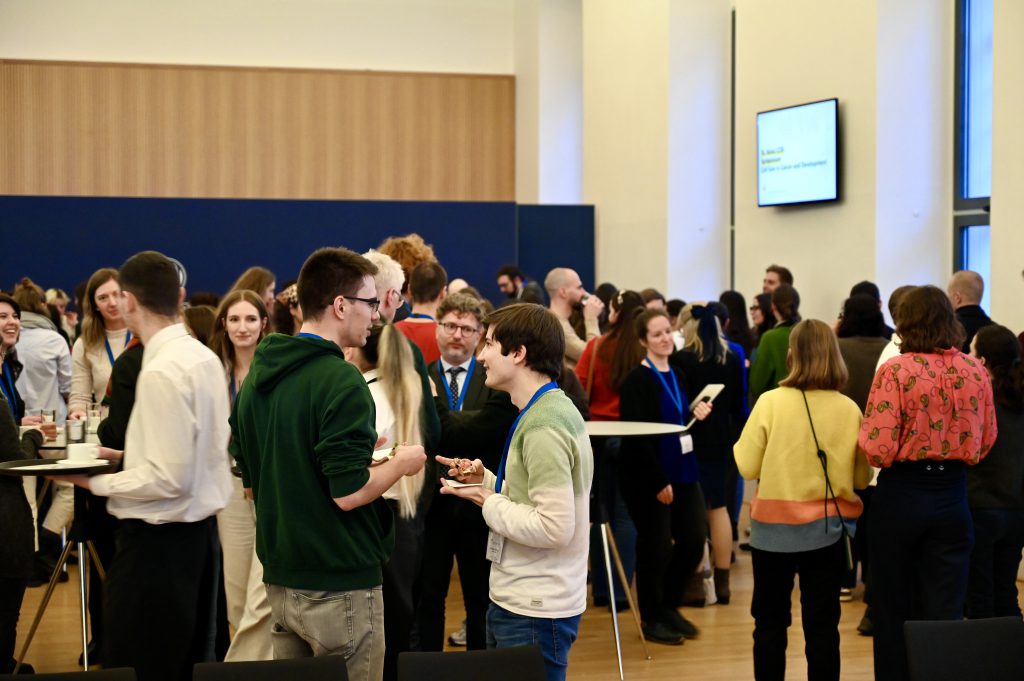
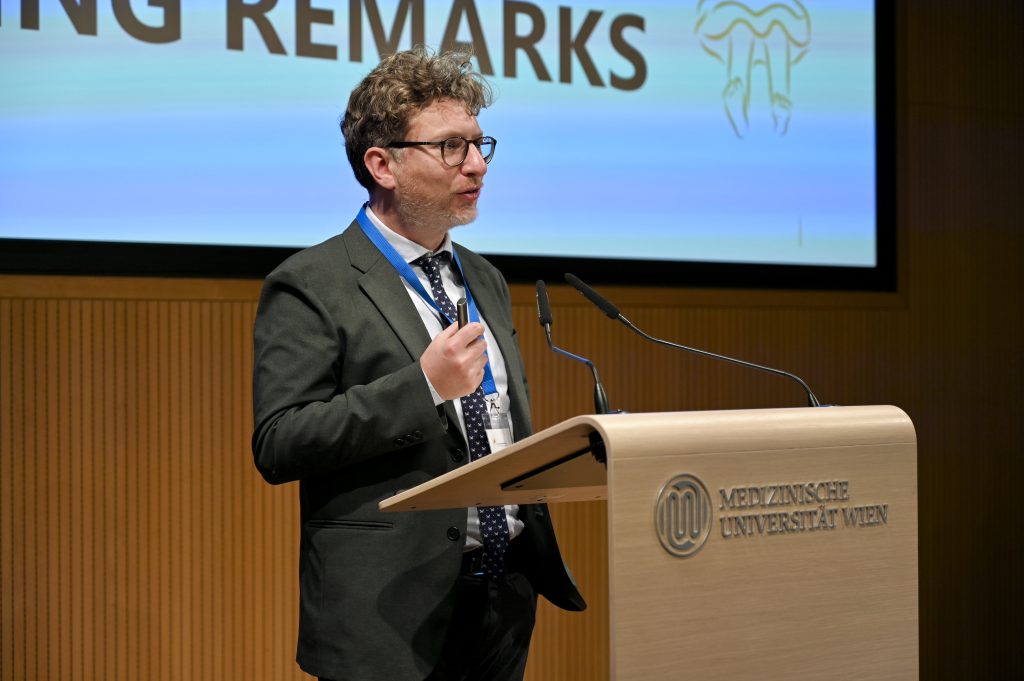
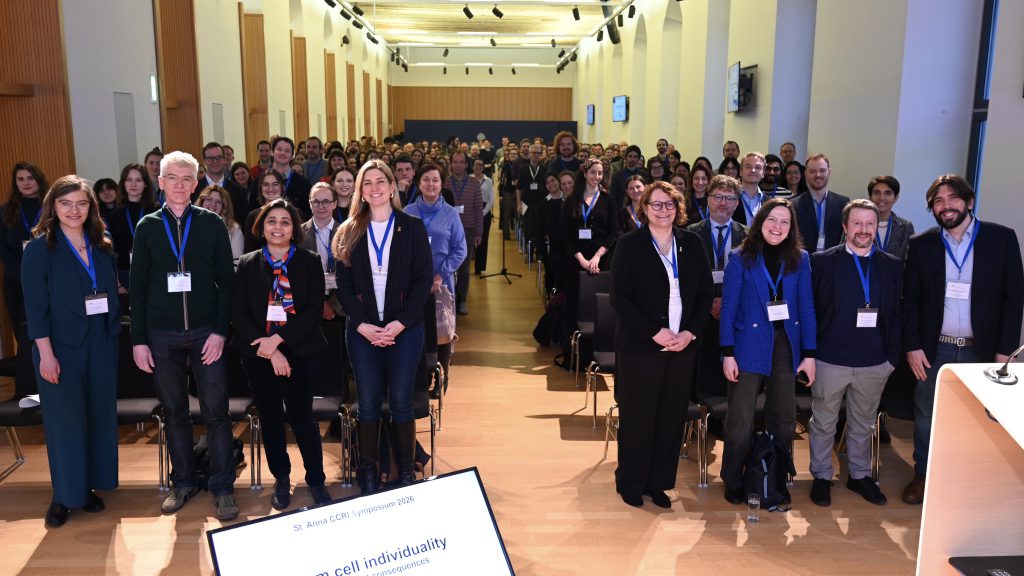
Last Friday, we hosted the second edition of the St. Anna CCRI Symposium. Organized by Principal Investigators Davide Seruggia, Polina Kameneva, and Florian Halbritter, this year’s symposium focused on Cell Fate in Cancer and Development. 

Childhood cancer often stems from developmental errors that cause cells to get stuck when deciding their fate. For this reason, understanding how cell fate is established during development and what can go wrong in this process is essential to studying how childhood cancer first appears. 

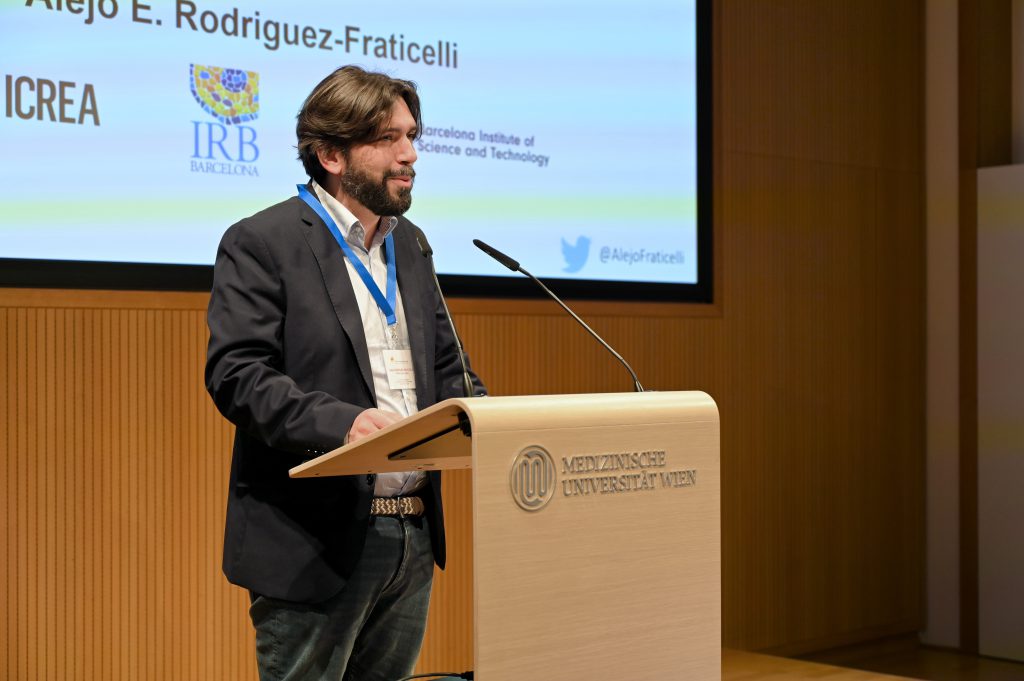
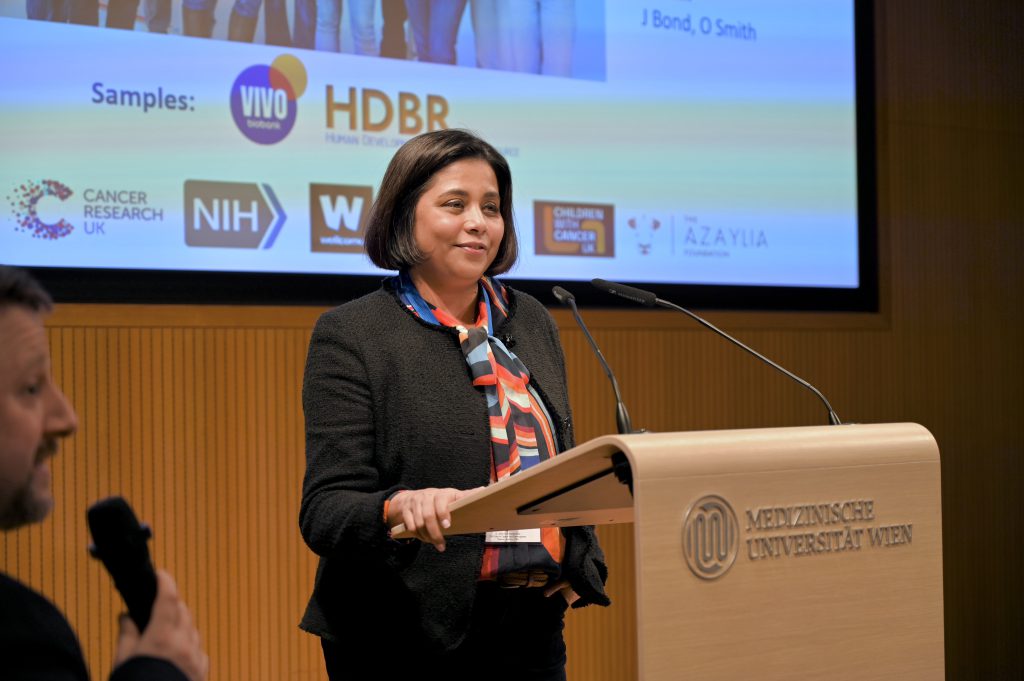
With a mixed program featuring talks from developmental biologists James Briscoe (The Francis Crick Institute) and Emma Andersson (Karolinska Institutet), and pediatric oncology researchers Alejo Rodriguez-Fraticelli (Institute for Research in Biomedicine Barcelona) and Anindita Roy (University of Oxford), the event aimed to bridge the gap between the two research fields and foster new collaborations. 

Bringing these world-leading experts to Vienna is a great opportunity to get their invaluable feedback on our research,” explained Davide Seruggia. “Collaborations started already from the first conversation, because we invited people we’d really like to work with”. 

To complement these talks and connect them with the research and mission of the St. Anna CCRI, Scientific Co-Director Eleni Tomazou and Principal Investigator Florian Halbritter presented their latest research on pediatric cancer. 

By bridging developmental biology and pediatric cancer research, the symposium aims to foster new collaborations that can impact pediatric cancer treatment. As Speaker Alejandro Rodriguez-Fraticelli puts it: “By building better models and tools to study the cellular origins of childhood cancer, we can leverage what we learn to treat it better.” 
Connecting the Viennese scientific community 

The event was attended by around 200 researchers from St. Anna CCRI and other Viennese research institutions, including the Research Center for Molecular Medicine, the Institute for Molecular Biotechnology and the Medical University of Vienna.  

It’s great to see all these talented scientists being interested in our symposium,” commented Polina Kameneva. “It’s a fantastic opportunity to discuss ideas and come up with new collaborative research projects”.  
St. Anna CCRI Workshop Brings Together International Neuroblastoma Scientists 

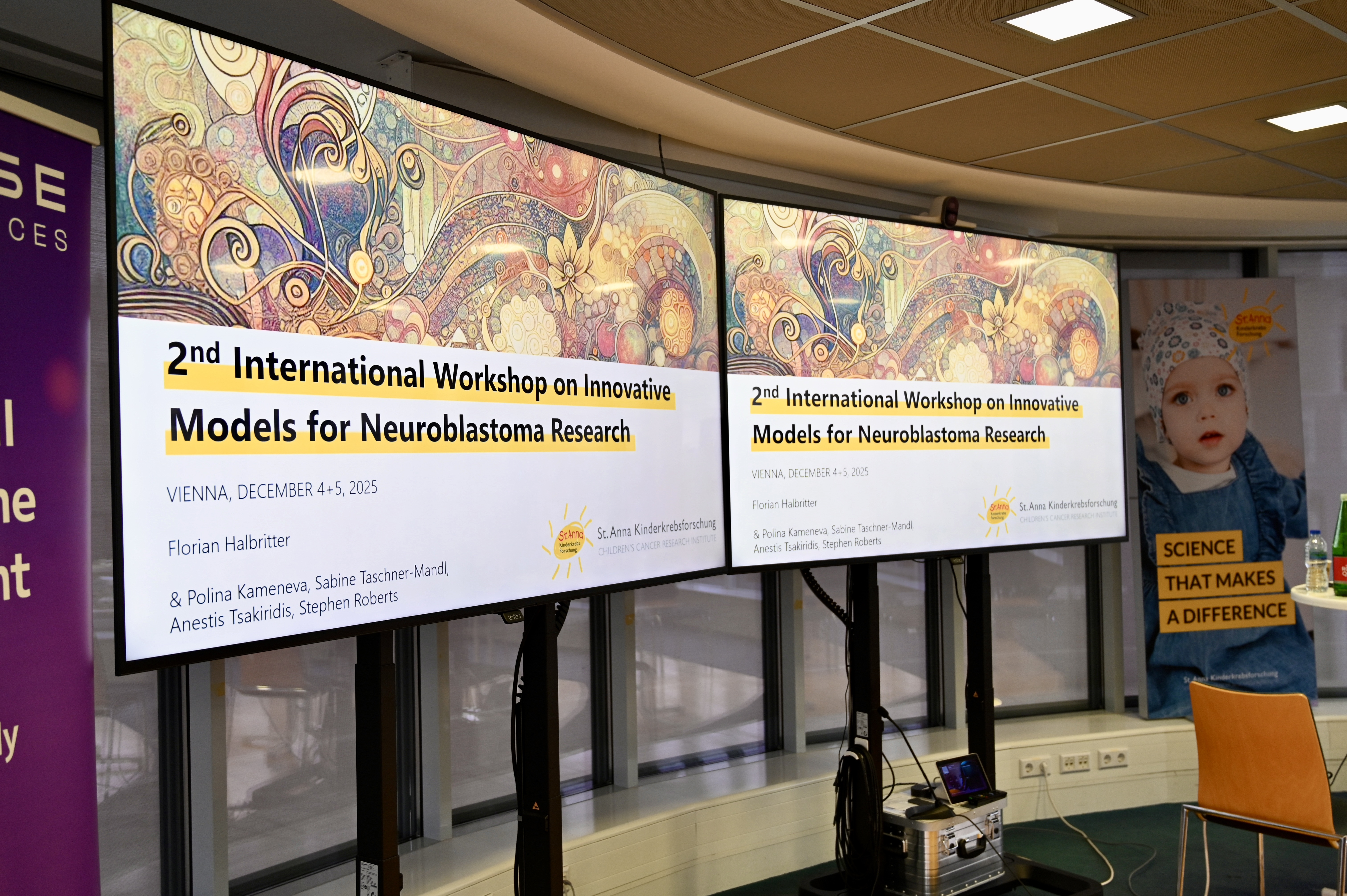
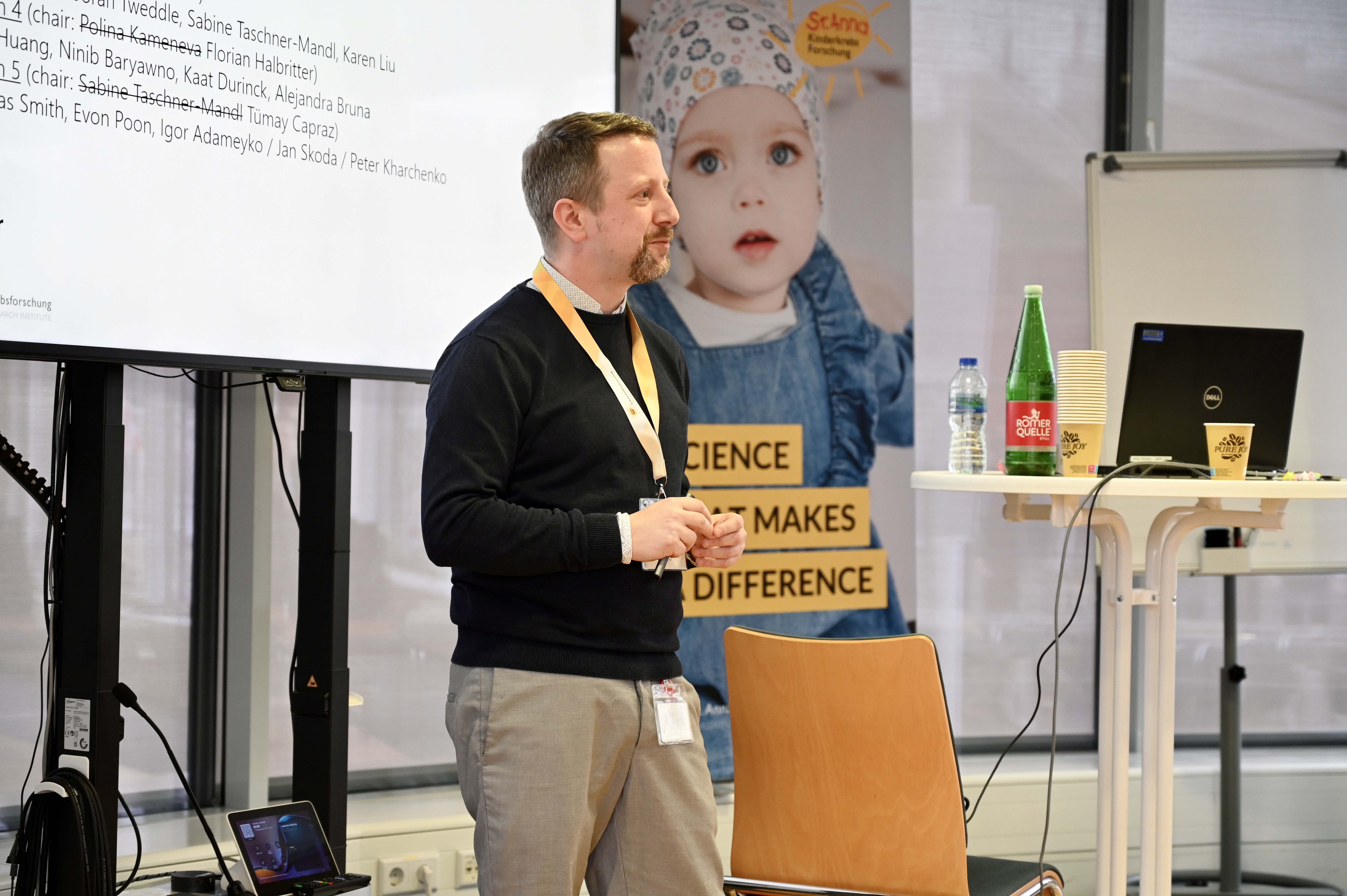
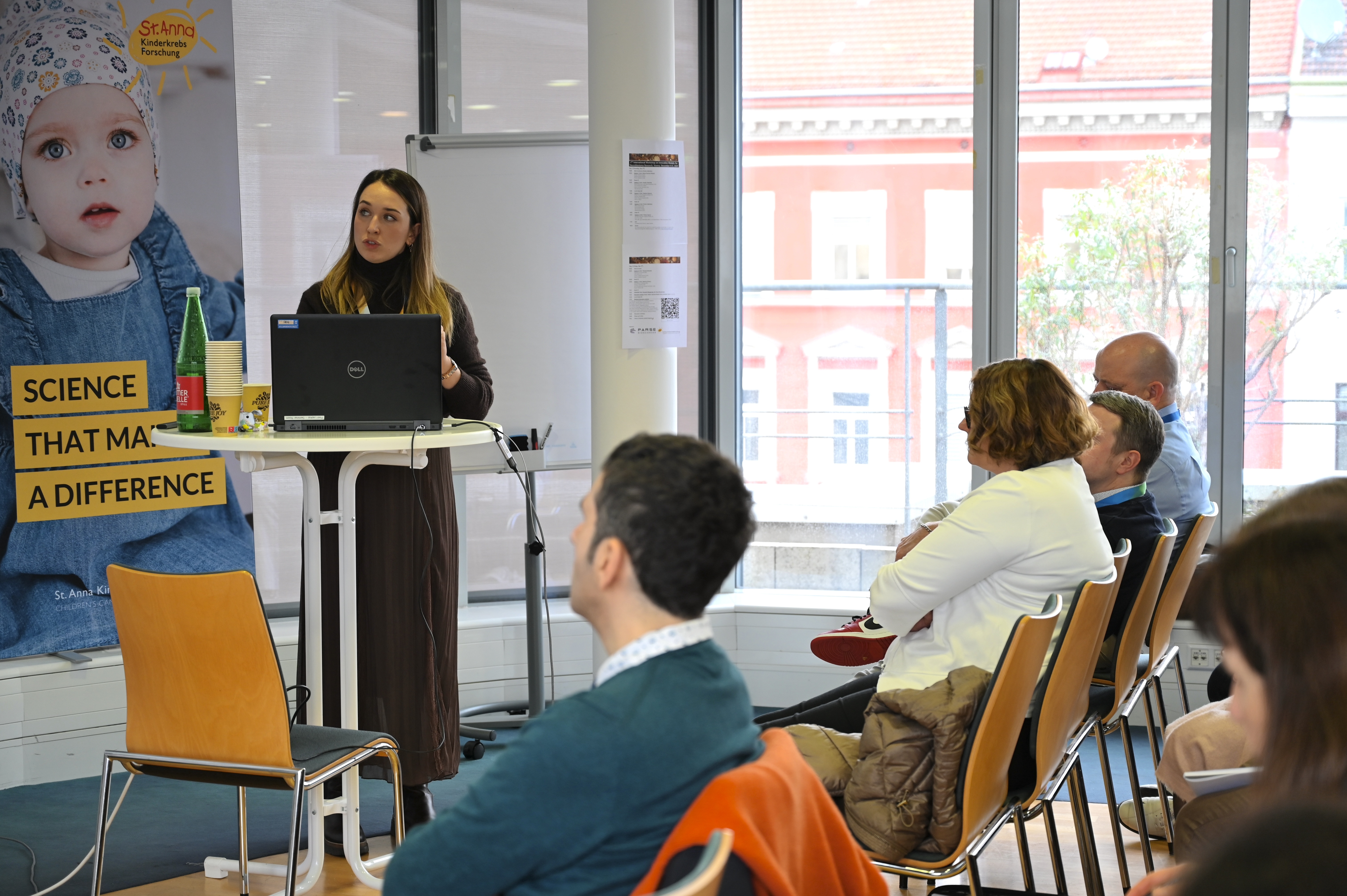
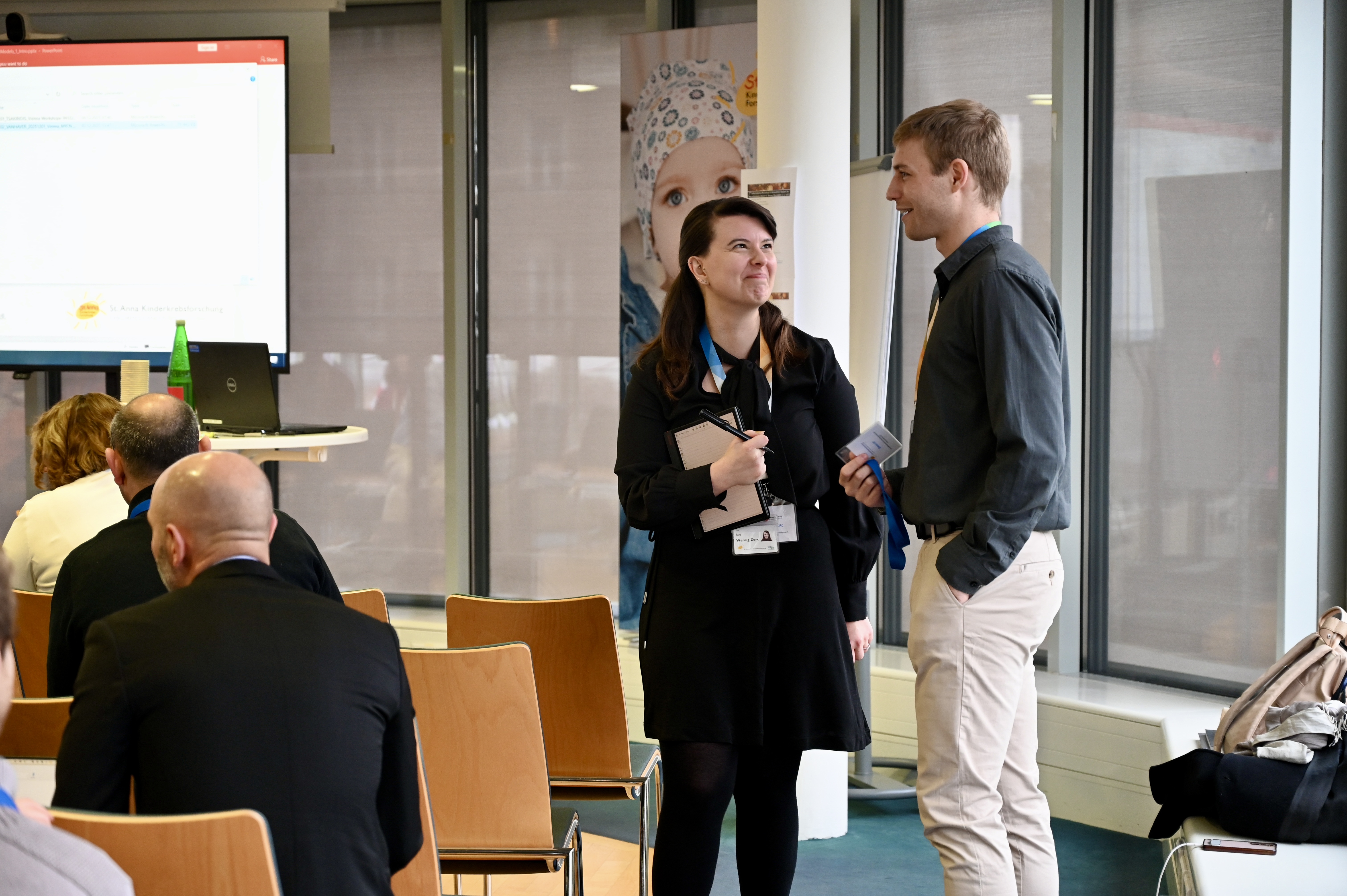
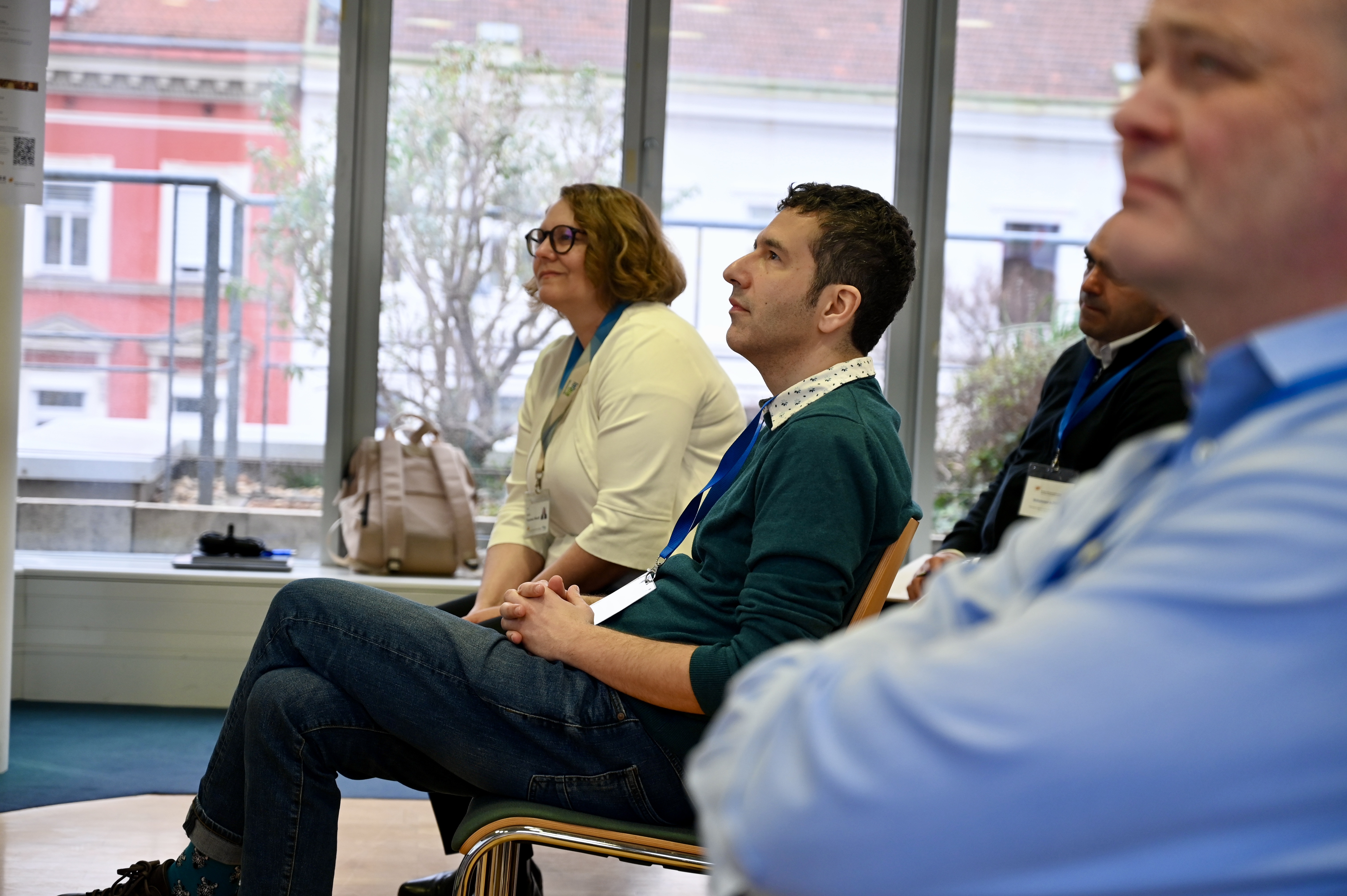
Hosted by St. Anna Children’s Cancer Research Institute Researchers Florian Halbritter, Polina Kameneva and Sabine Taschner-Mandl, the 2nd International Workshop on Innovative Models for Neuroblastoma Research brought together more than 70 scientists from 28 laboratories across 8 countries.

Over two days, the program featured multiple scientific sessions, flash talks from experts in the field and inspiring discussion rounds designed to foster exchange across disciplines. 

Breakout sessions enabled participants to dive deeper into shared challenges, explore different perspectives from across the international community, and identify potential pathways for collaboration that can shape upcoming research initiatives and strengthen long-term scientific networks.

The workshop highlighted the strength of international collaboration: bringing diverse perspectives together to accelerate progress and shape the future of neuroblastoma research.

Stop through SPOP: Vienna-based Researchers Develop Strategy Against Aggressive Blood Cancer

(Vienna, November 2025) Acute myeloid leukemia (AML) with NUP98 fusions (NUP98-r) is an aggressive form of blood cancer. It is caused by a chromosomal rearrangement that abnormally fuses the NUP98 gene with other genes, resulting in the formation of NUP98 fusion oncoproteins. Until now, there have been no therapeutic strategies to directly inactivate NUP98 fusion oncoproteins. Researchers from the University of Veterinary Medicine Vienna, St. Anna Children’s Cancer Research Institute, and the CeMM Research Center for Molecular Medicine have achieved a breakthrough: they identified the protein SPOP as a direct regulator of the stability of NUP98 fusion oncoproteins, providing a potential target for new therapies. The study was published in the prestigious scientific journal Cell Reports.

When blood cancer in children progresses particularly aggressively, it is often due to a genetic defect: a gene fusion, such as the NUP98 fusion oncoprotein, which drives uncontrolled cell growth. Standard therapies are often ineffective against this form of acute myeloid leukemia (AML). A promising therapeutic approach for this type of blood cancer is the targeted degradation of these cancer-causing fusion oncoproteins. However, the molecular mechanisms controlling the stability of NUP98 fusion oncoproteins were previously unknown.

Using the CRISPR/Cas9 gene-editing tool, the research team led by Florian Grebien, Professor of Medical Biochemistry at Vetmeduni and research group leader at the St. Anna Children’s Cancer Research Institute, searched for genes that influence the stability of the cancer-causing NUP98 fusion protein. They discovered the protein SPOP (E3 ligase Speckle-Type POZ Protein) as a central regulator: it controls the stability of the NUP98 fusion protein and simultaneously acts as a natural tumor suppressor in NUP98-r AML. The findings reveal a novel approach to redirect the cell’s natural degradation system – the so-called ubiquitin-proteasome system. This could enable the targeted degradation of pathogenic fusion proteins in the future.

© Bubu Dujmic / CeMM

“The loss of SPOP increases the levels of NUP98 fusion oncoproteins, thereby promoting the proliferation of leukemia cells. By exploiting this specificity, we demonstrated that inducing spatial proximity between SPOP and the NUP98 fusion oncoprotein resulted in the complete degradation of the fusion oncoprotein. This induced terminal differentiation and cell death in NUP98-r leukemia cells both in vitro and in vivo,” explains the study’s senior author, Florian Grebien.

SPOP as a Tumor Suppressor in NUP98-r Leukemia

SPOP has previously been associated with several human malignancies, where it can act either as a tumor suppressor or as a cancer-promoting factor, depending on the type of cancer. In their study, the researchers observed that both pharmacological inhibition and genetic disruption of SPOP led to increased levels of NUP98 fusion oncoproteins and enhanced proliferation of leukemia cells. “Consistent with its potential role as a regulator of NUP98 fusion oncoprotein stability, SPOP expression was consistently low in NUP98-r AML patients, suggesting a tumor-suppressive role for SPOP in NUP98-r leukemia,” says the study’s first author, Ecem Kirkiz from the Vetmeduni.

Foundation for New Therapies in NUP98-r AML

Since SPOP naturally binds well to NUP98 fusion proteins, the researchers took the next step by developing synthetic molecules called bioPROTACs. BioPROTACs are laboratory-designed biological molecules that specifically bring the two proteins together, triggering the degradation of the cancer-causing protein. The expression of an SPOP-bioPROTAC led to the efficient and complete degradation of the NUP98 fusion oncoprotein within 24 hours, promoted the terminal differentiation of leukemia cells, and induced an apoptotic response in cell cultures and in vivo.

“Our study identifies SPOP as a novel tumor suppressor in NUP98-r AML, pioneers the application of proximity-inducing agents for the degradation of oncogenic fusion proteins and lays the foundation for the development of therapeutically relevant PROTACs to combat NUP98 fusion oncoproteins and beyond,” says Ecem Kirkiz, highlighting the milestone achieved in the research of NUP98-r leukemia.


The study „Harnessing the E3 ligase SPOP for targeted degradation of the NUP98::KDM5A fusion oncoprotein“ by Ecem Kirkiz, Gabriel Kaufmann, Simone Bergqvist, Pablo Fernández-Pernas, Thomas Eder, Laura Quell, Melanie Allram, Gabriele Manhart, Wencke Walter, Torsten Haferlach and Florian Grebien was published in „Cell Reports“.

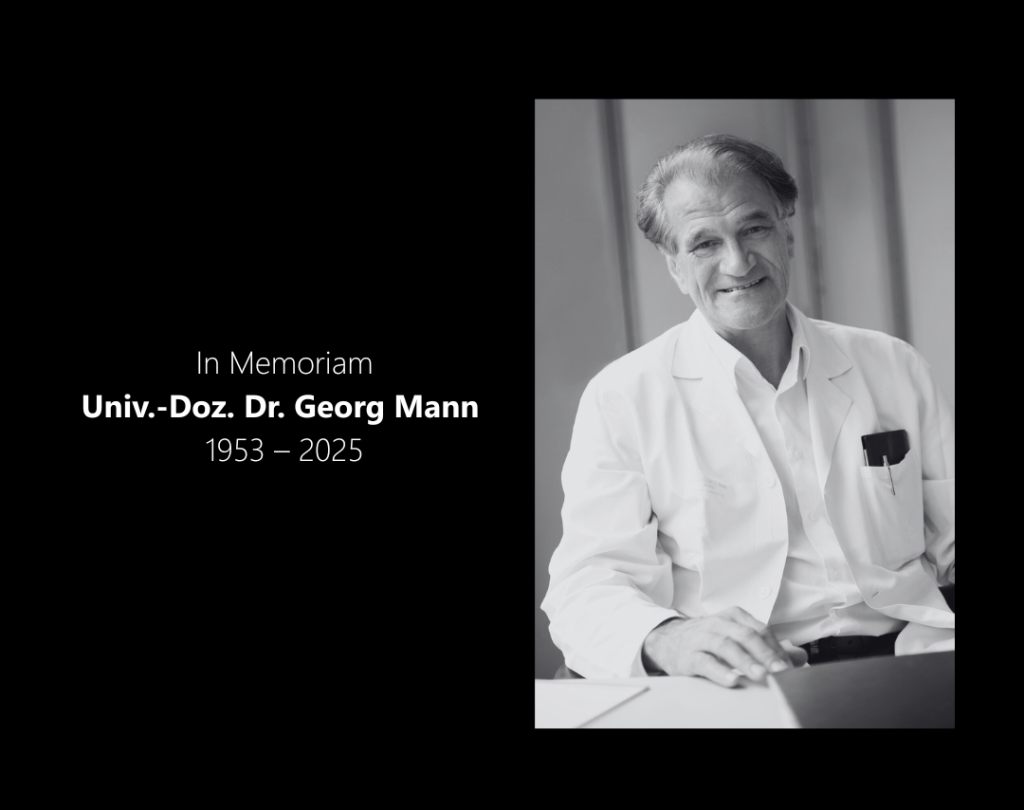
In Memoriam Priv.-Doz. Dr. Georg Mann

It is with deep sadness that we bid farewell to Priv.-Doz. Dr. Georg Mann, who passed away on November 1, 2025, at the age of 72. With his passing, we have lost an outstanding physician, researcher, and teacher who had a significant impact on pediatric hematology and oncology in Austria for decades. Georg Mann was born in Vienna in 1953. After studying medicine at the University of Vienna, he trained in internal medicine and clinical research before beginning his specialization in pediatrics at St. Anna Children’s Hospital in 1987—the place that became his professional home. Since 1992, Dr. Mann coordinated Austrian studies on the treatment of acute lymphoblastic leukemia and lymphoma in children. In 1994, he received his specialist certification in pediatrics, and in the same year he became a senior physician at St. Anna Children’s Hospital. His work combined clinical excellence with scientific precision and tireless dedication to sick children.

Dr. Mann co-authored more than 150 scientific publications and, through his research and participation in international study groups, shaped the treatment of childhood leukemia and lymphoma far beyond the borders of Austria.

In 2009, he was appointed private lecturer at the Medical University of Vienna and was heavily involved in training and supporting young colleagues. Many of his former students and colleagues remember his warm personality, his clear communication, and his ability to convey knowledge with passion. From 2010 to 2012, Dr. Mann was Medical Director of St. Anna Children’s Hospital, then Deputy Medical Director until 2019. During these years, he worked with great vision for the further development of the hospital and the promotion of clinical research. His name remains inextricably linked with the high quality of pediatric oncology care in Austria and beyond.

In addition to his medical and scientific work, Georg Mann was a member of the Austrian Society for Pediatrics and Adolescent Medicine and the Austrian Society for Hematology and Oncology. As a reviewer for renowned journals—including the New England Journal of Medicine, Leukemia, and Blood—he contributed to the quality assurance of scientific work worldwide.

We will remember Priv.-Doz. Dr. Georg Mann as a highly esteemed colleague, conscientious physician, and wonderful person. His commitment, collegiality, and care remain an example to us all.

Our deepest sympathy goes out to his family, friends, and all who knew and cherished him.

Chatting with Your Cells: Natural-Language AI for Single-Cell Data Analysis

Single-cell sequencing provides great insights into the inner workings of cells – but making sense of the data requires advanced bioinformatics skills. Researchers at CeMM, Medical University of Vienna, and St. Anna Children’s Cancer Research Institute have now developed an artificial intelligence (AI) method and software tool that lets scientists explore such datasets through natural-language conversations – speaking English with the computer instead of having to learn a programming language. This study, published in Nature Biotechnology, illustrates how modern AI makes biomedical research more accessible and effective.

Using sophisticated RNA sequencing technology, biomedical researchers can measure the activity of our genes across millions of single cells, creating detailed maps of tissues, organs, and diseases. Analysing these datasets requires a rare combination of skills: deep understanding of the biology, and the ability to develop computer code that turns data into insights. What if we could equip biomedical researchers with an AI assistant that sees the data, supports the analysis, knows about the biology, and is easy to talk to? This could give scientists a virtual, AI-based colleague with both biological and bioinformatics expertise to support them in their research.

Toward this goal, researchers led by Christoph Bock, Principal Investigator at the CeMM Research Center for Molecular Medicine of the Austrian Academy of Sciences and Professor at the Medical University of Vienna, have developed CellWhisperer. CellWhisperer is an AI method and software tool that links gene expression with descriptive text across more than a million biological samples. It provides an AI chat box to investigate complex biology in English language, unburdened by the complexities of computer code. This study, published in Nature Biotechnology, demonstrates how AI creates a new way for scientists to interact with their data when studying the biological foundations of diseases.

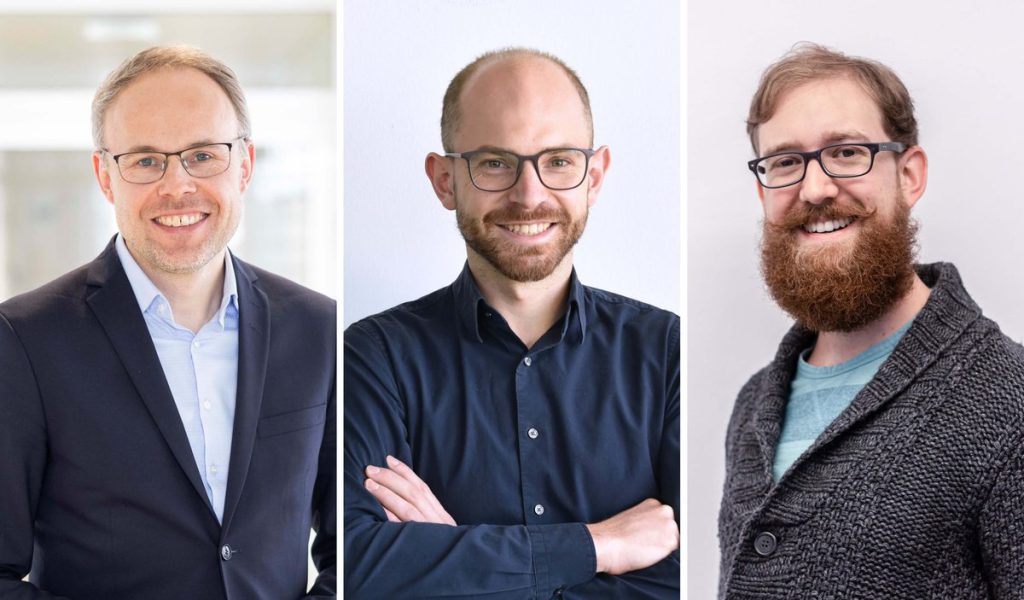
Main authors of the study (left to right): Christoph Bock, Moritz Schaefer, Peter Peneder (© Bubu Dujmic / CeMM / St. Anna CCRI)

From genes to text – and vice versa

CellWhisperer uses multimodal deep learning on gene activity profiles and matched biological text, which the authors curated from public databases with the help of AI models. Combining these two data modalities, it becomes possible to search massive datasets with text-based queries such as “Show me immune cells from the inflamed colon of patients with autoimmune diseases”.

The CellWhisperer multimodal AI further integrates a large language model that was trained to emulate discussions between biologists and bioinformaticians when analysing data. Chatting with CellWhisperer thus sounds a bit like talking to a bioinformatics colleague, relying on CellWhisperer’s view of the biological data and the biological knowledge of the large language model. For example, users can ask CellWhisperer about genes that are active in cells of interest, and let the model comment on potential biological implications. CellWhisperer is built into a user-friendly web frontend based on the popular CELLxGENE browser and freely accessible online: https://cellwhisperer.bocklab.org.

“By training on experimental data of 20,000 studies from the last two decades, CellWhisperer learned about the biological roles of genes and cells,” explains co-first author Moritz Schaefer, a former Postdoctoral Researcher in Christoph Bock’s research group at CeMM and now at Stanford University. “This way, CellWhisperer is prepared to analyse new single-cell RNA sequencing data from many areas, making biomedical data exploration easier and more exciting.”

A step toward AI research agents

To illustrate CellWhisperer’s potential for biological discovery, the team applied it to single-cell RNA sequencing data of human embryonic development. With basic queries such as “heart” or “brain”, the model identified developmental time points, cell populations, and marker genes associated with human organ formation. Many of these markers matched known developmental genes, while others pointed to previously overlooked candidates.

“CellWhisperer is not just making biomedical research easier, it helps me understand what is going on in the cells that I am studying,” says Peter Peneder, co-first author at the St. Anna Children’s Cancer Research Institute. 

“Science is teamwork, and with CellWhisperer, an AI research assistant has joined our team. CellWhisperer really helps with exploratory research – getting a first impression of a new dataset and figuring out where to dig deeper. It supports and empowers us as human scientists,” emphasizes Christoph Bock.


The study “Multimodal learning enables chat-based exploration of single-cell data” was published in Nature Biotechnology on 11 November 2025. DOI:10.1038/s41587-025-02857-9

Funding: This work was supported by the European Research Council (ERC), the Austrian Science Fund (FWF), the Vienna Science and Technology Fund (WWTF), and the Austrian Academy of Sciences.

St. Anna CCRI Appoints New Scientific Directors: Eleni Tomazou and Sabine Taschner-Mandl

(Vienna, October 2025) The St. Anna Children’s Cancer Research Institute (St. Anna CCRI) is pleased to announce the appointment of Dr. Eleni Tomazou and Dr. Sabine Taschner-Mandl, two internationally recognized experts, as new Scientific Directors. With their complementary expertise and shared dedication to childhood cancer research, Dr. Tomazou and Dr. Taschner-Mandl will lead St. Anna CCRI on its mission to advance pediatric oncology with cutting-edge research and clinical innovation.

The appointment follows a successful tenure as interim Scientific Directors, during which they strengthened St. Anna CCRI’s research strategy and fostered interdisciplinary excellence. The appointment of Dr. Tomazou and Dr. Taschner-Mandl marks an exciting new chapter in St. Anna CCRI’s unwavering work toward a future in which all childhood cancers will become curable.

“Our goal is to translate scientific discoveries into tangible benefits for young patients,” says Dr. Sabine Taschner-Mandl. “By integrating innovative diagnostics and precision therapies into clinical practice, we aim to address the urgent needs of children and adolescents with cancer. St. Anna CCRI will continue to be a driving force in clinical translation and precision medicine.”

“Understanding how pediatric cancers develop and progress is key to developing new treatment strategies,” adds Dr. Eleni Tomazou. “We are committed to fostering excellence and strengthening St. Anna CCRI’s position as an international leader in pediatric cancer research. Together with the St. Anna Children’s Hospital, we will build bridges between biomedical research and clinical care to improve survival and quality-of-life for young patients.”

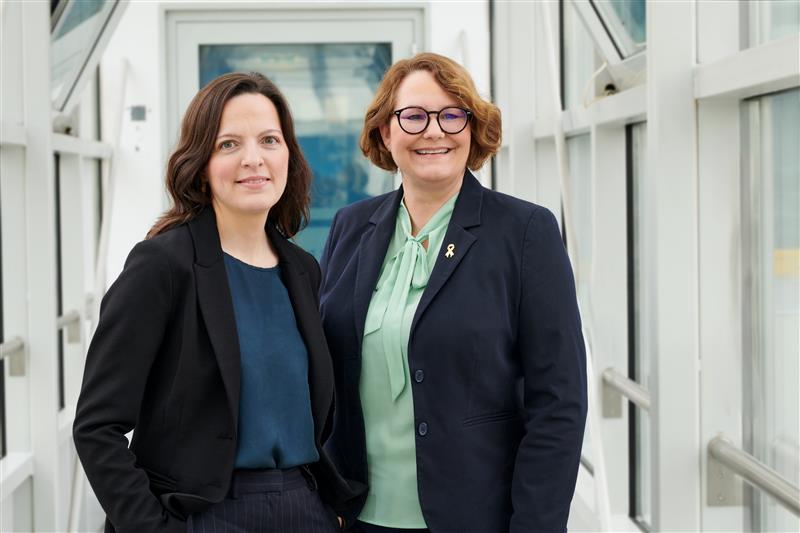
Dr. Eleni Tomazou and Dr. Sabine Taschner-Mandl appointed as Scientific Directors. ©Ela Angerer

Dr. Eleni Tomazou has led a research group at St. Anna CCRI since 2018, focusing on pediatric sarcomas – a group of rare and aggressive tumor affecting children and young adults. Her research seeks to generate insights that can be translated into more precise and less toxic therapies for these challenging cancers. She earned her PhD at the Wellcome Sanger Institute (Cambridge, UK) and the University of Cambridge (UK) and completed her postdoctoral training at the Broad Institute and Harvard Department of Stem Cell and Regenerative Biology (Cambridge, USA). She has received several prestigious awards, including an ERC Consolidator Grant. She is also Assistant Professor of Sarcoma Biology at the Medical University of Vienna.

Dr. Sabine Taschner-Mandl heads an interdisciplinary research group at St. Anna CCRI focusing on high-risk neuroblastoma, cancer metastasis, and the development of diagnostic and prognostic markers for precision oncology. Her team uses advanced single-cell, imaging and AI technologies to explore tumor cell plasticity and the microenvironment. She earned her PhD at the University of Vienna (Austria) and completed postdoctoral training at the Medical University of Vienna (Austria) and at several leading international institutions. She holds leadership roles in major pediatric oncology networks, including the Executive Board and Biology Committee of SIOPEN and the International Neuroblastoma Risk Group (INRG).

“The new scientific leadership duo – with its commitment to scientific excellence, collaboration and teamwork, and clinical impact – will continue the successful path of St. Anna CCRI and bring new momentum,” says Univ.-Prof. DDr. Caroline Hutter, Head of St. Anna CCRI, Medical Director of St. Anna Children’s Hospital and Professor of Pediatric Oncology at the Medical University of Vienna.

The Board of St. Anna CCRI adds: “Eleni Tomazou and Sabine Taschner-Mandl have already shaped the institute in their role as interim Scientific Directors and set important strategic directions. They now assume full responsibility for leading St. Anna CCRI toward a great future.”

Under the leadership of the new Scientific Directors, St. Anna CCRI will expand its commitment to precision oncology, innovative diagnostics, and biomedical research on childhood cancers, and it will strengthen its links with the St. Anna Children’s Hospital and its embedding in European and global research networks dedicated to improving treatment for kids with cancer.

Career Paths in Biomedical Science

Insights from St. Anna CCRI’s First Open House Event

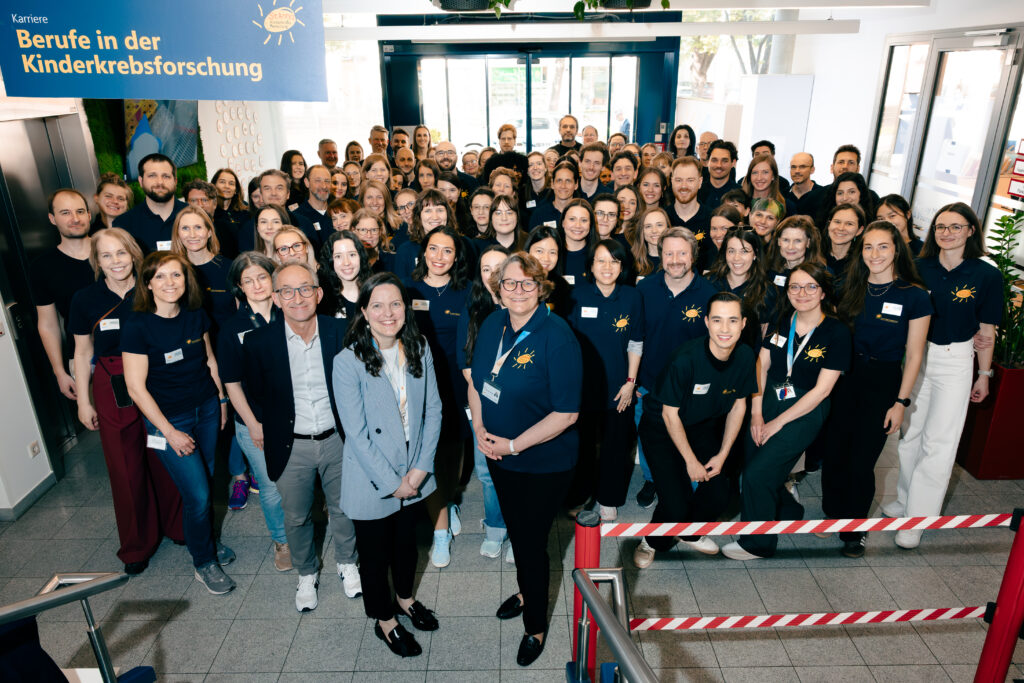
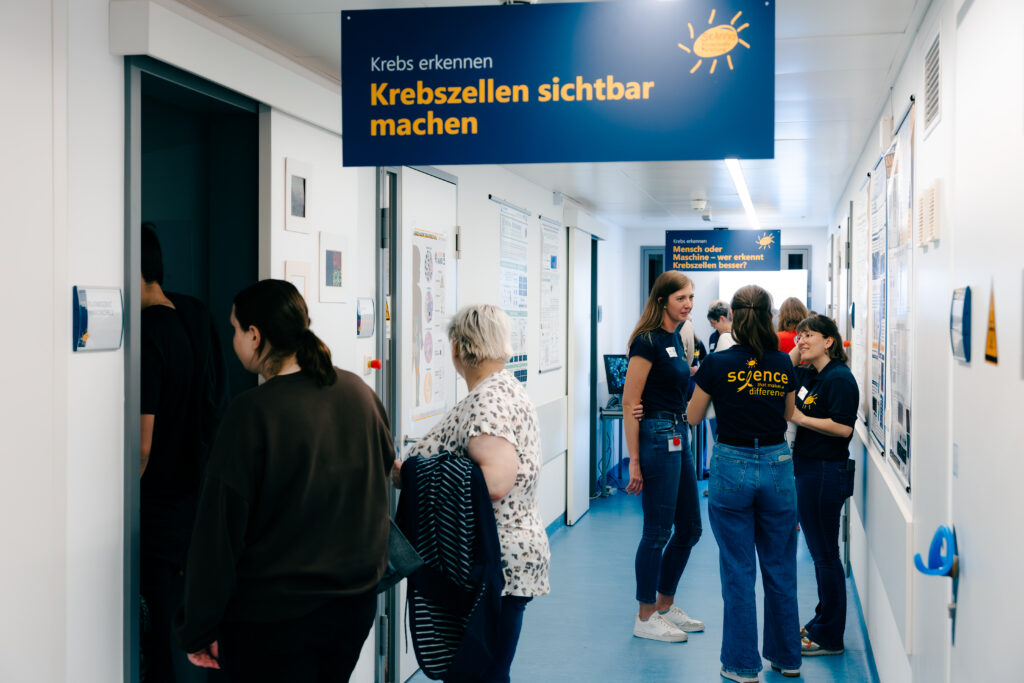
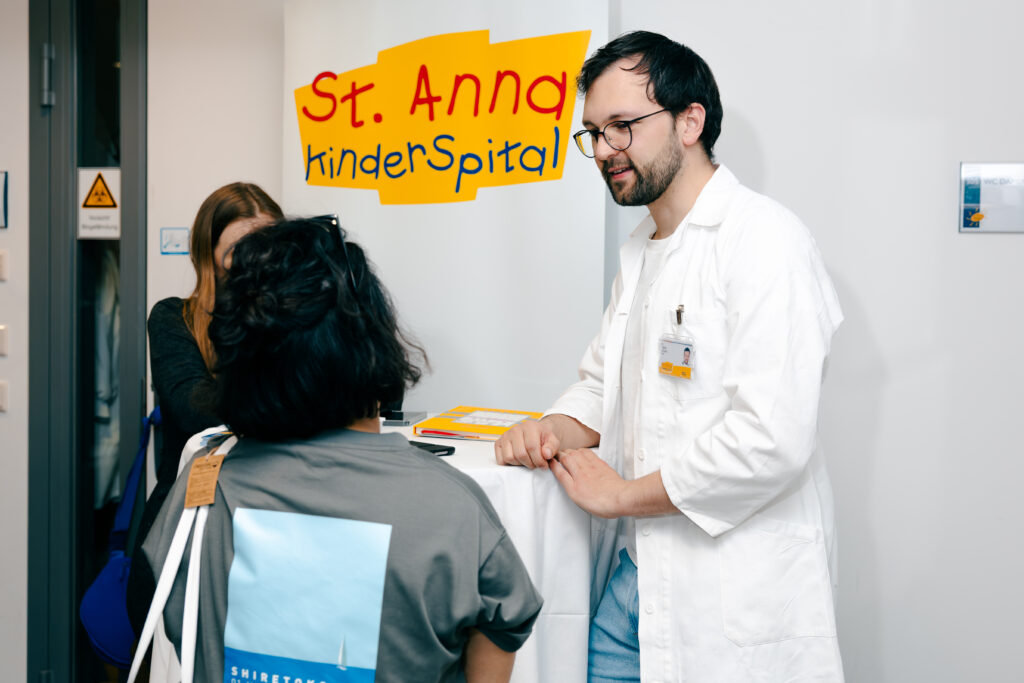
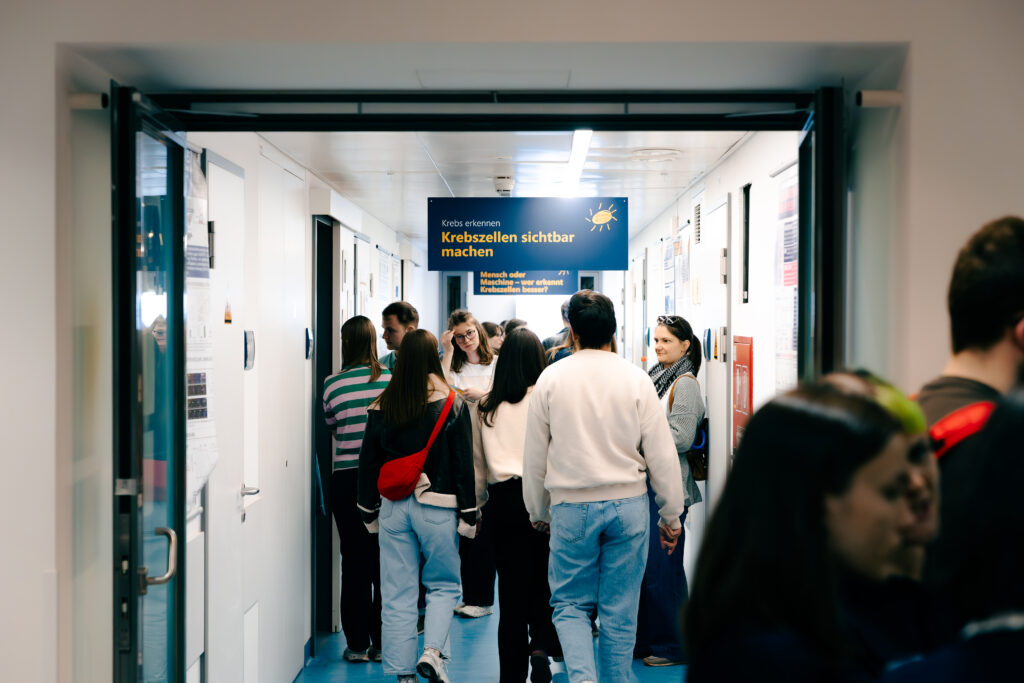
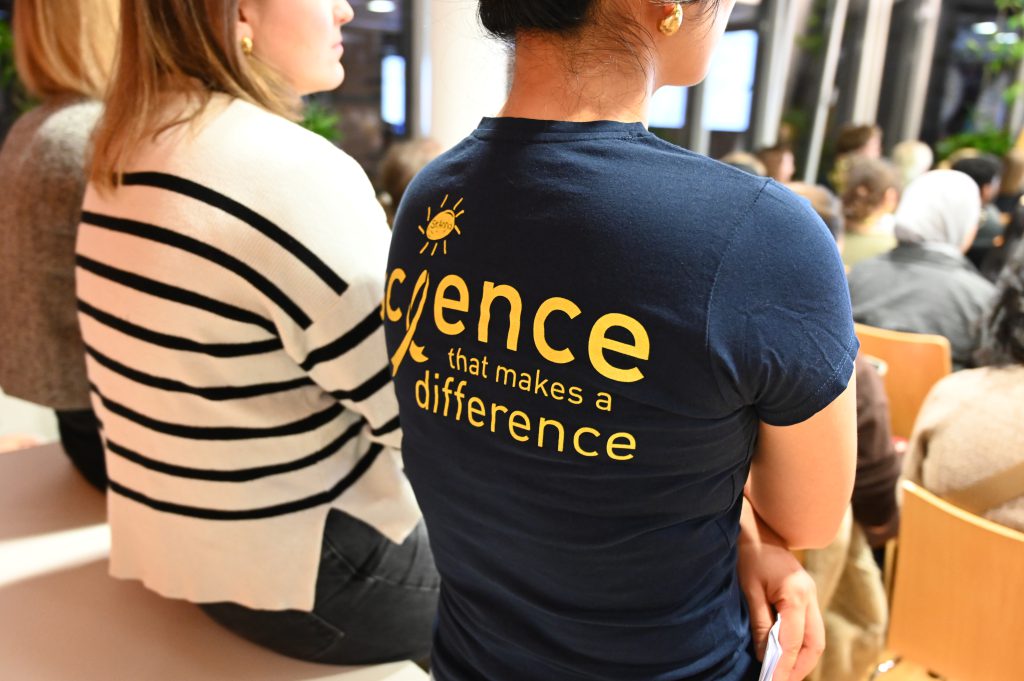
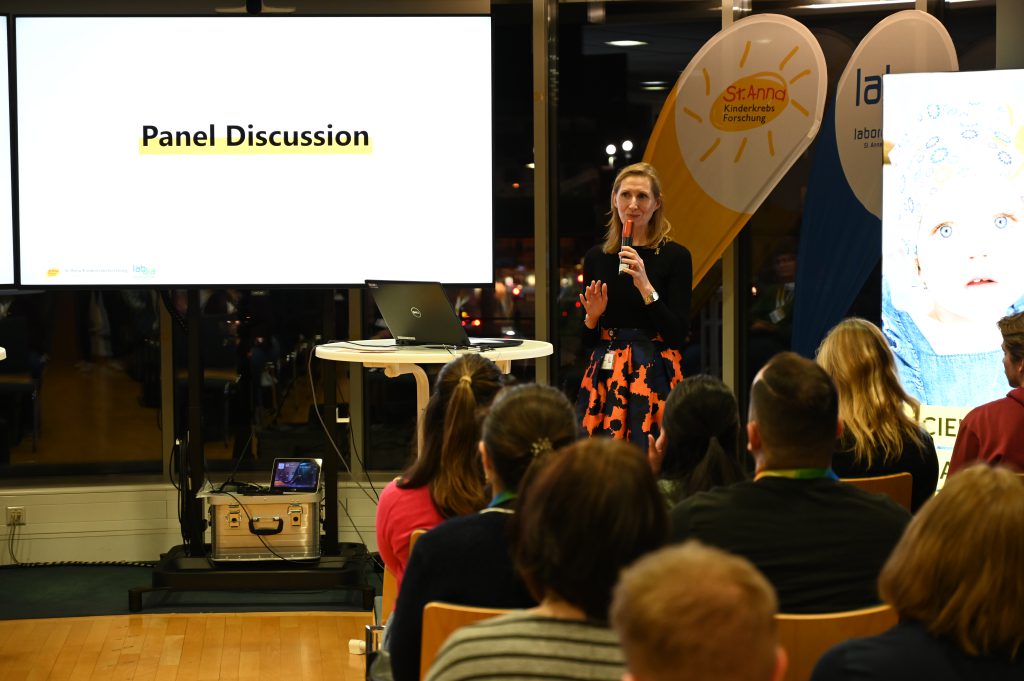
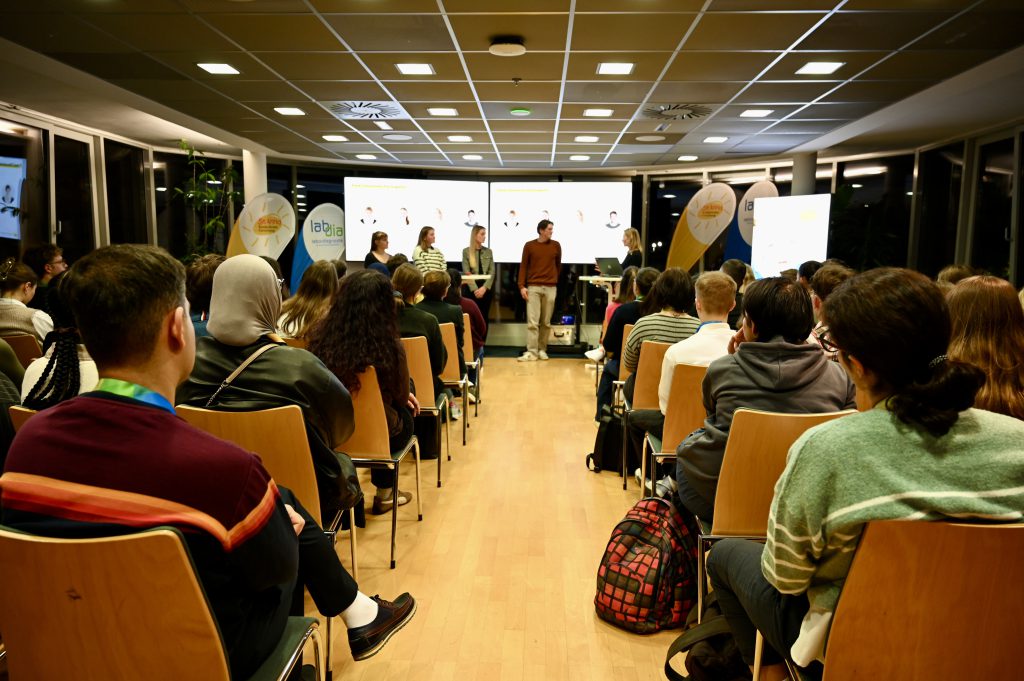
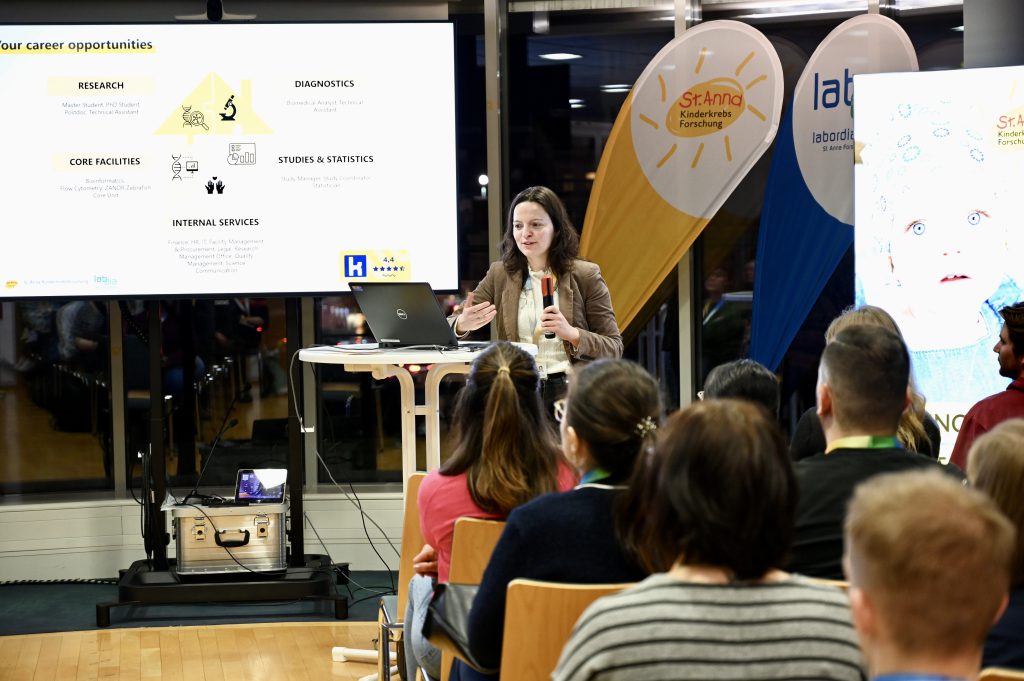
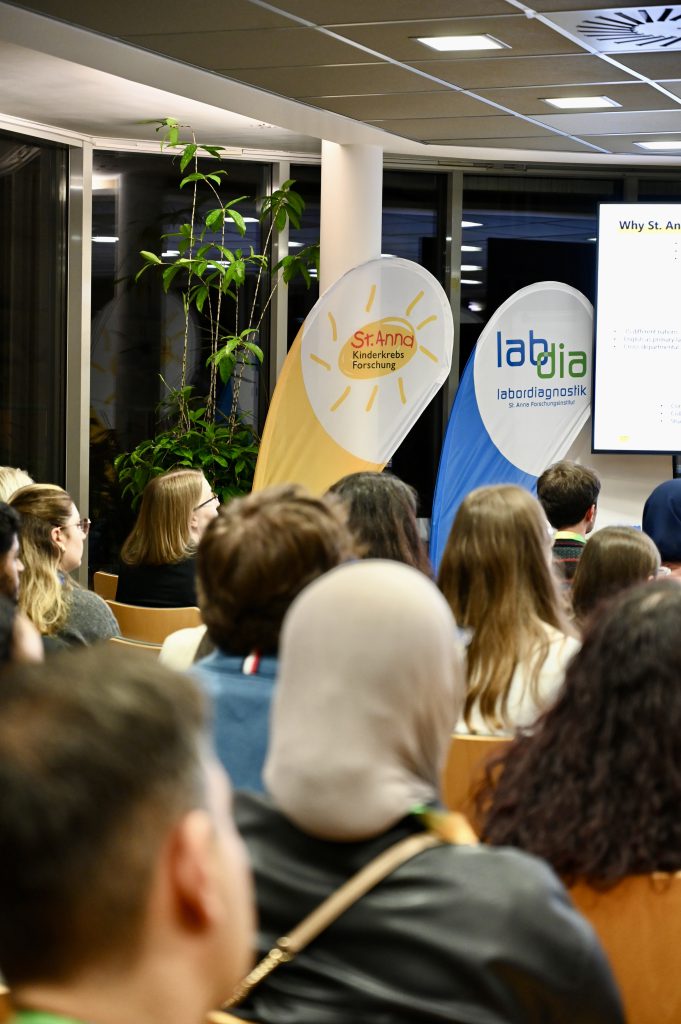
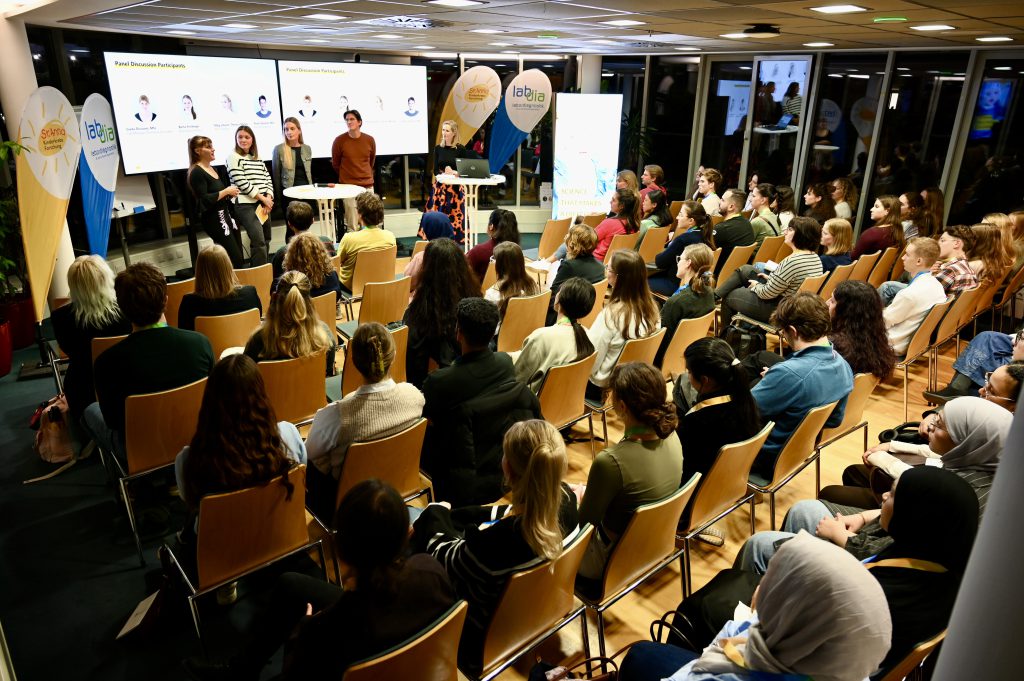
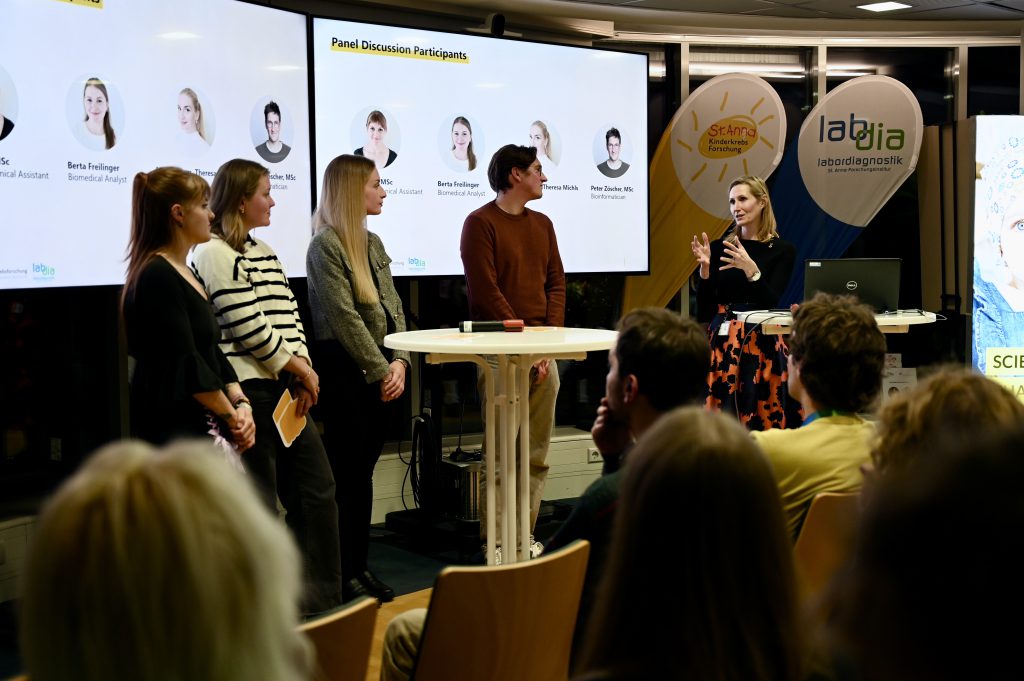
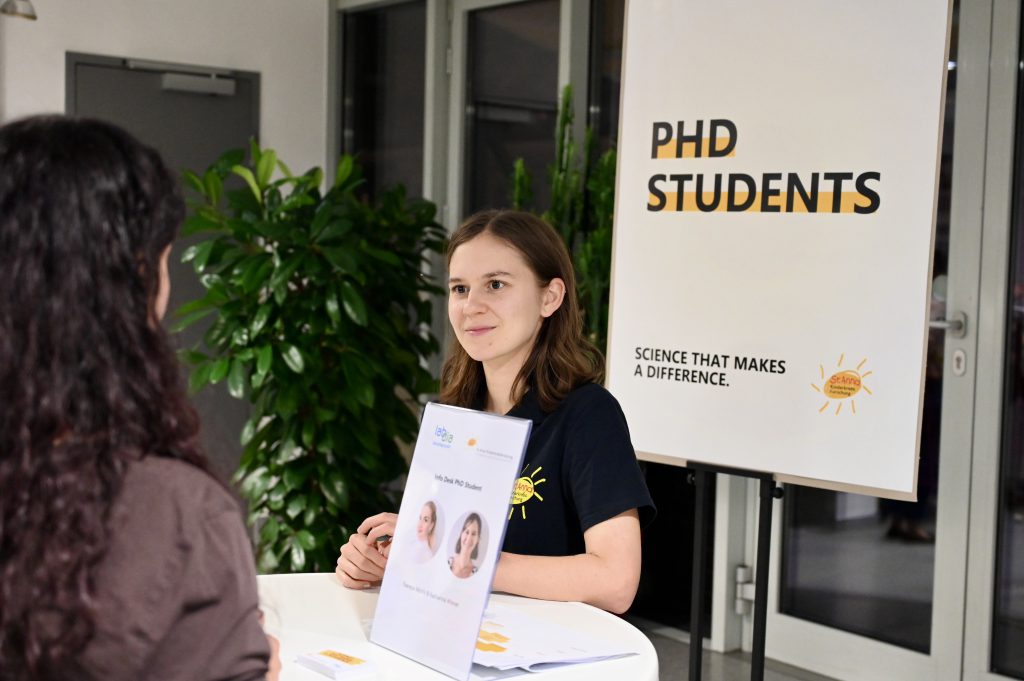
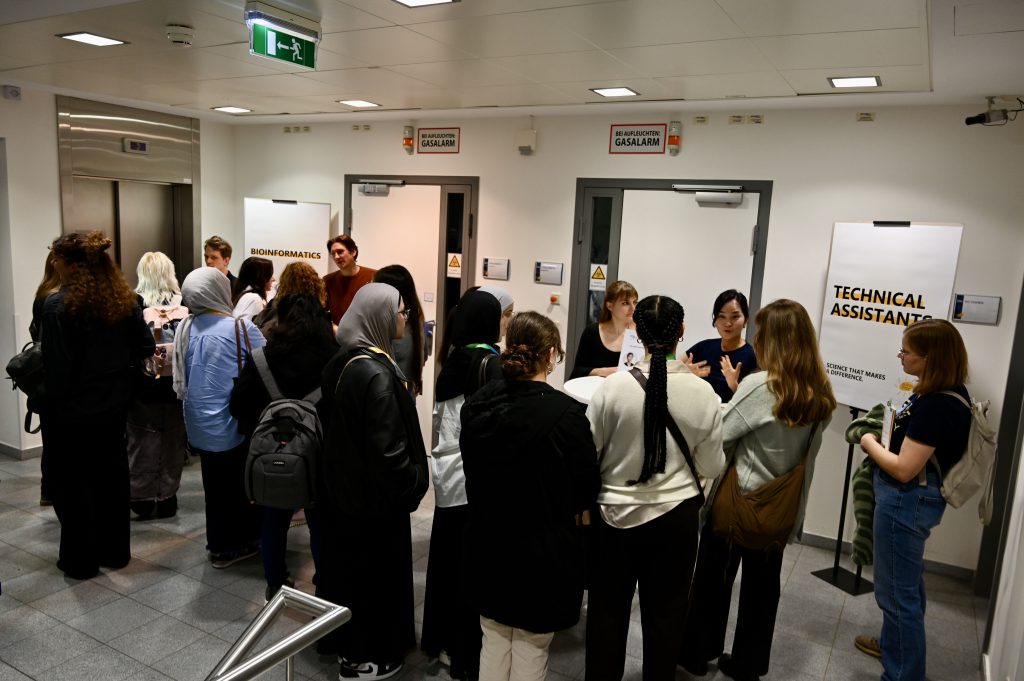
St. Anna Children’s Cancer Research Institute (St. Anna CCRI) recently opened its doors for a career-focused evening designed to give young people insight into the diverse professional opportunities in biomedical science. The event attracted participants at various career stages for an evening of panel discussions, networking, and a glimpse in the lab.

“We want to attract talent,” says Scientific co-Director Eleni Tomazou in the opening speech, in which she and Scientific co-Director Sabine Taschner-Mandl introduce the institute to the participants of the HR Open House event. The diverse audience reaches from high school students exploring their options to Master’s students, PhD candidates, postdocs, and early-career professionals considering their next steps in biomedical science.

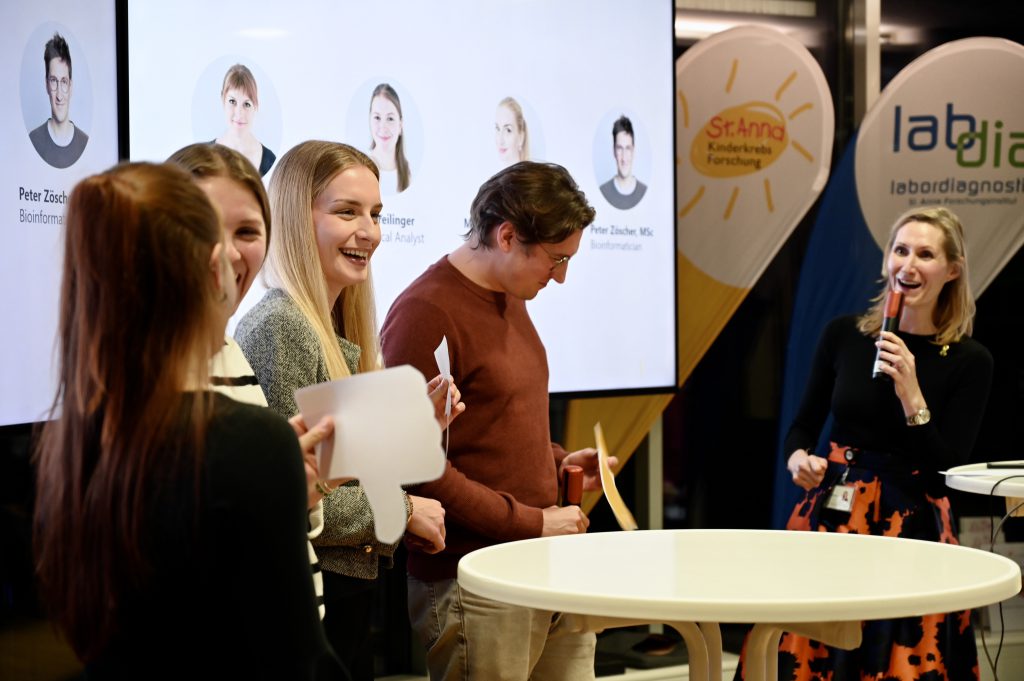
After the welcoming remarks Head of HR Karin Hartl-Schmitzer guided the attendees through the program, which featured perspectives from four professionals representing different career stages and roles in biomedical science.

From Unexpected Beginnings to Meaningful Careers

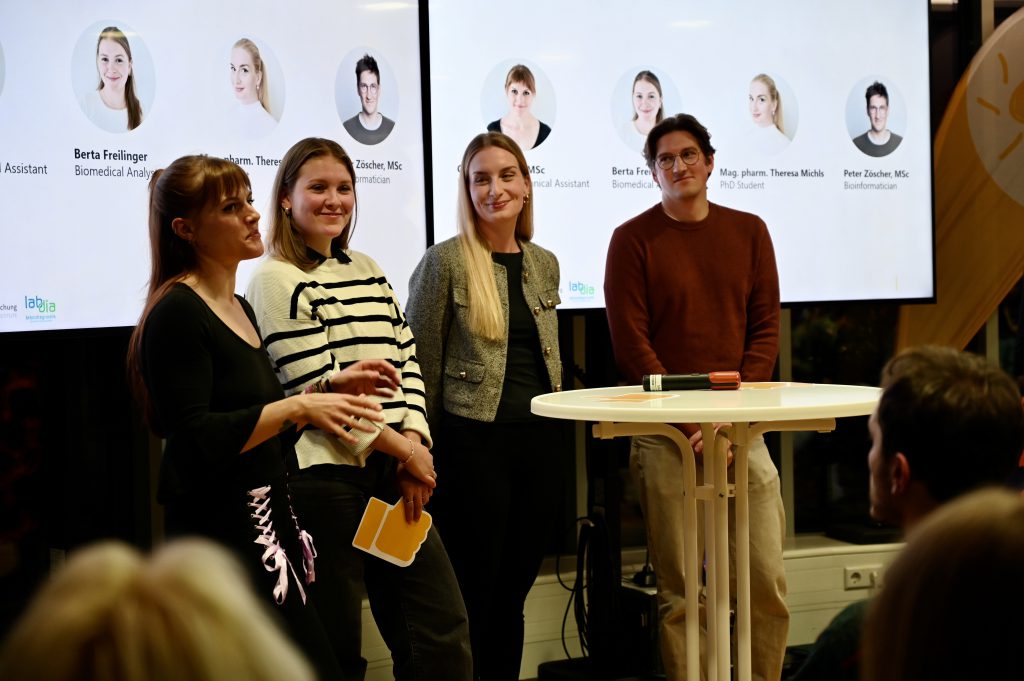
One of the evening’s most striking revelations was how rarely career paths follow a straight line. “I went to a fashion school, actually,” Theresa shares as she stands next to her three colleagues on the panel at St. Anna CCRI. “But then along the way, I realized I’m not so interested in sewing and designing, but really in science.” Now a PhD student working in translational research, Theresa’s journey from fashion school to pharmacy studies to cancer research exemplifies that, as the panelists emphasized, “nothing is impossible.”

Peter, a bioinformatician at the institute, shared a similar story of discovery. “I didn’t really have a dream job,” he admitted. “Only through my studies I learned about the profession of a bioinformatician.”  After starting in molecular biology, he gradually discovered his passion for computational work and made the switch from wet lab to computer-based research.

The Reality of Working in Biomedical Research

The panel discussion provided practical insights into daily work across different roles. Berta, a Biomedical Analyst in Labdia Labordiagnostik, a subsidiary of St. Anna CCRI located right next to the research building, emphasized the immediate impact of her work: “You actually have an impact right away. You are making a diagnosis that gets to the patient within a couple of days — so it is really rewarding” This direct connection to patient care represents one of the most fulfilling aspects of jobs in biomedical science at St. Anna CCRI, which is connected to the St. Anna Children’s Hospital through a bridge.

Giada, who serves as both Technical Assistant and Lab Manager, highlighted the collaborative culture that defines the institute: “In my job I am always communicating with someone. My team is very great, we communicate a lot, if there is something to discuss we discuss immediately.” This spirit of mutual support extends throughout the organization. Researchers in need of materials, whether antibodies, enzymes, or other supplies, can reach out via the institute-wide mailing list and typically receive help within minutes. As one panelist noted, “compared to a bigger institute, where it might feel isolated, here you feel way more connected.”

Essential Advice for Aspiring Researchers

Throughout the discussion, panelists addressed questions that matter most to young professionals entering the field. When asked about the technical demands of bioinformatics, Peter estimated that coding comprises approximately 75% of his daily work, with the remainder dedicated to meetings and documentation.

For those considering a PhD, Theresa offered particularly valuable guidance. “I always knew I only want to do a PhD if I find a project that is super exciting to me, because you will be working on it so much.” She emphasized the importance of genuine passion, explaining that “there will be phases when you are not so excited about your project anymore, so you need this initial excitement to still keep going.” Equally critical is choosing the right environment: “Really choose a PI you get along with well and generally a group where you think you will fit in nicely, because you will spend so much time working together with your colleagues.”

Exploring the Institute

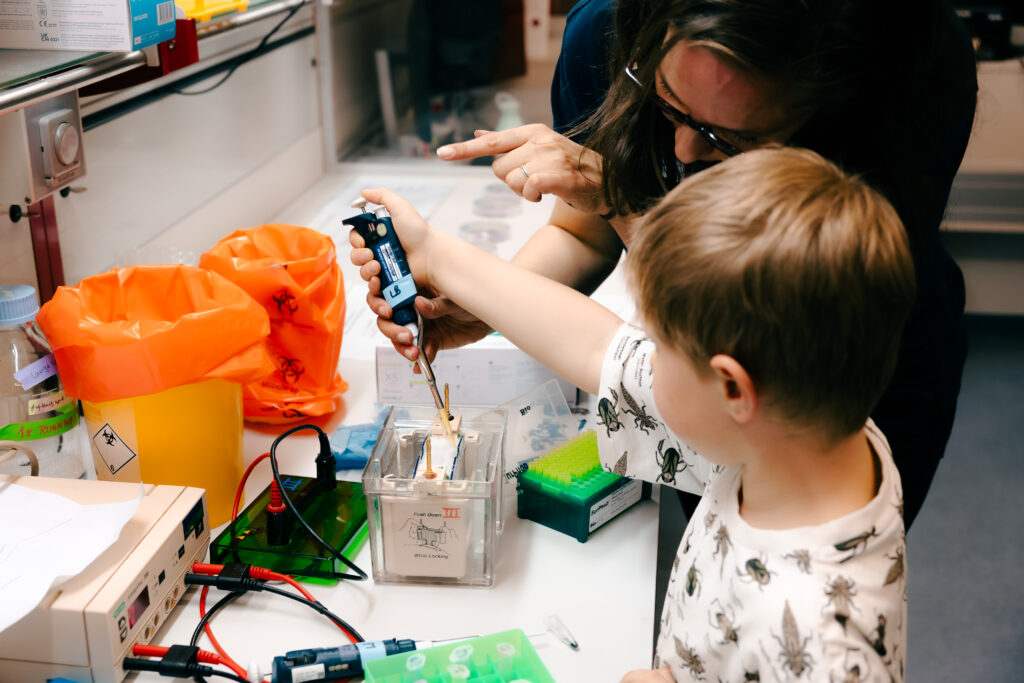
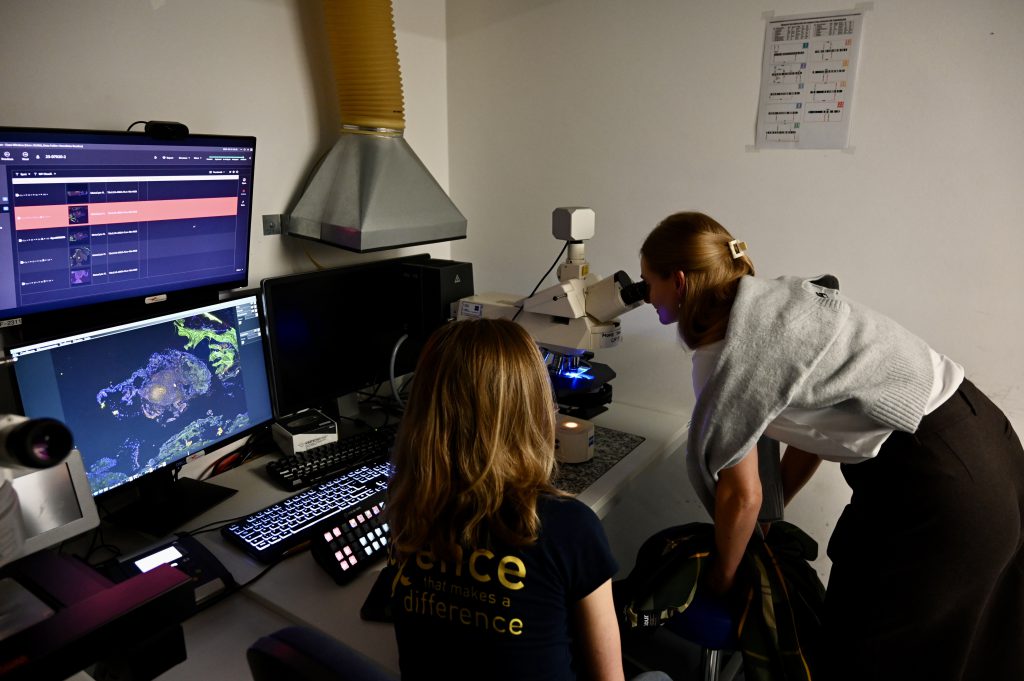
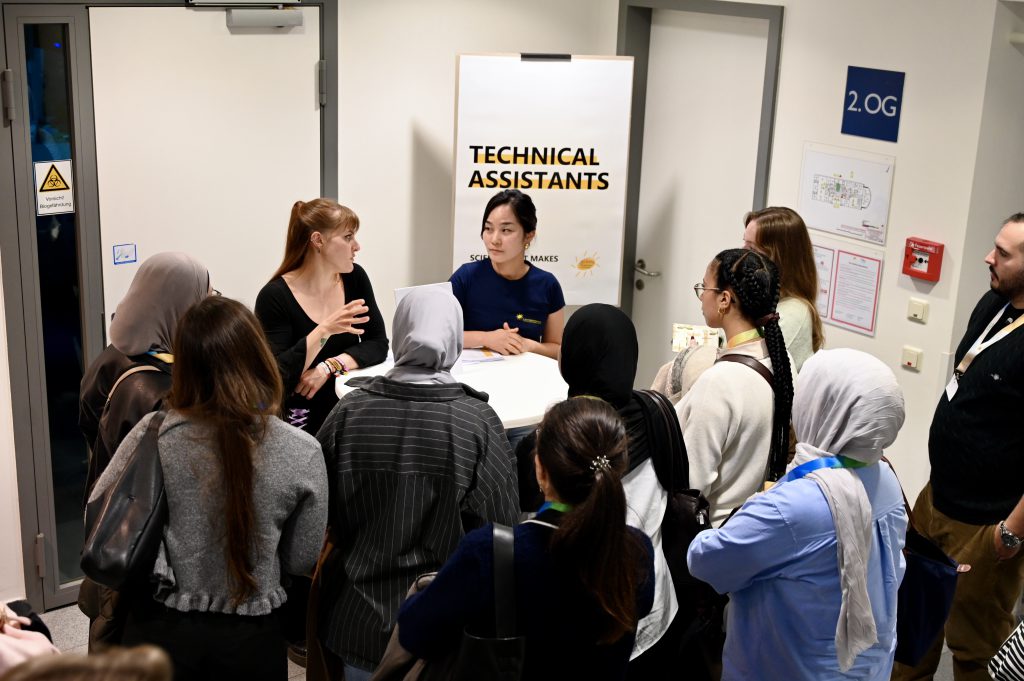
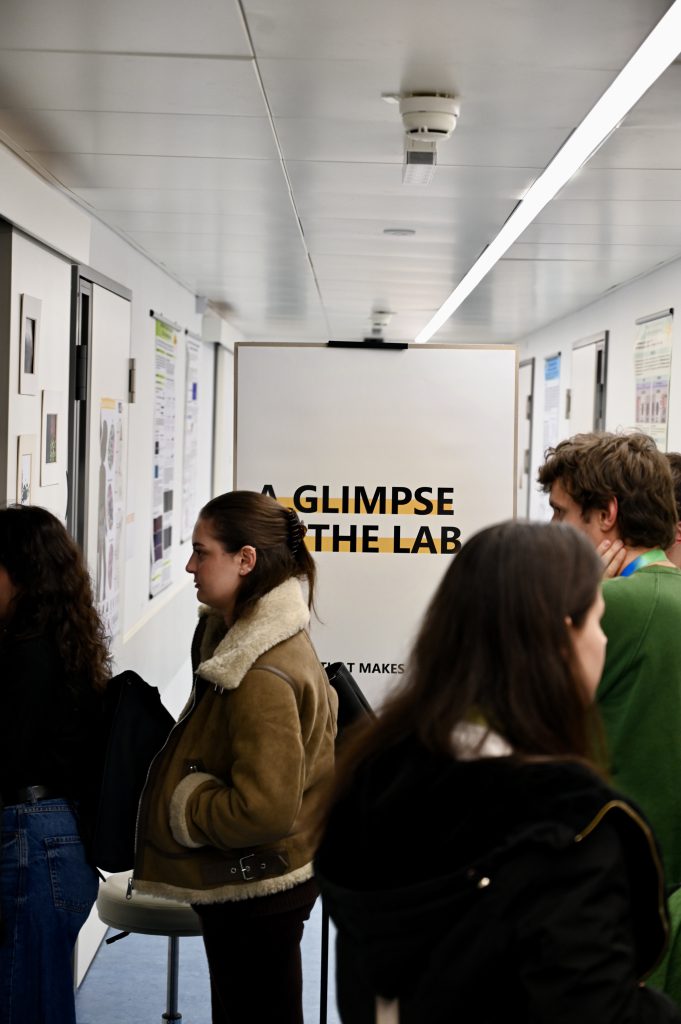
Following the panel discussion, speakers moved to standing tables distributed throughout the building, each joined by additional colleagues. This format allowed for more intimate conversations while giving attendees the opportunity to explore different areas of the institute. The visitors also had the opportunity to take a glimpse into the lab, where microscopy techniques were demonstrated to provide hands-on insights into daily research activities.

Throughout the evening, what became apparent was the collaborative spirit that defines St. Anna CCRI—whether it’s a bioinformatician helping debug code, a lab manager sourcing materials across teams, or PhD students working together on pieces of the same puzzle. The panelists’ stories proved something the audience seemed eager to hear: you don’t need to have figured everything out at eighteen. Fashion school, switching from wet lab to computational work, discovering a field you didn’t know existed—all of these paths led to meaningful careers in pediatric cancer research.

How immune cells deliver their deadly cargo

© Kalinichenko
© Kalinichenko

When immune cells strike, precision is everything. New research reveals how natural killer and T cells orchestrate the release of toxic granules – microscopic packages that destroy virus-infected or cancerous cells. The study led by researchers from CeMM, St. Anna CCRI, MedUni Vienna, Med Uni Graz, the University Hospital Bonn (UKB) and the University of Bonn, published in Science Immunology, uncovers an unexpected link between lipid metabolism and the immune system’s ability to deliver its lethal cargo, offering new insights into diseases caused by genetic defects.

Our immune system relies on specialized cells, such as natural killer (NK) cells and T cells, to find and destroy dangerous invaders like viruses or cancer cells. To do this, they release “packages” filled with powerful molecules – so-called cytotoxic granules – that kill infected or cancerous cells. Although some key molecules have been identified through immune disorders and their effects, others that might be important for this release mechanism are still unknown.

In their new study published in the renowned journal Science Immunology a team of scientists led by Kaan Boztug, Professor at the Medical University of Vienna, Principal Investigator at the St. Anna Children’s Cancer Research Institute, Adjunct Principal Investigator at the CeMM Research Center for Molecular Medicine as well asDirector of the Clinic for Pediatric Immunology and Rheumatology at UKB and member of the ImmunoSensation2 Cluster of Excellence at the University of Bonn, together with Artem Kalinichenko, Assistant Professor at Medical University of Graz and former senior Postdoc at St. Anna CCRI and CeMM as well as Jakob Huemer, former PhD student at CeMM, (both former members of the research group of Kaan Boztug), has made a discovery that changes the way we understand how our immune system fights disease.

By using a CRISPR-based genetic screening approach, the researchers identified a set of unexpected genes that play a key role for the precise release of cytotoxic granules in human NK and T cells. Surprisingly, many of these genes are connected to cellular lipid metabolism. The team discovered that specific lipids help guiding important proteins to the right place inside immune cells, including targeted release of cytotoxic granules and the delivery of their deadly packages to keep the body safe.

This breakthrough not only helps explain how immune cells work but also sheds light on diseases caused by genetic defects, such as certain rare nerve disorders and inherited immune problems. “By systematically exploring genetic pathways and combining functional genomics with mechanistic follow-up, we have uncovered a new group of genes that control how T and NK cells function and kill both virus-infected cells or tumor cells,” says co-first author Artem Kalinichenko.

The authors of the study: Kaan Boztug, Artem Kalinichenko and Jakob Huemer

“It’s fascinating to see how molecules originally known from neuronal biology and associated with lipid metabolism and modification are also key for a distinct immune defense mechanism,” adds Jakob Huemer, co-first author of the study. “Our findings open up new questions about how shared cellular pathways shape very different biological systems.”

“This work showcases the power of collaborative, curiosity-driven research,” concludes senior author Kaan Boztug. “We were able to uncover a completely unexpected connection between lipid biology and immune cell function and thereby link seemingly unrelated biological processes. These findings will further help us improve diagnosis of patients with rare immune defects, and are also relevant for future development of cancer immunotherapy approaches.”

The research was carried out in international collaboration with teams from Austria, France, Sweden, and Finland, and represents an important step forward in understanding how our bodies fight infections and cancer.

The StudyProtein palmitoylation and sphingolipid metabolism 1 control regulated 2 exocytosis in cytotoxic lymphocytes” was published in Science Immunology on October 17th 2025. DOI: 10.1126/sciimmunol.ado3825

Funding: This work was supported by European Research Council (ERC), the Vienna Science and technology Fund (WWTF), the Austrian Academy of Science (ÖAW), the Medical University of Vienna (MedUni Wien), the Federal Ministry for Digital and Economic Affairs of Austria and the National Foundation for Research, Technology and Development of Austria to the Christian Doppler Research Association.

Collaborating Institutes

St. Anna Children’s Cancer Research Institute (St. Anna Kinderkrebsforschung, St. Anna CCRI) is an international and interdisciplinary research institution dedicated to developing innovative diagnostic, prognostic, and therapeutic strategies for the treatment of children and adolescents with cancer. Taking into account the specific features of childhood tumors, dedicated research groups in tumor genomics and epigenomics, immunology, molecular and cell biology, bioinformatics, and clinical research work together to align the latest scientific findings with clinical needs and sustainably improve the well-being of young patients.

The CeMM Research Center for Molecular Medicine of the Austrian Academy of Sciences is an international, independent and interdisciplinary research institution for molecular medicine under the scientific direction of Giulio Superti-Furga. CeMM is oriented towards medical needs and integrates basic research and clinical expertise to develop innovative diagnostic and therapeutic approaches for precision medicine. Research focuses on cancer, inflammation, metabolic and immune disorders, rare diseases and aging. The Institute’s research building is located on the campus of the Medical University and the Vienna General Hospital.

The Medical University of Vienna (MedUni Vienna) is one of the longest-established medical education and research facilities in Europe. With almost 8,600 students, it is currently the largest medical training center in the German-speaking countries. With more than 6,500 employees, 30 departments and two clinical institutes, twelve medical theory centers and numerous highly specialized laboratories, it is one of Europe’s leading research establishments in the biomedical sector. MedUni Vienna also has a medical history museum, the Josephinum.

As one of Germany’s leading university hospitals, the University Hospital Bonn (UKB) combines top performance in medicine and research with excellence in teaching. Each year, more than half a million patients receive inpatient and outpatient care at the UKB. Around 3,500 students are enrolled in medicine and dentistry, and more than 600 people are trained annually in healthcare professions. With approximately 9,900 employees, the UKB is the third-largest employer in the Bonn/Rhine-Sieg region. In the Focus hospital ranking, the UKB ranks first among university hospitals in North Rhine-Westphalia and has the second-highest case-mix index nationwide. In 2024, the UKB secured nearly €100 million in third-party funding for research, development, and teaching. The F.A.Z. Institute has named the UKB “Germany’s Training Champion” and “Germany’s Most Sought-After Employer” for the fourth consecutive year. Current figures can be found in the annual report at: geschaeftsbericht.ukbonn.de

The Medical University of Graz (Med Uni Graz) is one of Austria’s leading institutions for medical education and biomedical research. With around 2,500 employees and more than 2,600 students, MedUni Graz combines cutting-edge research, innovative teaching, and patient-oriented clinical practice. The university has a particular focus on metabolism in health and disease, alongside strong research programs in cancer, cardiovascular and metabolic disorders, neuroscience, and immunology, supported by state-of-the-art core facilities and interdisciplinary research centers.

BIF Fellowship: Building Ewing Sarcoma Models from Scratch

Due to a lack of good models and an unknown cell of origin, Ewing sarcoma still poses a great puzzle in childhood cancer research. Hana Bernhardova, a PhD student in Eleni Tomazou’s group, has now received the prestigious PhD Fellowship from the Boehringer Ingelheim Fonds to tackle this problem.

Ewing sarcoma is among the most aggressive pediatric tumors, affecting bone and soft tissue. Although its genetic driver, EWSR1::FLI1, has already been identified, treatment still relies on intensive chemotherapy which is associated with severe long-term side effects. Progress has been slow because researchers still lack a crucial piece of the puzzle: the developmental and cellular origin of the disease. Understanding which cell type can give rise to Ewing sarcoma is essential to uncover its biology and develop more targeted therapies.

Fusion oncogenes: the drivers of Ewing Sarcoma

Fusion oncogenes arise when two genes fuse together in a rare but catastrophic genetic event. The resulting hybrid gene produces faulty instructions that can push a healthy cell to divide uncontrollably, initiating cancer formation. What makes these fusion oncogenes so intriguing is their specificity: each one drives only particular cancer types and can transform only certain cell types. In other words, the same fusion gene can be harmless in one cellular context but highly oncogenic in another — a clue that may hold the key to understanding Ewing sarcoma.

A “build-to-understand” strategy to model Ewing sarcoma

With her Boehringer Ingelheim Fonds (BIF) PhD Fellowship, Hana Bernhardova aims to uncover the exact cellular conditions that, together with the fusion oncogene, give rise to Ewing sarcoma. Working in Eleni Tomazou’s lab at St. Anna CCRI, she follows a “build-it-to-understand” approach, creating Ewing sarcoma models from scratch. Using human pluripotent stem cells, she can generate different potential cells of origin and test how they respond when the EWSR1::FLI1 fusion gene is introduced.

Once the susceptible cellular context is identified, Hana will trace the entire course of tumor evolution — from the first transformed cell to tumor formation and metastasis — in mouse models. This comprehensive reconstruction could expose molecular mechanisms that allow the tumor to progress and reveal new vulnerabilities for therapeutic intervention.

Filling the model gap in fusion-driven cancer research

A persistent challenge in Ewing sarcoma research has been the absence of reliable preclinical models. Without knowing the correct cell of origin, it has been impossible to mimic disease initiation and progression accurately. Bernhardova’s systematic strategy directly addresses this limitation by identifying the precise developmental context required for transformation. Her research could redefine how scientists model and understand pediatric cancers at their very beginning.

Better Therapy Selection for Childhood Leukemia

Despite decades of optimization of treatment protocols, the prognosis for acute myeloid leukemia in children (pediatric AML, pedAML) remains poor for many patients. A research team from St. Anna Children’s Cancer Research Institute (St. Anna CCRI), the CeMM Research Center for Molecular Medicine of the Austrian Academy of Sciences, the Medical University of Vienna, and St. Anna Children’s Hospital has now succeeded in developing a method for the early detection of resistance mechanisms in pediatric AML, using cutting-edge imaging, molecular methods, and computer-assisted data analysis,. The study has been published in the journal Cell Reports Medicine.

Pediatric acute myeloid leukemia (pediatric AML) is one of the most aggressive cancers in children. It arises when immature precursor cells in the bone marrow undergo genetic changes that block their normal maturation into functional blood cells. Instead, defective cells multiply uncontrollably, displacing healthy blood production and causing severe symptoms such as anemia, increased susceptibility to infections, bleeding tendency, and organ failure.

Unlike acute lymphoblastic leukemia, which occurs more frequently in children, pediatric AML is biologically more heterogeneous and in part more difficult to treat. Although survival rates have improved through advances in chemotherapy and stem cell transplantation, the prognosis for many patients remains unsatisfactory: some do not respond to standard therapies or suffer relapses. A new study published in Cell Reports Medicine now shows that functional imaging and molecular characterization can be combined into a tool that detects therapy resistance already at diagnosis.

This study is the result of particularly close collaboration among the research teams of Kaan Boztug, Michael Dworzak, and Giulio Superti-Furga—a joint effort between basic research and clinical practice that received €585,000 in funding from the Austrian Science Fund (FWF) under the Clinical Research program for the project Linking ex-vivo chemosensitivity, treatment and pathway activations for a deeper understanding of pediatric AML (ExTrAct-AML).
First author Ben Haladik, a PhD student in Kaan Boztug’s research group, together with the team further developed a platform for testing drug activity. It is based on the Pharmacoscopy method developed at CeMM for high-resolution imaging, combined with artificial intelligence and comprehensive molecular analysis. Using 45 patient samples, they demonstrated that robust predictions of therapy response and relapse risk can be derived.

Molecular Profile as a Key to Prognosis

Leukemia cells from blood or bone marrow samples are treated in the laboratory with various drugs, and then observed under the microscope to see whether they die or remain resistant. This is done on a large scale and fully automatically: using deep-learning algorithms, the effect of each drug on hundreds of thousands of cells is analyzed in parallel. Combined with genetic and epigenetic data, this yields a detailed “chemosensitivity profile.”

Vulnerable to Known Drugs

Clear differences emerged between risk groups and even among subpopulations of cells that escape standard therapy. Particularly striking was a stem-cell-like form of leukemia that proved insensitive to conventional chemotherapy but was vulnerable to new combinations of known agents such as BCL2 and MDM2 inhibitors or HDAC blockers. The results show that functional analyses of this kind can further improve therapy prognosis for pediatric AML. While mutations provide important clues, the real clinical relevance lies in how leukemia cells respond to drugs.

This is precisely where the new method comes in: it makes the functional level visible and allows a direct link between molecular profile and actual therapy response.

From Research to the Clinic

This form of functional precision medicine has the potential to fundamentally change the treatment of pediatric AML. It complements genetic diagnostics and the detection of minimal residual disease—currently the most important tools for risk assessment—by adding a dimension that directly depicts drug response. This brings the possibility closer of identifying high-risk patients already at diagnosis and offering them targeted new therapies.

First author Ben Haladik explains the methodology: “We have created a connection between molecular biological analyses, bioinformatics methods, and artificial intelligence that should provide a basis for further research toward better treatment options.”

Senior and corresponding author Kaan Boztug sees the study as a societal mission for the future: “Our study is the first to show that such ex-vivo drug tests can help us identify, at an early stage, patients whose leukemia cells are particularly resistant to standard therapy. Especially for these patients, we can then use the method to find targeted therapy options for pediatric AML. With our study we also position ourselves in a previously little-noticed field—the application of AI in childhood cancer research—as a significant player in European pediatric cancer research.”

A Milestone

“At CeMM we developed Pharmacoscopy, an imaging-based approach for functional single-cell precision medicine—a technology that enables true personalized medicine in cancer treatment. In the present study, this technology was further developed and successfully tested for the first time in the clinical diagnosis of pediatric AML. This is an important milestone toward implementing such methods on a larger scale for the benefit of pediatric patients,” says Giulio Superti-Furga, co-senior author of the study.

“The results of our study open up a completely new approach to treating pediatric AML. By detecting resistance at the time of diagnosis, we lay the foundation for using therapies in a much more targeted and individualized way in the future. This means we can identify high-risk patients early and offer them more precise treatment strategies—an essential step toward sustainably better chances of cure,” adds Michael Dworzak, head of the “Immunodiagnostics” research group at St. Anna CCRI and deputy medical director at St. Anna Children’s Hospital. The results presented are based on a retrospective cohort. The next step will be prospective clinical studies in which the method will be applied in real time and compared with actual disease progression.

Publication

Haladik B, Maurer-Granofszky M, Zoescher P, Jimenez-Heredia R, Frohne A, Segarra-Roca A, Casey C, Kartnig F, Giuliani S, Rashkova C, Repiscak P, Dworzak MN, Superti-Furga G, Boztug K. Image-based drug screening combined with molecular profiling identifies signatures and drivers of therapy resistance in pediatric AML. Cell Rep Med. 2025 Aug 19:102304. doi: 10.1016/j.xcrm.2025.102304