St. Anna CCRI Symposium 2026: Bridging Developmental Biology and Childhood Cancer Research
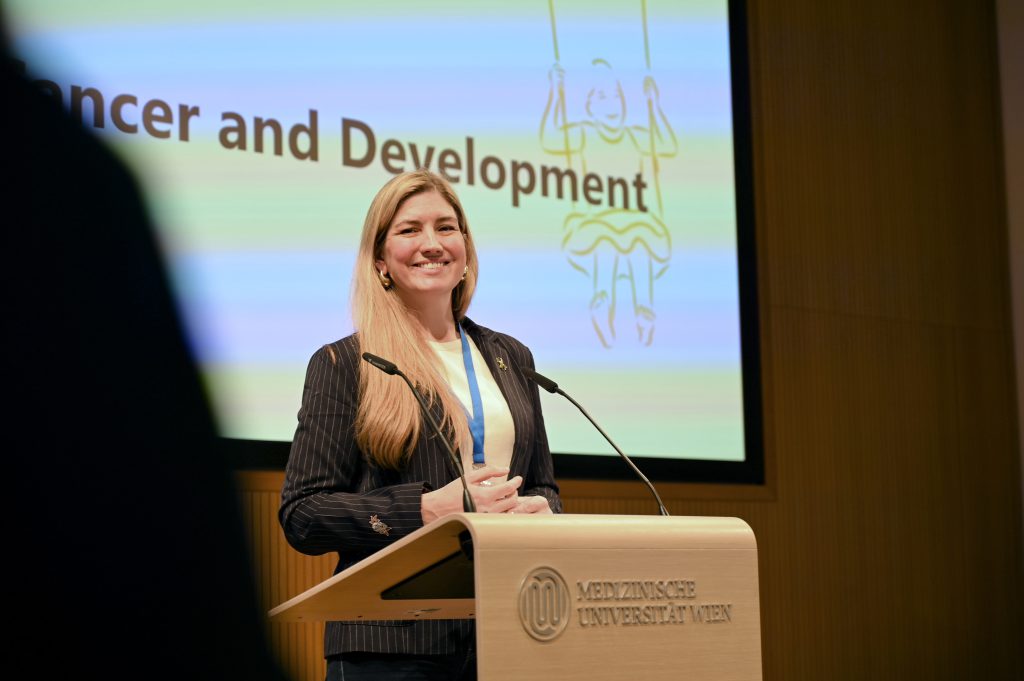
Last Friday, we hosted the second edition of the St. Anna CCRI Symposium. Organized by Principal Investigators Davide Seruggia, Polina Kameneva, and Florian Halbritter, this year’s symposium focused on Cell Fate in Cancer and Development.
Childhood cancer often stems from developmental errors that cause cells to get stuck when deciding their fate. For this reason, understanding how cell fate is established during development and what can go wrong in this process is essential to studying how childhood cancer first appears.
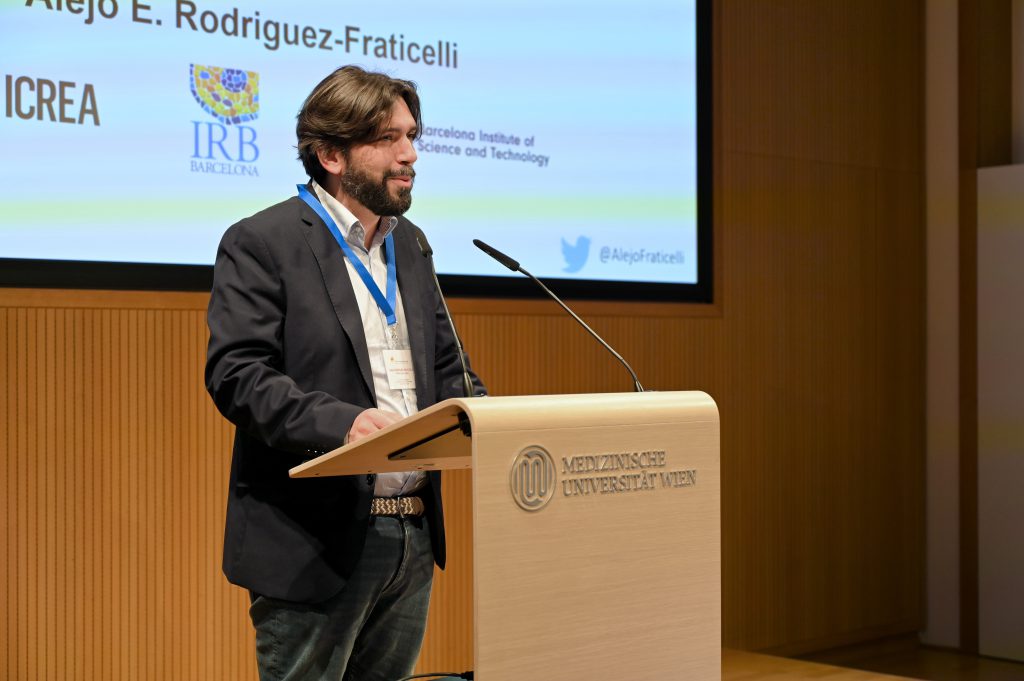
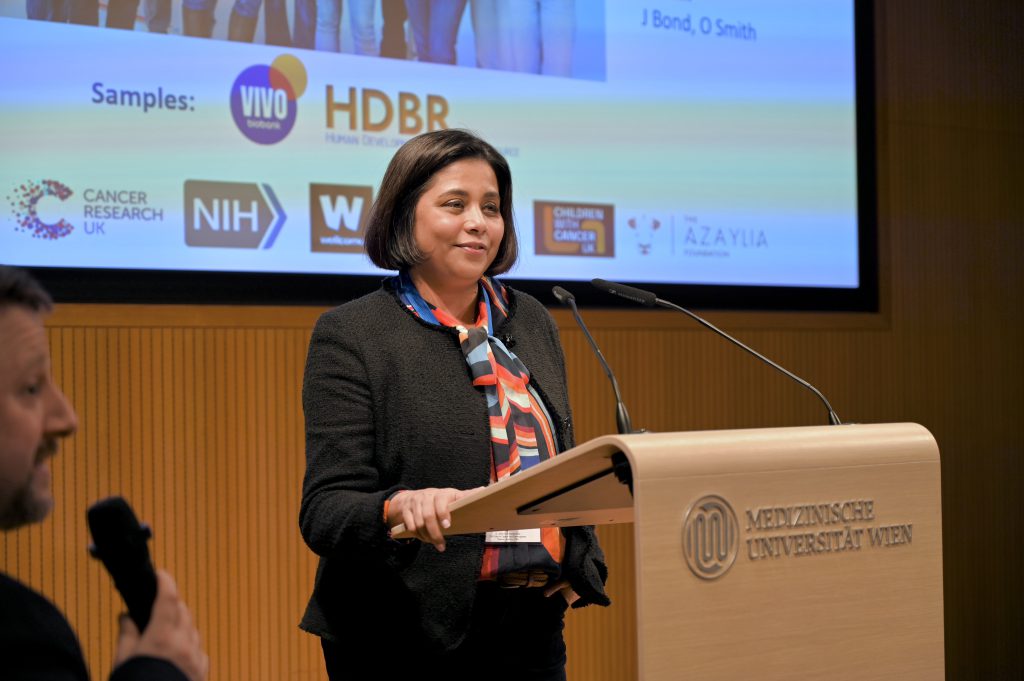
With a mixed program featuring talks from developmental biologists James Briscoe (The Francis Crick Institute) and Emma Andersson (Karolinska Institutet), and pediatric oncology researchers Alejo Rodriguez-Fraticelli (Institute for Research in Biomedicine Barcelona) and Anindita Roy (University of Oxford), the event aimed to bridge the gap between the two research fields and foster new collaborations.
“Bringing these world-leading experts to Vienna is a great opportunity to get their invaluable feedback on our research,” explained Davide Seruggia. “Collaborations started already from the first conversation, because we invited people we’d really like to work with”.
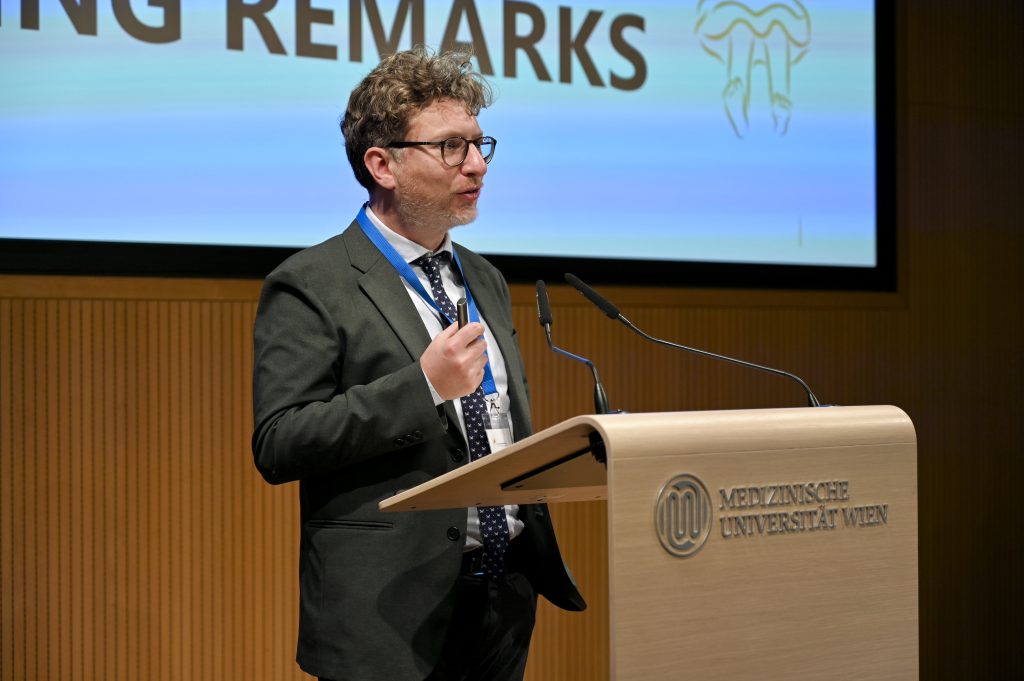
To complement these talks and connect them with the research and mission of the St. Anna CCRI, Scientific Co-Director Eleni Tomazou and Principal Investigator Florian Halbritter presented their latest research on pediatric cancer.
By bridging developmental biology and pediatric cancer research, the symposium aims to foster new collaborations that can impact pediatric cancer treatment. As Speaker Alejandro Rodriguez-Fraticelli puts it: “By building better models and tools to study the cellular origins of childhood cancer, we can leverage what we learn to treat it better.”
Connecting the Viennese scientific community
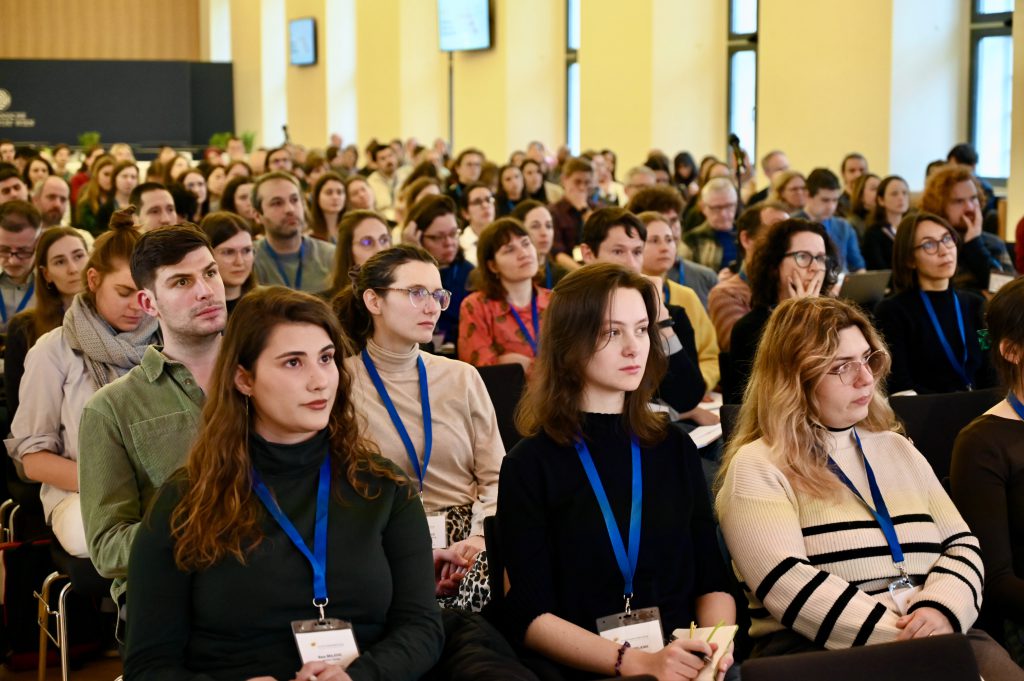
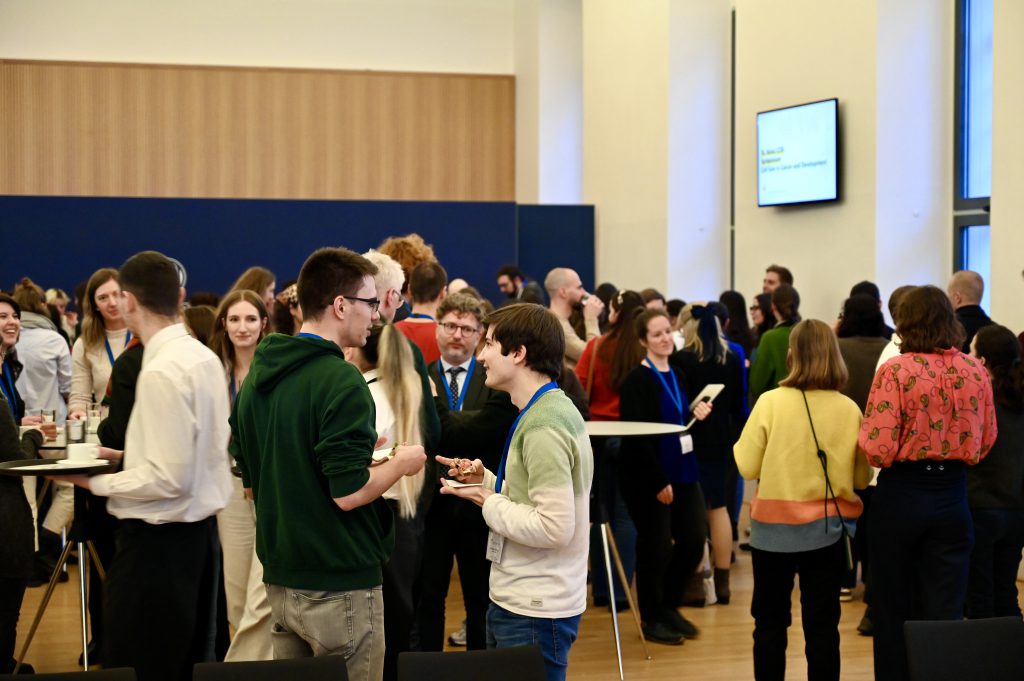
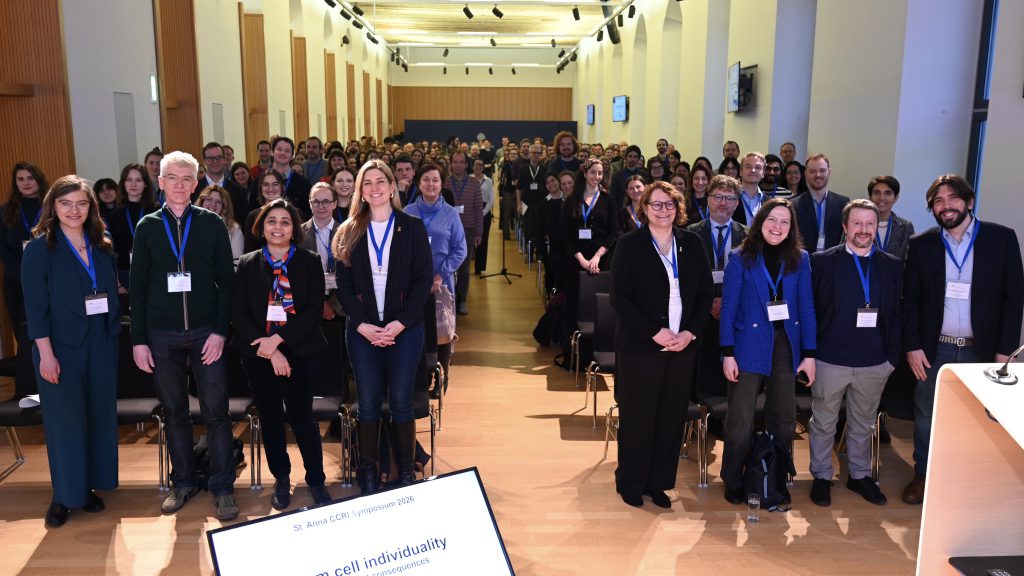
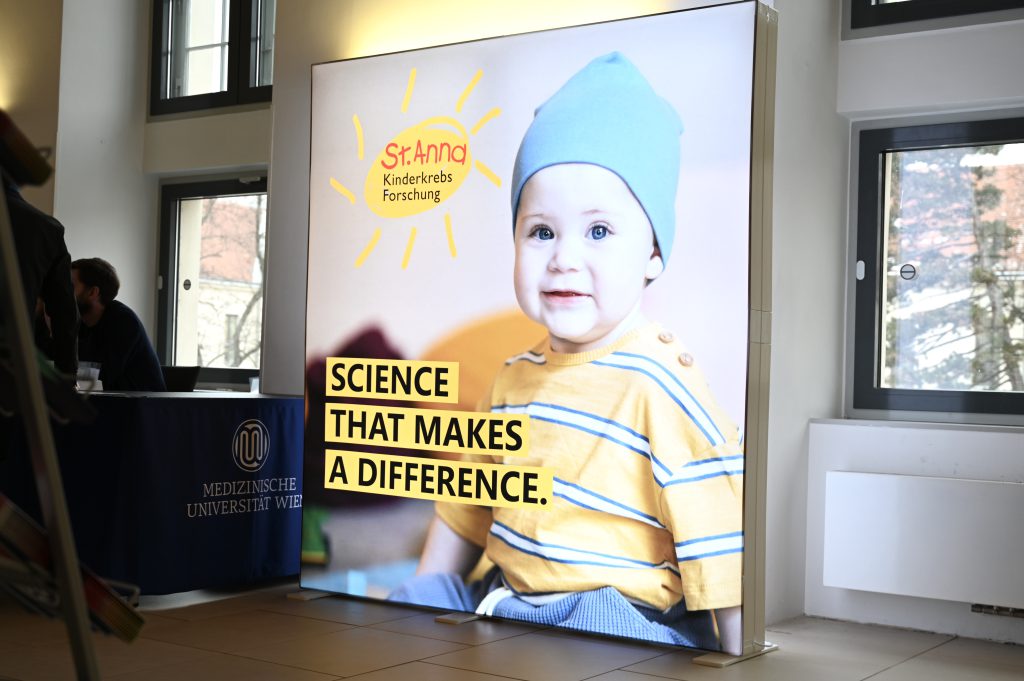
The event was attended by around 200 researchers from St. Anna CCRI and other Viennese research institutions, including the Research Center for Molecular Medicine, the Institute for Molecular Biotechnology and the Medical University of Vienna.
“It’s great to see all these talented scientists being interested in our symposium,” commented Polina Kameneva. “It’s a fantastic opportunity to discuss ideas and come up with new collaborative research projects”.