Childhood Cancer Awareness Month: the fight against childhood cancer in the global spotlight in September
New therapies, international research and the direct path from the laboratory to the hospital bed offer hope for children with cancer.
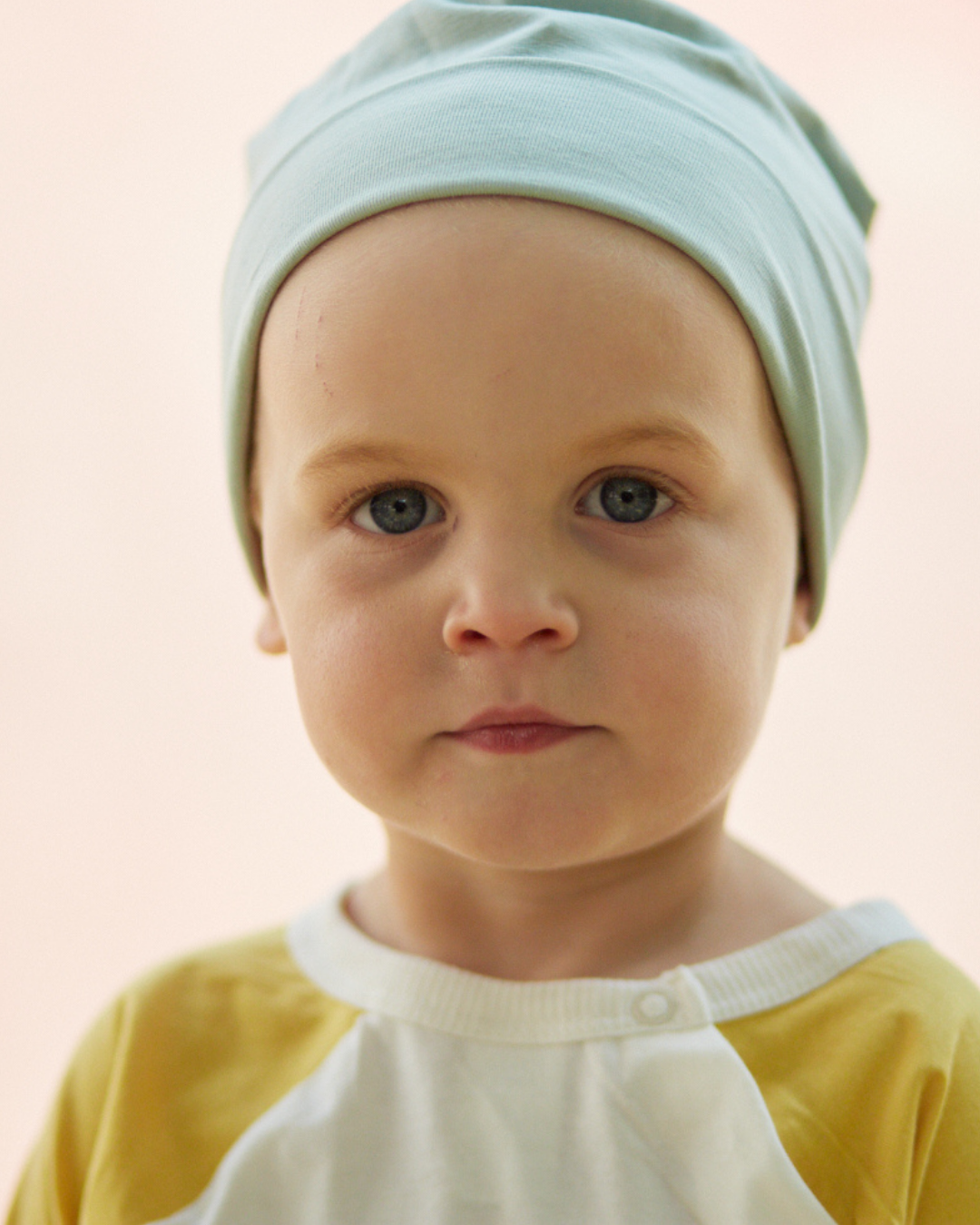
(Vienna, September 2026). Every year, around 35,000 children and adolescents across Europe are diagnosed with cancer, approximately 300 to 350 of them in Austria. Behind every diagnosis is a family whose life changes fundamentally from one day to the next. Childhood Cancer Awareness Month in September draws global attention to the particular challenges of childhood cancer and underscores the central message: research, collaboration, and innovative therapies are crucial.
Research as a source of hope
September serves as a reminder of why childhood cancer research remains indispensable: More children are surviving than ever before. The focus now is on preventing relapses, making therapies more targeted, and reducing long-term effects. This is the core of current research.
Thanks to decades of research, more than 80 percent of affected children in some countries can now be cured long-term. At the same time, science and medicine face new challenges. Therapies must not only be effective but also gentle, relapses must be detected early, and particularly aggressive tumors must be treated with precision. This is precisely where modern childhood cancer research and treatment come into play.
The International Childhood Cancer Awareness Month originated in the 1990s at the initiative of affected families and is now participated worldwide by research institutions, hospitals, patient organizations, and international organizations to raise awareness of childhood cancer and promote the development of new diagnostic and treatment options.
“Children are not just small adults – this is especially true in cancer medicine. Childhood tumors have their own biology and therefore require diagnostics and therapies specifically tailored to children and adolescents. For us at the hospital, close collaboration with research is therefore crucial: Only by gaining a deeper understanding of the specific characteristics of these diseases can we further develop more targeted treatments and simultaneously reduce the burden and potential long-term consequences for our young patients,” says Prof. Dr. Caroline Hutter, Head of Institute at the St. Anna Childhood Cancer Research Institute (St. Anna CCRI) and Medical Director of St. Anna Children’s Hospital.
Research as a bridge between the bench and the bedside
Modern pediatric cancer research pursues a clear goal: to rapidly translate laboratory findings into new diagnostic procedures and treatments for patients. This translational approach closely links basic research, molecular diagnostics, and clinical application.
At St. Anna CCRI, scientists from a wide range of disciplines work together to better understand the biological causes of childhood tumors, detect relapses earlier, and develop new targeted therapies. Close collaboration with St. Anna Children’s Hospital enables scientific findings to be directly incorporated into clinical practice.
“Pediatric cancer research begins with the question of why a tumor develops, how it evolves, and why some patients respond to therapy while others do not. The better we understand the biological mechanisms of childhood tumors, the more precisely we can develop new diagnostic and therapeutic approaches. Our goal is to translate these laboratory findings into clinical application as quickly as possible, thereby sustainably improving the treatment of children with cancer,” says Dr. Sabine Taschner-Mandl, Scientific Director of St. Anna Children’s Cancer Research.
Rare diseases require close collaboration
Many childhood cancers are among the rarest diseases in the world. For some tumor types, there are often only a few hundred new cases worldwide each year. International research networks and collaboration with pediatric oncology clinics are therefore essential for gaining sufficient knowledge and developing new therapies.
“When researchers worldwide share data, technologies, and new knowledge, we can develop new therapies for rare tumor types and further improve the chances of recovery. At our research institute, we conduct clinical trials in which research data from thousands of children with cancer from across Europe are compiled and analyzed to gain new insights for developing better treatment options,” adds Assistant Professor Dr. Eleni Tomazou, Scientific Director of St. Anna CCRI.
September as the start of a research series
As part of Childhood Cancer Awareness Month, St. Anna CCRI would like to offer insights into current research projects. The focus will be on innovative models of tumor development, new methods for the early detection of relapses, modern genome research, and approaches in precision medicine that have the potential to fundamentally change the treatment of children with cancer.
Every scientific discovery brings us one step closer to our shared goal: No child should die from cancer or suffer the consequences of their treatment. This is precisely what Childhood Cancer Awareness Month is all about: supporting research that contributes to a better understanding of childhood cancer, more targeted treatments, and further improvements in the chances of recovery.
About St. Anna Children’s Cancer Research Institute
St. Anna Children’s Cancer Research Institute (CCRI) is an international and interdisciplinary research institution dedicated to developing and improving diagnostic, prognostic, and therapeutic strategies for the treatment of children and adolescents with cancer through innovative research. Taking into account the specific characteristics of childhood tumors, dedicated research groups in tumor genomics and epigenomics, immunology, molecular biology, cell biology, bioinformatics, and clinical research work together to align the latest scientific and experimental findings with the clinical needs of physicians and sustainably improve the well-being of young patients.
www.ccri.at www.kinderkrebsforschung.at
About St. Anna Children’s Hospital
St. Anna Children’s Hospital is one of Austria’s leading centers, particularly in the treatment of childhood blood disorders and tumors. Together with the Department of Hemostaseology at the University Clinic for Pediatrics and Adolescent Medicine in Vienna, St. Anna Children’s Hospital is also the only center of expertise for pediatric non-malignant hematology and hemostaseology in Austria.