Emerging Field Grant supports childhood cancer research
As part of the excellent=austria initiative, the Austrian Science Fund (FWF) is promoting innovative research collaborations in Austria through its Emerging Fields programme. Over the next five years, selected consortia will work to develop new, highly innovative research fields. Following a competitive international review process focusing on scientific excellence and innovation, researchers from St. Anna CCRI are part of the one of the funded consortia.
In Simple Terms
– Ribosomes are the molecular machines that produce proteins in a cell, a process that can be regulated.
– The researchers aim to uncover a hidden “ribosome code” that shapes how ribosomes work in pediatric cancers.
– Understanding how ribosomes behave differently in cancer cells could open new therapeutic possibilities.
Emerging Field “Translating the Ribosome Code of Pediatric Cancers”
Despite major advances in cancer treatment, many children with cancer still face limited treatment options, severe side effects, or therapy resistance. We urgently need new therapies to treat pediatric cancers. This project explores an overlooked layer of gene regulation: how cells control the production of proteins from RNA. This process is carried out by molecular machines called ribosomes, long thought to be simple factories but now recognized as powerful regulators of protein synthesis that shape how cells behave in health and disease. By studying how ribosomes function in pediatric cancers, the consortium aims to uncover a hidden “ribosome code” that cancer cells use to grow and evade treatment. Decoding this system could transform our understanding of protein production and open new paths toward safer and more effective therapies for children with cancer. The participants in the Emerging Fields Consortium are Sebastian Falk from the Medical University of Vienna, Marco Hein from Max Perutz Labs at the Medical University of Vienna, Florian Grebien from the University of Veterinary Medicine Vienna, and Eleni Tomazou and Davide Seruggia from St. Anna Children’s Cancer Research Institute (St Anna CCRI).
“This grant is a wonderful recognition of the power of collaboration in pediatric cancer research. At St. Anna CCRI, our mission is to translate cutting-edge discoveries into better outcomes for children with cancer. We continuously pursue innovative ideas that open new opportunities for more effective and targeted therapies. Being part of this interdisciplinary effort to explore the ribosome code in pediatric cancers together with outstanding partners across Vienna marks an important step toward better understanding and treating cancers affecting children and adolescents,” adds Eleni Tomazou, Scientific Director of St. Anna CCRI.
“We are only beginning to understand the role that ribosomes may play in paediatric cancers. If we can decode how this system is altered in tumor cells, it could open up entirely new avenues for cancer research and ultimately help us to develop more effective treatments for children with cancer.” says Davide Seruggia, Principal Investigator at St. Anna CCRI.
Supporting ground-breaking science
The research project is supported by the Emerging Fields program, part of the Austrian Science Funds’ excellent=austria initiative, which promotes innovative research collaborations in Austria. “As Minister of Science, it is of paramount importance to me that cutting-edge research always opens up new avenues of thought. With the funding of Emerging Fields, we aim to achieve precisely that: We want to enable highly innovative, pioneering scientific work that transcends disciplinary boundaries. These research projects not only generate new questions but are also encouraged to take on a particular risk. It is especially gratifying that women are leading half of this year’s Emerging Fields consortia as coordinators. This is an important sign for gender equality in research!” said Eva-Maria Holzleitner, Federal Minister for Women, Science and Research.
“Major scientific breakthroughs often begin with an idea that no one has pursued before. With Emerging Fields, we are creating the necessary space for precisely this. Excellent researchers can collaborate at multiple locations to pursue bold approaches – from new strategies in the fight against cancer and research into plastic dust in the air to self-determination in art. In this way, we are creating the conditions for particularly innovative ideas to be realized, ideas that will benefit society in the long term,” addedFWF President Christof Gattringer.
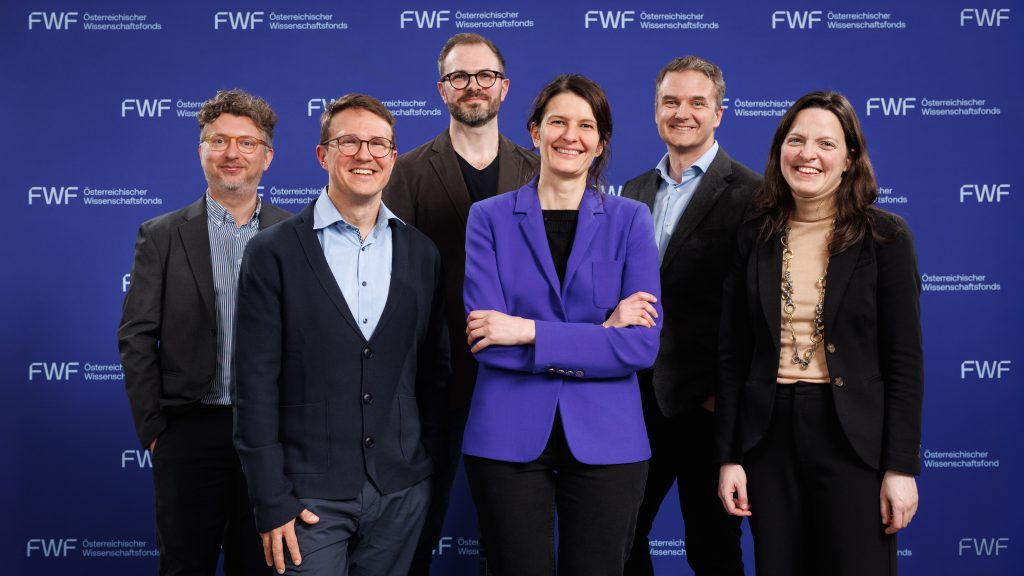
Consortium members and research centers
Davide Seruggia (St. Anna CCRI)
Sebastian Falk (University Vienna)
Marco Hein (Max Perutz Labs, MedUni Vienna)
Gülsün Elif Karagöz (Koordination, Max Perutz Labs, MedUni Vienna)
Florian Grebien (University of Veterinary Medicine, Vienna, St Anna CCRI)
Eleni Tomazou (St. Anna CCRI)